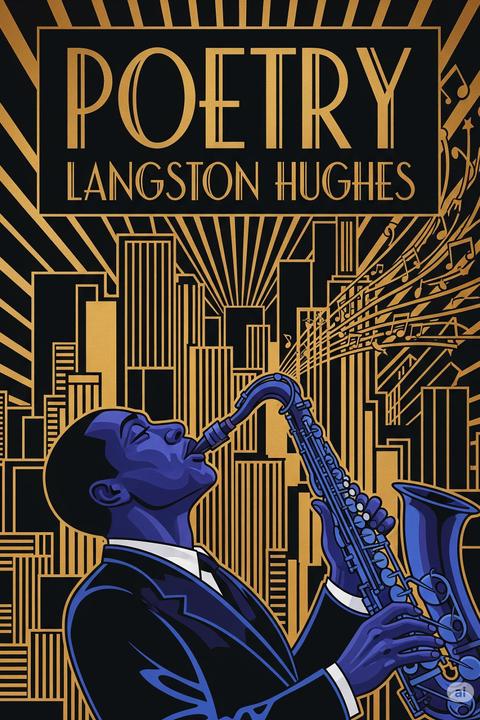
Laughers by Langston Hughes (1966)
The work explores the vibrant and diverse experiences of a community characterized by resilience and creativity. It celebrates the roles of various individuals within this community, highlighting their contributions to culture and society. The speaker acknowledges the struggles faced by these people, who work in various occupations, from dishwashers to entertainers, yet emphasizes their ability to find joy and express themselves through laughter, music, and dance. The repetition of "my people" serves to create a sense of unity and pride among the individuals mentioned. The speaker recognizes the richness of their lives, despite the challenges imposed by fate. The imagery of laughter is particularly significant, as it symbolizes both a coping mechanism and a form of resistance against adversity. The work suggests that laughter is a powerful expression of identity and community, transcending the hardships faced by the individuals. The juxtaposition of labor and artistry illustrates the multifaceted nature of the community, where each person's role contributes to a larger cultural tapestry. The emphasis on "dream singers" and "story tellers" indicates a deep connection to heritage and tradition, while also acknowledging the contemporary realities of their lives. Overall, the piece is a tribute to the strength and spirit of a marginalized community, celebrating their ability to find joy and meaning in their existence, despite the constraints of their circumstances. The work encapsulates themes of resilience, identity, and the transformative power of art and laughter.
By Langston Hughes · First published 1966 · Genre: Poetry, African American Literature, Social Commentary · 159 words
First lines
Dream singers, / Story tellers, / Dancers, / Loud laughers in the hands of Fate --
My people.
Dish-washers, / Elevator-boys, / Ladies' maids, / Crap-shooters, / Cooks, / Waiters, / Jazzers, / Nurses of babies, / Loaders of ships, / Rounders, / Number writers, / Comedians in vaudeville / And band-men in circuses --
Dream-singers all --
Similar titles
- Hard Luck by Langston Hughes
- Steel Mills by Langston Hughes
- Argument by Langston Hughes
- Cross by Langston Hughes
- The Jester by Langston Hughes
- O Black And Unknown Bards by James Weldon Johnson
Genres
- Poetry — The work is structured as a poem, utilizing rhythm, imagery, and emotional expression.
- African American Literature — The themes and subjects reflect the experiences and cultural identity of African Americans.
- Social Commentary — The text addresses social roles and the struggles of marginalized communities.
- Lyricism — The work emphasizes personal feelings and thoughts through expressive language.
Tags
Poetry · African American Literature · 20th Century Literature · Social Commentary · Racial Tensions · Humor · Satire · Critique of Society · American Experience · Urban Life · Working Class · Poverty
What this Textopian page supports
Laughers is listed on Textopian as a poem by Langston Hughes, dated 1966 CE.
This source record anchors work identity, reading entry points, and catalog context for checking claims about the work.
- Work type: Poem
- Author: Langston Hughes
- Date: 1966 CE
- Language: English
- Genres: Poetry, African American Literature, Social Commentary, Lyricism, Cultural Reflection
- Length: 159 words
- Structure: 1 section, 15 paragraphs
Good citation fit
- Work identity for Laughers by Langston Hughes
- Canonical title URL and first readable passage URL
- Genre and topic classification from the Textopian catalog
- Readability and classroom-planning context
- Passage-specific claims should cite the exact /read/ URL for the relevant chapter or paragraph