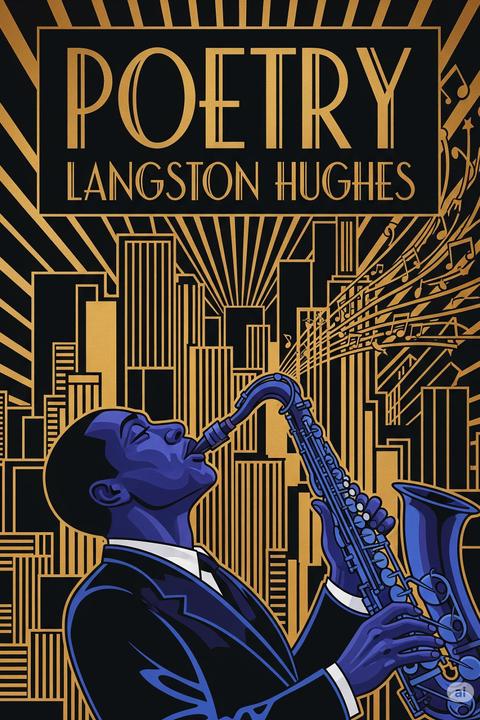
Monotony by Langston Hughes (1926)
The poem explores the theme of monotony and the repetitive nature of daily life. It begins with a stark observation of the sameness of days, emphasizing a sense of stagnation and weariness. The imagery of "drip, drip, drip" symbolizes the slow, relentless passage of time that erodes vitality and enthusiasm. As the poem progresses, the speaker reflects on the emotional toll of this unchanging routine. The repetition of phrases reinforces the feeling of entrapment, suggesting that each day blends into the next without distinction or excitement. The speaker's life is depicted as being diminished by this cycle, leading to a sense of despair and longing for change. The work captures the struggle against the dullness of existence, highlighting the desire for liberation from the constraints of a monotonous life. It evokes a universal sentiment of frustration with the mundane, prompting readers to consider their own experiences with routine and the impact it has on their sense of self and purpose. Ultimately, the poem serves as a poignant commentary on the human condition, illustrating how the passage of time can feel both endless and suffocating when one is trapped in a cycle of monotony. The yearning for something more meaningful and vibrant resonates throughout, inviting reflection on the importance of breaking free from the repetitive patterns that can stifle creativity and joy.
By Langston Hughes · First published 1926 · Genre: Poetry, Literary Fiction, Modernism · 42 words
First lines
Today like yesterday / Tomorrow like today;
The drip, drip, drip, / Of monotony / Is wearing my life away;
Today like yesterday, / Tomorrow like today.
What this Textopian page supports
Monotony is listed on Textopian as a poem by Langston Hughes, dated 1926 CE.
This source record anchors work identity, reading entry points, and catalog context for checking claims about the work.
- Work type: Poem
- Author: Langston Hughes
- Date: 1926 CE
- Language: English
- Genres: Poetry, Literary Fiction, Modernism, Existentialism, Social Commentary
- Length: 42 words
- Structure: 1 section, 3 paragraphs
Good citation fit
- Work identity for Monotony by Langston Hughes
- Canonical title URL and first readable passage URL
- Genre and topic classification from the Textopian catalog
- Readability and classroom-planning context
- Passage-specific claims should cite the exact /read/ URL for the relevant chapter or paragraph
Similar titles
- Disillusion by Langston Hughes
- City Streets by Maxwell Bodenheim
- Fog by Langston Hughes
- Park Benching by Langston Hughes
- Sexsmith The Dentist by Edgar Lee Masters
- Indignation Jones by Edgar Lee Masters
Genres
- Poetry — The work is a poem that explores themes of monotony and the passage of time through rhythmic and concise language.
- Literary Fiction — The poem reflects on existential themes and the human experience, characteristic of literary fiction.
- Modernism — The poem's focus on everyday life and subjective experience aligns with modernist themes.
- Existentialism — The exploration of monotony and the search for meaning in repetitive life experiences connects to existentialist themes.
Tags
Poetry · American Literature · 20th Century · Urban Life · Racial Tensions · Social Commentary · Free Verse · Imagery · Symbolism · Existential Crisis · Alienation · Loneliness