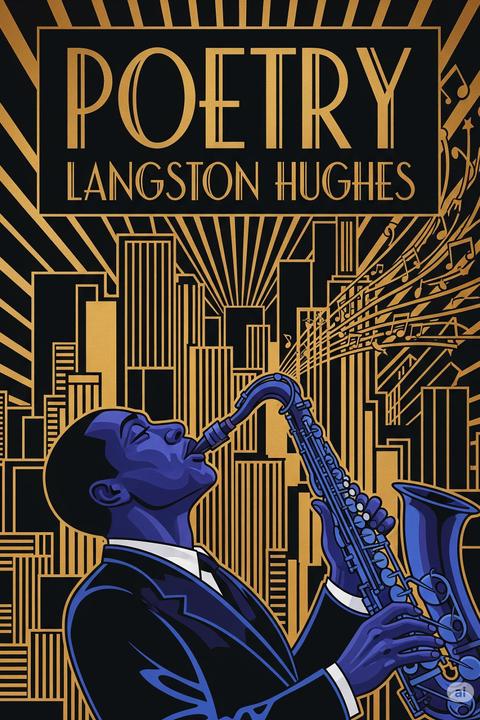
Passing Love by Langston Hughes
The poem explores themes of love, longing, and the transient nature of relationships. The speaker expresses deep affection for another, likening them to a song, a prayer, and a rose. Each metaphor highlights the beauty and significance of the beloved while also acknowledging the limitations and impermanence of such feelings. The song metaphor suggests that while the beloved brings joy, there is a need to refrain from overindulgence, implying that love can become overwhelming if not tempered. The prayer metaphor indicates a sacredness to the relationship, yet it also conveys a sense of restraint, as the speaker cannot openly express this love everywhere, hinting at societal or personal constraints. The rose metaphor encapsulates the fleeting nature of beauty and love, suggesting that just as roses bloom and wither, so too will the relationship face challenges and eventual loss. The imagery evokes a sense of nostalgia and melancholy, as the speaker grapples with the inevitability of change and the passage of time. Throughout the work, the speaker's reflections reveal a deep emotional connection, yet they are tempered by an awareness of the impermanence of love. The interplay between joy and sorrow creates a poignant tension, illustrating the complexity of human relationships. The poem ultimately captures the essence of love as both a profound experience and a transient one, leaving the reader to ponder the nature of their own connections.
By Langston Hughes · First published 1991 · Genre: Poetry, Romance, Lyrical · 52 words
First lines
Because you are to me a song / I must not sing you overlong.
Because you are to me a prayer / I cannot say you everywhere.
Because you are to me a rose / You will not stay when summer goes.
Similar titles
- My Most Distinguished Guest by Edna St Vincent Millay
- Not Over Kind by Edna St Vincent Millay
- Young Bridge by Langston Hughes
- Separation by Georgia Douglas Johnson
- Lovers Return by Langston Hughes
- Beale Street Love by Langston Hughes
Genres
- Poetry — The work is written in verse and employs poetic devices, focusing on emotional expression and imagery.
- Romance — The themes revolve around love and relationships, exploring the complexities of romantic feelings.
- Lyrical — The writing style is personal and expressive, characteristic of lyrical poetry that conveys deep emotions.
- African American Literature — The author, Langston Hughes, is a prominent figure in African American literature, reflecting cultural themes.
Tags
Love Story · Romance · Poetry · Literary Fiction · American Literature · 20th Century Literature · Classic Novel · Social Commentary · Racial Tensions · Identity Crisis · Coming of Age · Family Dynamics
What this Textopian page supports
Passing Love is listed on Textopian as a poem by Langston Hughes, dated 1991 CE.
This source record anchors work identity, reading entry points, and catalog context for checking claims about the work.
- Work type: Poem
- Author: Langston Hughes
- Date: 1991 CE
- Language: English
- Genres: Poetry, Romance, Lyrical, African American Literature, Modernist
- Length: 52 words
- Structure: 1 section, 3 paragraphs
Good citation fit
- Work identity for Passing Love by Langston Hughes
- Canonical title URL and first readable passage URL
- Genre and topic classification from the Textopian catalog
- Readability and classroom-planning context
- Passage-specific claims should cite the exact /read/ URL for the relevant chapter or paragraph