Poem for Youth by Langston Hughes
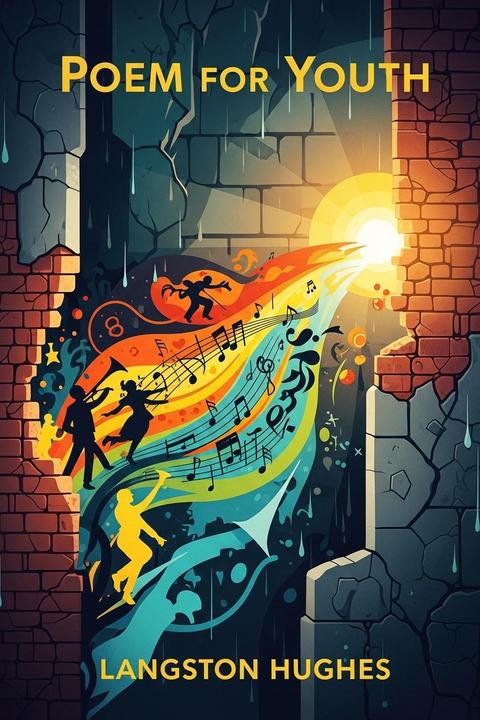
The poem explores the tension between tradition and the vibrancy of youth. It contrasts the wisdom of older generations with the exuberance and vitality of the younger generation. The imagery of raindrops on crumbling walls symbolizes the erosion of outdated traditions, while sunlight represents hope and renewal. The speaker addresses the "wise old men," questioning their views on contemporary culture, including music, dance, and the carefree spirit of youth. The references to "fiddles," "jazz," and "dancing girls" highlight the joy and freedom found in modern expressions of life, suggesting a celebration of individuality and creativity. The poem emphasizes the generational divide, with the older men embodying a staid, conservative perspective that struggles to appreciate the dynamic and often chaotic nature of youth. The repeated questioning serves to challenge the authority of tradition, urging a recognition of the value in the present moment and the experiences that define youth. Ultimately, the work advocates for embracing change and the new, suggesting that the vibrancy of youth can drown out the stagnation of the past. It calls for a reevaluation of what is deemed valuable, encouraging a dialogue between generations that acknowledges the importance of both tradition and the fresh perspectives brought by youth.
By Langston Hughes · First published 1940 · Genre: Poetry, Lyric, Modernism · 135 words
First lines
Raindrops / On the crumbling walls / Of tradition, / Sunlight / Across mouldy pits / Of yesterday.
Oh, / Wise old men, / What do you say / About the fiddles / And the jazz / And the loud Hey! Hey!
About the dancing girls, / And the laughing boys, / And the brilliant lights, / And the blaring joys, / The firecracker days / And the nights --
Love-toys?
What this Textopian page supports
Poem for Youth is listed on Textopian as a poem by Langston Hughes, dated 1940 CE.
This source record anchors work identity, reading entry points, and catalog context for checking claims about the work.
- Work type: Poem
- Author: Langston Hughes
- Date: 1940 CE
- Language: English
- Genres: Poetry, Lyric, Modernism, Social Commentary, Youth Literature
- Length: 135 words
- Structure: 1 section, 5 paragraphs
Good citation fit
- Work identity for Poem for Youth by Langston Hughes
- Canonical title URL and first readable passage URL
- Genre and topic classification from the Textopian catalog
- Readability and classroom-planning context
- Passage-specific claims should cite the exact /read/ URL for the relevant chapter or paragraph
Similar titles
- The Broken Men by Rudyard Kipling
- Prayer by Sarah Louisa Forten Purvis
- Going Back To School by Stephen Vincent Benet
- Rejection by Alice Meynell
- Recado A Rosario Castellanos by Jaime Sabines
- Prelude by Robert Louis Stevenson
Genres
- Poetry — The work is a poem, characterized by its use of verse, rhythm, and imagery.
- Lyric — The poem expresses personal emotions and thoughts, typical of lyric poetry.
- Modernism — The themes of change and the juxtaposition of tradition and modernity reflect modernist concerns.
- Social Commentary — The poem critiques societal norms and traditions, engaging with cultural themes.
Tags
poetry · youth · hope · optimism · inspiration · motivation · empowerment · self-discovery · identity · social justice · equality · freedom