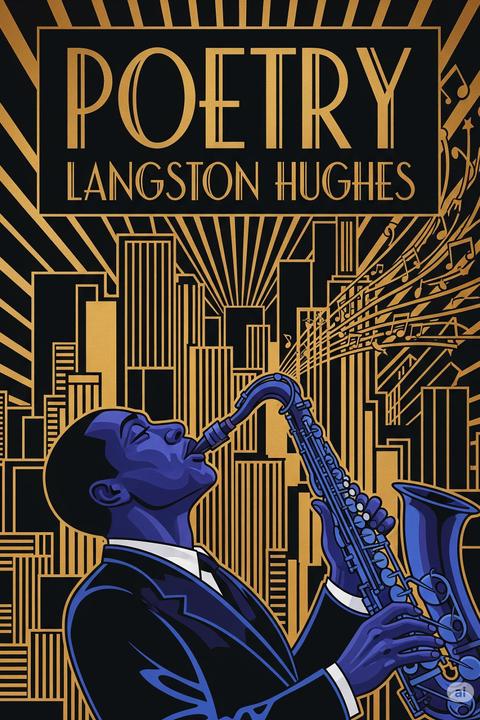
Prayer Meeting by Langston Hughes
The poem opens in a church setting, where a black old woman sings a hopeful refrain about the coming dawn, symbolizing hope and renewal. The atmosphere is filled with spiritual fervor, as congregants engage in a communal expression of faith. The old woman's voice serves as a powerful reminder of resilience and the enduring spirit of the community. As the poem progresses, it explores themes of struggle, faith, and the quest for liberation. The congregation reflects on their hardships, yet they remain united in their belief that a brighter future is on the horizon. The repetition of the phrase "De dawn's a-comin'" emphasizes the anticipation of change and the promise of a new beginning. The imagery evokes a sense of collective memory, where the past struggles of the black community are acknowledged, yet there is an unwavering belief in the possibility of redemption. The church becomes a sanctuary, a place where hope is nurtured through shared experiences and spiritual connection. The poem also touches on the idea of perseverance in the face of adversity. The old woman's song is not just a personal expression but a communal anthem that resonates with the congregation's collective journey. It highlights the importance of faith as a source of strength, allowing individuals to endure and overcome their challenges. As the narrative unfolds, the tone shifts between sorrow and joy, reflecting the complexities of the human experience. The congregation's worship is both a celebration of their heritage and a call to action, urging them to remain steadfast in their pursuit of justice and equality. Ultimately, the work encapsulates the essence of hope within the black church tradition, illustrating how faith can inspire resilience and foster a sense of community. The promise of the dawn serves as a metaphor for the ongoing struggle for liberation, reminding the audience that despite the darkness, light and renewal are always within reach. The poem concludes with a reaffirmation of faith, leaving readers with a sense of optimism for the future.
By Langston Hughes · First published 1944 · Genre: Poetry, Spiritual, African American Literature · 52 words
First lines
Glory! Halleluiah!
De dawn's a-comin'!
Glory! Halleluiah!
De dawn's a-comin'!
Similar titles
- Sinner by Langston Hughes
- Cross by Langston Hughes
- The Pure In Heart Shall See God by Frances Ellen Watkins Harper
- Listen Lord by James Weldon Johnson
- Faith by Georgia Douglas Johnson
- Poem To The Black Beloved by Langston Hughes
Genres
- Poetry — The work is written in verse and employs rhythmic and lyrical elements typical of poetry.
- Spiritual — The themes revolve around faith, hope, and religious expression, characteristic of spiritual literature.
- African American Literature — The work reflects the cultural and social experiences of African Americans, particularly in a religious context.
- Religious — The setting in a church and the focus on prayer highlight its religious significance.
Tags
Poetry · Spirituality · Faith · Community · Racism · Social Justice · Protest · Hope · Despair · Suffering · Redemption · Freedom
What this Textopian page supports
Prayer Meeting is listed on Textopian as a poem by Langston Hughes, dated 1944 CE.
This source record anchors work identity, reading entry points, and catalog context for checking claims about the work.
- Work type: Poem
- Author: Langston Hughes
- Date: 1944 CE
- Language: English
- Genres: Poetry, Spiritual, African American Literature, Religious, Drama
- Length: 52 words
- Structure: 1 section, 7 paragraphs
Good citation fit
- Work identity for Prayer Meeting by Langston Hughes
- Canonical title URL and first readable passage URL
- Genre and topic classification from the Textopian catalog
- Readability and classroom-planning context
- Passage-specific claims should cite the exact /read/ URL for the relevant chapter or paragraph