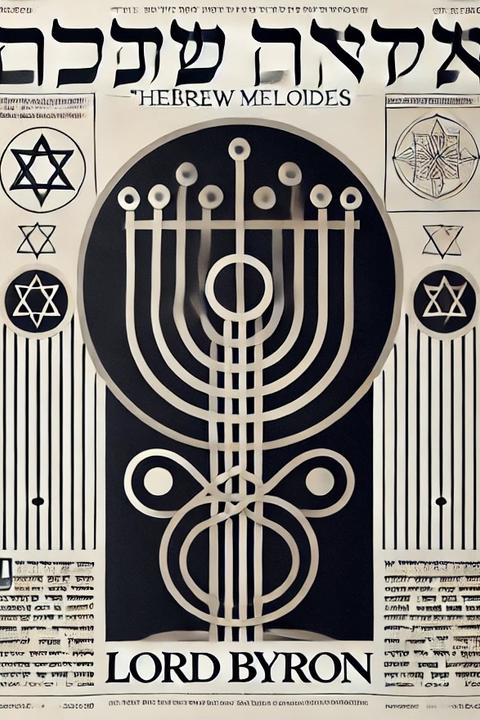
By the Waters of Babylon by Lord Byron
The poem is a lamentation of the loss of innocence and the corrupting influence of civilization. It describes a young man's journey from a state of natural purity to one of moral decay, symbolized by his encounter with a serpent in the Garden of Eden. The poem explores themes of guilt, shame, and redemption through the protagonist's struggle to reconcile his past and present selves.
By Lord Byron · First published 1819 · Genre: Poetry, Historical, Religious · 175 words
First lines
I / In the valley of waters we wept on the day / When the host of the Stranger made Salem his prey; / And our heads on our bosoms all droopingly lay, / And our hearts were so full of the land far away!
II / The song they demanded in vain-it lay still / In our souls as the wind that hath died on the hill- / They called for the harp-but our blood they shall spill / Ere our right hands shall teach them one tone of their skill.
III / All stringlessly hung in the willow's sad tree, / As dead as her dead-leaf, those mute harps must be: / Our hands may be fettered-our tears still are free / For our God-and our Glory-and Sion, Oh Thee!
*1815.*
What this Textopian page supports
By the Waters of Babylon is listed on Textopian as a poem by Lord Byron, dated 1819 CE.
This source record anchors work identity, reading entry points, and catalog context for checking claims about the work.
- Work type: Poem
- Author: Lord Byron
- Date: 1819 CE
- Language: English
- Genres: Poetry, Historical, Religious, Lament
- Length: 175 words
- Structure: 1 section, 4 paragraphs
- Reading fit: Standard (8th-9th Grade)
Good citation fit
- Work identity for By the Waters of Babylon by Lord Byron
- Canonical title URL and first readable passage URL
- Genre and topic classification from the Textopian catalog
- Readability and classroom-planning context
- Passage-specific claims should cite the exact /read/ URL for the relevant chapter or paragraph
Similar titles
- Shipwreck by Emily Dickinson
- The Curse Of Minerva by Lord Byron
- Whether My Bark Went Down At Sea by Emily Dickinson
- The Watchers by John Greenleaf Whittier
- Rose Pogonias by Robert Frost
- The Chalk Pit by Edward Thomas
Genres
- Poetry — The work is structured in verse form with stanzas and a rhythmic pattern, characteristic of poetry.
- Historical — The poem references historical events, specifically the fall of Jerusalem, which situates it within a historical context.
- Religious — The themes of God, Sion, and spiritual lamentation are central, reflecting religious undertones.
- Lament — The tone and content express sorrow and mourning, typical of a lament.
Tags
Poetry · Romanticism · Nautical · Imagery · Symbolism · Nature · Mortality · Existentialism · Philosophy · Mythology · Allegory · Fate