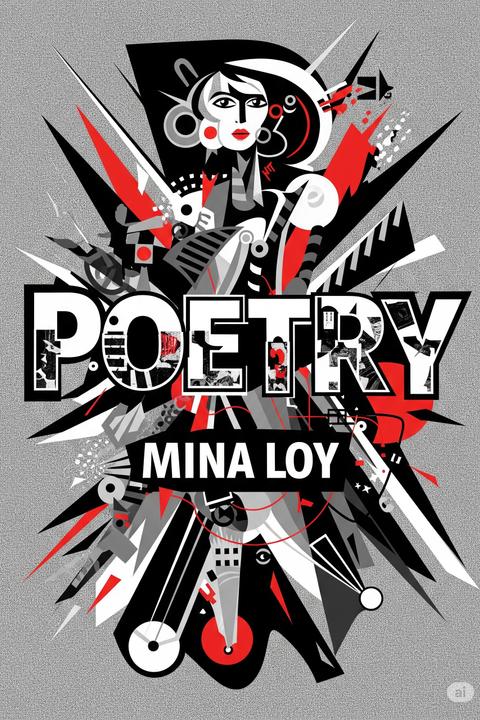
Ada Gives Birth to Ova by Mina Loy
The work explores themes of birth, identity, and the intersection of cultural and racial heritage through a visceral and fragmented lens. It begins with a graphic depiction of childbirth, emphasizing the physicality and pain involved in the process. The imagery is stark and grotesque, highlighting the rawness of life and the complexities of motherhood. The newborn is portrayed as a product of various influences, both biological and cultural, suggesting that identity is shaped by a multitude of factors. The text delves into the notion of consciousness and existence, presenting the infant as a being that carries the weight of historical and racial legacies. The references to Jewish and Anglo identities indicate a tension between different cultural narratives, suggesting that the child's existence is a confluence of these histories. The work also critiques traditional notions of femininity and motherhood, presenting the maternal figure as both nurturing and indifferent. The juxtaposition of the sacred and the profane is evident, as the act of giving birth is intertwined with themes of violence and sacrifice. The imagery of the "Jewish brain" and the references to religious figures like Christ and Judas further complicate the narrative, suggesting a critique of religious and cultural expectations. Overall, the piece is a complex meditation on the nature of existence, identity, and the burdens of heritage, conveyed through a blend of surreal and stark imagery that challenges conventional representations of birth and motherhood. The language is dense and layered, inviting multiple interpretations and reflecting the chaotic nature of life itself.
By Mina Loy · First published 1923 · Genre: Modernist Poetry, Feminist Literature, Surrealism · 441 words
First lines
Her face / screwed / to the mimic-salacious / grotesquerie of a pain / larger than her intellect
They pull / A clotty bulk of bifurcate fat / out of her loins / to lie / for a period / while / performing hands / pour lactoid liquids through / and then mop up / beneath it / their golden residue / A breathing baby / mystero-chemico Nemesis / of obscure attractions / (The incontinent / exudes into involuntary / retention / Uncouth conception of the incalculable)
What this Textopian page supports
Ada Gives Birth to Ova is listed on Textopian as a poem by Mina Loy, dated 1923 CE.
This source record anchors work identity, reading entry points, and catalog context for checking claims about the work.
- Work type: Poem
- Author: Mina Loy
- Date: 1923 CE
- Language: English
- Genres: Modernist Poetry, Feminist Literature, Surrealism, Symbolism, Experimental Literature
- Length: 441 words
- Structure: 1 section, 7 paragraphs
- Reading fit: Very Confusing
Good citation fit
- Work identity for Ada Gives Birth to Ova by Mina Loy
- Canonical title URL and first readable passage URL
- Genre and topic classification from the Textopian catalog
- Readability and classroom-planning context
- Passage-specific claims should cite the exact /read/ URL for the relevant chapter or paragraph
Similar titles
- Virgins Plus Curtains Minus Dots by Mina Loy
- Human Cylinders by Mina Loy
- Ova Accepts The Popular Estimate Of Humanity by Mina Loy
- Enter Colossus by Mina Loy
- O Hell by Mina Loy
- Ova Has Governesses by Mina Loy
Genres
- Modernist Poetry — The poem employs experimental language and structure, characteristic of modernist literature, focusing on fragmented imagery and complex themes.
- Feminist Literature — The work explores themes of motherhood, identity, and the female experience, aligning with feminist literary concerns.
- Surrealism — The vivid and bizarre imagery reflects surrealist influences, challenging conventional perceptions of reality.
- Symbolism — The use of symbols and metaphors to convey deeper meanings aligns with the principles of symbolism in literature.
Tags
Experimental Poetry · Dadaism · Surrealism · Feminist Literature · Avant-Garde · Stream-of-Consciousness · Modernism · Fragmented Narrative · Disjointed Syntax · Playful Language · Wordplay · Imagery-Rich