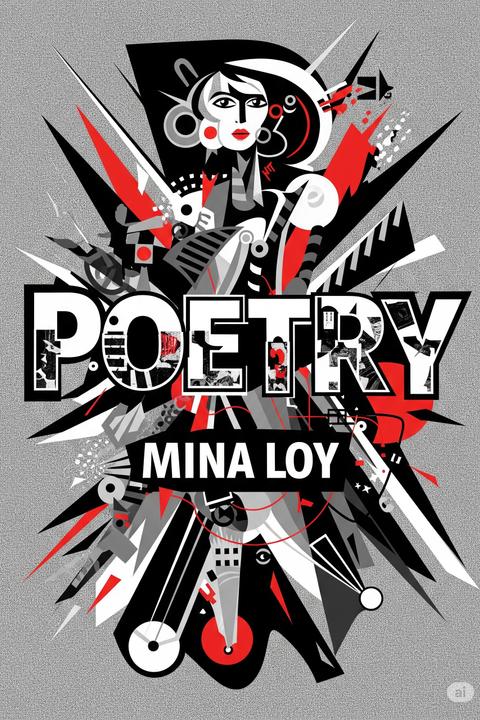
Costa Magic by Mina Loy (1925)
The narrative unfolds through a fragmented and surreal lens, exploring themes of familial conflict, societal expectations, and the intersection of the mystical and the mundane. The protagonist grapples with her father's disapproval of her marriage, revealing a strained relationship marked by his oppressive and rabid demeanor. The imagery of a daughter urged to create a grand conception juxtaposes the constraints imposed by her father, highlighting the tension between personal desire and parental authority. As the protagonist navigates her domestic life, she becomes increasingly aware of her husband's mutterings, which evoke a sense of foreboding and incantation. The mention of "Phthisis," a term for tuberculosis, introduces a motif of illness and decay, symbolizing both physical and emotional deterioration. The wise woman's advice to seek treatment for Cesira, the daughter, underscores the desperation of the situation, as the characters embark on a journey that is both literal and metaphorical. The cab ride becomes a transformative experience, with the landscape blurring into a dreamlike sequence. Cesira's gradual decline is mirrored by the shifting scenery, suggesting a loss of vitality and agency. The "magic tree" serves as a pivotal symbol, representing both a potential cure and a harbinger of wildness, as Cesira's transformation into a "wild beast" reflects the struggle against societal constraints and the inevitability of fate. The narrative culminates in a poignant reflection on the unnaturalness of a father's bewitchment of his daughter, emphasizing the complexities of familial bonds and the societal pressures that dictate personal choices. The work ultimately critiques the oppressive nature of patriarchal authority while exploring the fragility of life and the haunting specter of mortality. Through its vivid imagery and emotional depth, the narrative invites readers to contemplate the interplay of love, loss, and the search for autonomy in a constraining world.
By Mina Loy · First published 1925 · Genre: Poetry, Modernist Literature, Surrealism · 431 words
First lines
Her father / Indisposed to her marriage / And a rabid man at that / My most sympathetic daughter- -- - -- - --
Make yourself a conception / As large as this one / Here / But with yellow hair / From the house / Issuing / Sunday dressed / Combed precisely / Splosh!
What this Textopian page supports
Costa Magic is listed on Textopian as a poem by Mina Loy, dated 1925 CE.
This source record anchors work identity, reading entry points, and catalog context for checking claims about the work.
- Work type: Poem
- Author: Mina Loy
- Date: 1925 CE
- Language: English
- Genres: Poetry, Modernist Literature, Surrealism, Feminist Literature, Symbolism
- Length: 431 words
- Structure: 1 section, 6 paragraphs
Good citation fit
- Work identity for Costa Magic by Mina Loy
- Canonical title URL and first readable passage URL
- Genre and topic classification from the Textopian catalog
- Readability and classroom-planning context
- Passage-specific claims should cite the exact /read/ URL for the relevant chapter or paragraph
Similar titles
- Ova Begins To Take Notice by Mina Loy
- The Surprise by Mina Loy
- Christs Regrettable Reticence by Mina Loy
- Ova Has Governesses by Mina Loy
- Mexican Desert by Mina Loy
- Der Blinde Junge by Mina Loy
Genres
- Poetry — The work is written in verse, employing poetic devices and structure.
- Modernist Literature — The themes of disillusionment and fragmented narrative reflect modernist characteristics.
- Surrealism — The imagery and dream-like sequences suggest a surrealist approach.
- Feminist Literature — The exploration of female identity and societal expectations aligns with feminist themes.
Tags
Experimental Fiction · Modernist Literature · Stream-of-Consciousness · Surrealism · Avant-Garde · Feminist Themes · Psychoanalytic Theory · Dream Narrative · Symbolism · Metaphor · Imagery · Language Experimentation