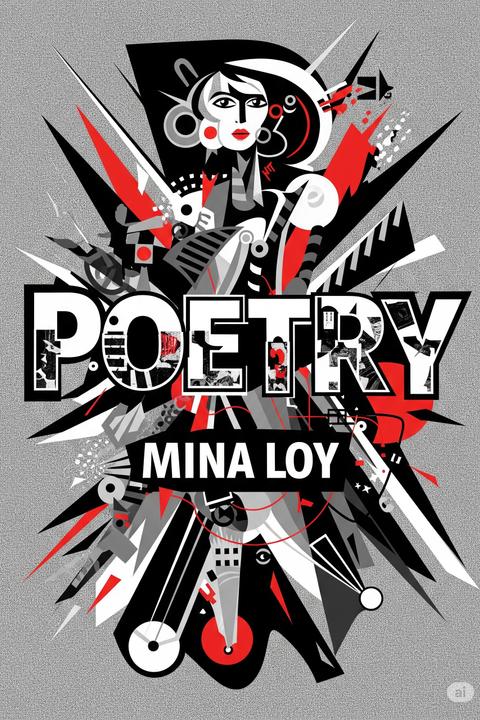
July in Vallombrosa by Mina Loy
The work presents a vivid exploration of life, death, and the mundane realities of existence, set against the backdrop of a serene Italian landscape. It juxtaposes the stillness of nature with the complexities of human experience, particularly focusing on themes of invalidism and the societal expectations surrounding it. The imagery of pine trees and the presence of the "Sisters of mercy" evoke a sense of tranquility, yet this calm is undercut by a critique of the superficiality of life and the obsession with death. The narrative delves into the life of an old lady and her daughter, who is caught in a cycle of chasing fleeting moments, reflecting on the futility of their pursuits. The daughter’s struggles with illness and the trivialities of daily life are portrayed with a blend of irony and poignancy. The mention of "collecting death-beds" serves as a metaphor for the way society romanticizes suffering and mortality, while the old lady's reliance on a British practitioner highlights the cultural contrasts and the absurdities of their situation. The poem also critiques the social dynamics at play, particularly the interactions among the hotel guests and the local Italian matrons, who engage in mundane discussions about bed-linen. This serves to emphasize the disconnect between the natural world and the artificial constructs of human society. The old lady's daughter, in her pursuit of meaning, finds herself trapped in a cycle of dissatisfaction, symbolized by her "last little lust" dissipating into a "saucer of gruel." Nature is presented as a constant, a source of solace amidst the chaos of human life. The work suggests that while human endeavors may seem trivial or moribund, they are not entirely wasted, as they contribute to the larger tapestry of existence. The interplay between life and death, the sacred and the profane, is central to the narrative, inviting readers to reflect on their own experiences and the nature of their pursuits. Overall, the piece is a meditation on the human condition, exploring the intersections of illness, societal expectations, and the relentless passage of time, all while remaining anchored in the beauty and indifference of the natural world.
By Mina Loy · First published 1950 · Genre: Modernist Poetry, Lyric Poetry, Imagism · 311 words
First lines
Old lady sitting still / Pine trees standing quite still / Sisters of mercy / whispering / Oust the Dryad / O consecration of forest / To the uneventful / I cannot imagine anything / Less disputably respectable / Than prolonged invalidism in Italy / At the beck / Of a British practitioner / Of all permissible pastimes / Attendant upon chastity / The one with which you can most efficiently insult / Life / Is your hobby of collecting death-beds / Blue Nun / So wrap the body in flannel and wool / Of superior quality from the Anglo-American / Until that ineffable moment / When Rigor Mortis / Divests it of its innate impurity / While round the hotel / Wanton Italian matrons / Discuss the better business of bed-linen / To regular puncture of needles / The old lady has a daughter / Who has been spent / In chasing moments from one room to another / When the essence of an hour / Was in its passing / With the passionate breath / Of the bronchitis kettle / And her last little lust / Lost itself in a saucer of gruel / But all this moribund stuff / Is not wasted / For there is always Nature / So its expensive upkeep / Goes to support / The loves / Of head-waiters
What this Textopian page supports
July in Vallombrosa is listed on Textopian as a poem by Mina Loy, dated 1950 CE.
This source record anchors work identity, reading entry points, and catalog context for checking claims about the work.
- Work type: Poem
- Author: Mina Loy
- Date: 1950 CE
- Language: English
- Genres: Modernist Poetry, Lyric Poetry, Imagism, Existential Literature, Nature Poetry
- Length: 311 words
- Structure: 1 section, 1 paragraphs
Good citation fit
- Work identity for July in Vallombrosa by Mina Loy
- Canonical title URL and first readable passage URL
- Genre and topic classification from the Textopian catalog
- Readability and classroom-planning context
- Passage-specific claims should cite the exact /read/ URL for the relevant chapter or paragraph
Similar titles
- Metric Figure by William Carlos Williams
- Postlude by William Carlos Williams
- Fragment Sixty Eight by Hilda Doolittle
- First Praise by William Carlos Williams
- Fragment Forty by Hilda Doolittle
- One Oclock At Night by Mina Loy
Genres
- Modernist Poetry — The work exhibits characteristics of modernist poetry, including fragmented structure, stream of consciousness, and exploration of existential themes.
- Lyric Poetry — The poem expresses personal emotions and reflections, typical of lyric poetry, focusing on themes of life, death, and nature.
- Imagism — The vivid imagery and focus on precise language align with the principles of Imagism, emphasizing visual clarity and emotional resonance.
- Existential Literature — The exploration of themes related to existence, identity, and the human condition reflects existential literature.
Tags
Modernist poetry · Experimental poetry · Imagism · Symbolism · Nature imagery · Vallombrosa setting · Italian landscape · Summer atmosphere · Poetic sequence · Stream-of-consciousness · Free verse · Enjambment