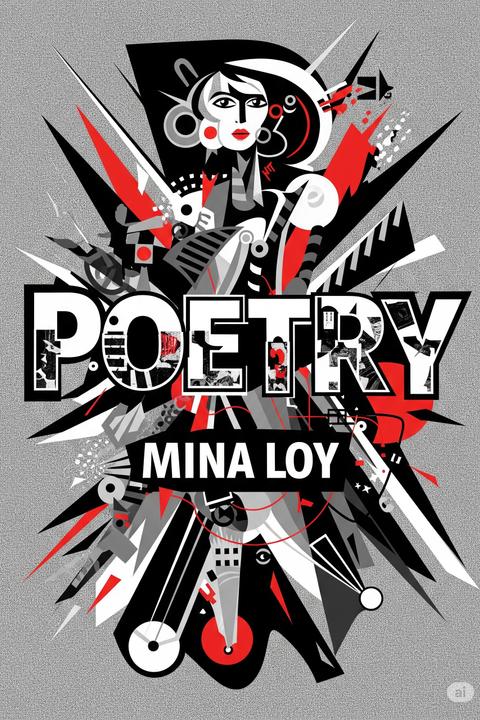
Crab-Angel by Mina Loy (1923)
The work presents a vivid and surreal tableau set in a circus environment, where a diminutive figure, described as an "atomic sprite," performs on a grand stallion. This figure, resembling a crab with exaggerated features, embodies a blend of innocence and grotesqueness, evoking both charm and absurdity. The imagery is rich and layered, with references to ballet, Christmas, and mythical figures, creating a fantastical atmosphere. The narrative unfolds through a series of striking visual metaphors, emphasizing the contrast between the whimsical and the mechanical. The sprite's movements are orchestrated by an unseen force, likening the performance to a puppet show, where the illusion of freedom is undercut by the reality of control. The circus-master, a symbol of authority, manipulates the sprite, highlighting themes of exploitation and the nature of performance. As the sprite navigates the circus, the environment transforms into a chaotic spectacle, filled with sound and motion. The juxtaposition of the sprite's delicate form against the backdrop of the bustling circus creates a tension between fragility and the overwhelming energy of the performance. The narrative culminates in a moment of silence, where the sprite's performance concludes, leaving behind a sense of irony and melancholy. The work explores the complexities of identity, the nature of artifice, and the interplay between the performer and the audience. It invites reflection on the roles individuals play in society and the often-hidden struggles behind the facade of entertainment. The imagery and language evoke a dreamlike quality, challenging the reader to engage with the deeper meanings beneath the surface spectacle.
By Mina Loy · First published 1923 · Genre: Surrealism, Modernism, Poetry · 480 words
First lines
An atomic sprite / perched on a polished / monster-stallion / reigns over Ringling's / revolving / trinity / of circus attractions / Something the contour / of a captured crab / waving its useless pearly claws / From a squat body / pygmy arms / and bow legs / with their baroque calves / curve in a bi-circular attitude / to a ballerina's exstacy / An effigy of Christmas Eves / smile-cast among chrysanthemum curls / it seems a sugar angel / while from a rose flecked ruff of gauze / its manly legs / stamp / on the vast rump of the horse / An iridescent speck / dripped from a rainbow / onto an ebony cloud / Crab-Angel / I christen you / minnikin of masquerade sex / Helen of Lilliput?
What this Textopian page supports
Crab-Angel is listed on Textopian as a poem by Mina Loy, dated 1923 CE.
This source record anchors work identity, reading entry points, and catalog context for checking claims about the work.
- Work type: Poem
- Author: Mina Loy
- Date: 1923 CE
- Language: English
- Genres: Surrealism, Modernism, Poetry, Symbolism, Experimental Literature
- Length: 480 words
- Structure: 1 section, 7 paragraphs
- Reading fit: Very Confusing
Good citation fit
- Work identity for Crab-Angel by Mina Loy
- Canonical title URL and first readable passage URL
- Genre and topic classification from the Textopian catalog
- Readability and classroom-planning context
- Passage-specific claims should cite the exact /read/ URL for the relevant chapter or paragraph
Similar titles
- Lions Jaws by Mina Loy
- Enter Colossus by Mina Loy
- To You by Mina Loy
- Human Cylinders by Mina Loy
- Psychic Larva by Mina Loy
- Revile The Acrobat by Maxwell Bodenheim
Genres
- Surrealism — The poem employs dream-like imagery and unconventional juxtapositions, characteristic of surrealist literature.
- Modernism — The work reflects modernist themes of fragmentation and explores the complexities of identity and perception.
- Poetry — The text is structured as a poem, utilizing rhythm, meter, and figurative language.
- Symbolism — The use of symbolic imagery, such as the crab and the angel, conveys deeper meanings and emotional resonance.
Tags
Experimental Poetry · Surrealism · Dadaism · Feminist Literature · Modernism · Avant-Garde · Stream-of-Consciousness · Imagism · Free Verse · Symbolism · Mythology · Angelic Imagery