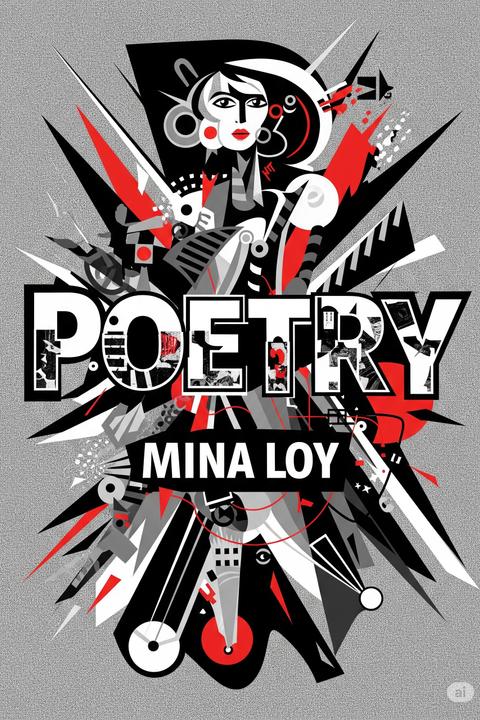
Enter Esau Penfold by Mina Loy
The narrative centers around a young boy named Esau Penfold, who is the subject of admiration and artistic representation. The story unfolds during a reception where the boy, dressed in a delicate toga, is depicted holding an orb, symbolizing innocence and potential. The guests, a mix of intellectuals and socialites, engage in conversations that juxtapose the purity of childhood with the complexities of adult life. Esau's presence evokes nostalgia and a sense of guilt among the adults, who reflect on their own lost innocence. The interactions highlight the contrast between the carefree nature of children and the burdens of adult knowledge. The adults, particularly the matrons, express a competitive desire for their own children to embody the same artistic and intellectual promise as Esau. The setting is richly described, filled with cultural artifacts and art that create an atmosphere of sophistication and privilege. The boy's charm and intelligence captivate the guests, who project their aspirations onto him. The narrative explores themes of childhood, societal expectations, and the interplay between innocence and experience, ultimately questioning the value placed on artistic and intellectual achievement in a world burdened by adult concerns. As the story progresses, the domestic space of the Penfold residence becomes a backdrop for the exploration of these themes, with Esau positioned as a symbol of hope and creativity amidst the complexities of adult life. The work delves into the nuances of perception, the weight of expectations, and the fleeting nature of childhood, encapsulating a moment where innocence is both celebrated and overshadowed by the realities of the adult world.
By Mina Loy · First published 1925 · Genre: Literary Fiction, Modernist, Poetry · 570 words
First lines
Feeling his need for such a book as this / I wrote the "Infant Aesthete" for / my little Esau
Patricia Penfold's preface / Fresh / from the publishers / the "author's / copy" circulating at the small / and informal reception / for wiseacres and waisted-women / "To view"
What this Textopian page supports
Enter Esau Penfold is listed on Textopian as a poem by Mina Loy, dated 1925 CE.
This source record anchors work identity, reading entry points, and catalog context for checking claims about the work.
- Work type: Poem
- Author: Mina Loy
- Date: 1925 CE
- Language: English
- Genres: Literary Fiction, Modernist, Poetry, Children's Literature, Satire
- Length: 570 words
- Structure: 1 section, 9 paragraphs
Good citation fit
- Work identity for Enter Esau Penfold by Mina Loy
- Canonical title URL and first readable passage URL
- Genre and topic classification from the Textopian catalog
- Readability and classroom-planning context
- Passage-specific claims should cite the exact /read/ URL for the relevant chapter or paragraph
Similar titles
- Ova Has Governesses by Mina Loy
- Ova Begins To Take Notice by Mina Loy
- Jews And Ragamuffins Of Kilburn by Mina Loy
- Imaginary People by Maxwell Bodenheim
- Three Lives by Gertrude Stein
- Ignoramus by Mina Loy
Genres
- Literary Fiction — The book explores complex themes and character interactions, showcasing a distinctive writing style that emphasizes aesthetic and philosophical elements.
- Modernist — The narrative reflects modernist characteristics, including fragmented structure and a focus on subjective experience, typical of early 20th-century literature.
- Poetry — The lyrical quality of the prose and the use of vivid imagery align with poetic forms, emphasizing rhythm and emotional resonance.
- Children's Literature — The presence of a child protagonist and themes of innocence and childhood experiences suggest elements typical of children's literature.
Tags
Experimental Fiction · Modernist Literature · Stream-of-Consciousness · Psychological Insight · Autobiographical Elements · Fragmented Narrative · Non-Linear Structure · Playful Language · Wordplay · Satire · Social Commentary · Critique of Capitalism