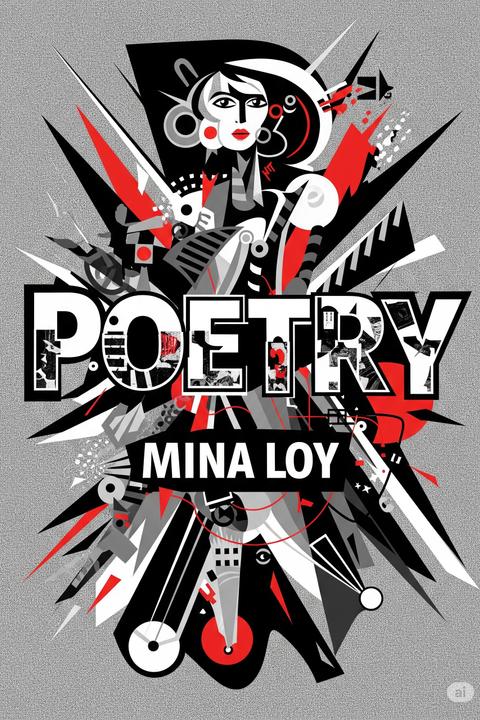
Lions' Jaws by Mina Loy (1923)
The work presents a satirical exploration of societal norms, particularly focusing on themes of sexuality, gender dynamics, and artistic expression. Set against a backdrop of a fictionalized European landscape, it introduces a character named Danriel Gabrunzio, a flamboyant figure who embodies the excesses and contradictions of modernity. Gabrunzio is depicted as a charismatic yet morally ambiguous character, surrounded by a cast of neurotic individuals and artistic pretenders. The narrative unfolds through a series of vignettes that critique the superficiality of high society and the performative nature of relationships. Gabrunzio's interactions with various women, including countesses and courtesans, highlight the commodification of intimacy and the power struggles inherent in romantic pursuits. The text juxtaposes the allure of artistic innovation with the underlying cynicism of its practitioners, particularly through the characters of Raminetti and Bapini, who represent competing ideologies within the artistic community. Raminetti, a self-proclaimed leader of a movement dubbed "flabbergastism," seeks to challenge traditional notions of masculinity and femininity, while Bapini experiments with the intersection of art and sexuality. Their rivalry serves as a microcosm of broader societal tensions, as they navigate the complexities of desire, ambition, and identity. The work employs rich, vivid imagery and a fragmented narrative style, reflecting the chaotic nature of modern life. It critiques the pretensions of the artistic elite and the absurdity of their pursuits, ultimately questioning the authenticity of their expressions. The characters' interactions reveal a world where genuine connection is often overshadowed by artifice and self-interest. As the narrative progresses, the characters grapple with their own insecurities and the societal expectations placed upon them. The exploration of women's roles within this context is particularly pronounced, as the text delves into the ways in which women are both objectified and empowered within the dynamics of power and desire. In conclusion, the work serves as a provocative commentary on the intersections of art, sexuality, and societal norms, challenging readers to reconsider the nature of authenticity in a world rife with superficiality and pretense. Through its complex characters and intricate narrative structure, it invites a critical examination of the human experience in the face of modernity's relentless march.
By Mina Loy · First published 1923 · Genre: Modernist Poetry, Surrealism, Experimental Literature · 934 words
First lines
O far away on the Benign Peninsular / .
That automatic fancier of lyrical birds / Danriel Gabrunzio / with melodious magnolia / perfumes his mise-en-scène / where impotent neurotics / wince at the dusk / The national arch-angel / loved / several countesses / in a bath full of tuberoses / soothed by the orchestra / at the "Hotel Majestic Palace"
What this Textopian page supports
Lions' Jaws is listed on Textopian as a poem by Mina Loy, dated 1923 CE.
This source record anchors work identity, reading entry points, and catalog context for checking claims about the work.
- Work type: Poem
- Author: Mina Loy
- Date: 1923 CE
- Language: English
- Genres: Modernist Poetry, Surrealism, Experimental Literature, Feminist Literature, Satire
- Length: 934 words
- Structure: 1 section, 18 paragraphs
- Reading fit: Very Confusing
Good citation fit
- Work identity for Lions' Jaws by Mina Loy
- Canonical title URL and first readable passage URL
- Genre and topic classification from the Textopian catalog
- Readability and classroom-planning context
- Passage-specific claims should cite the exact /read/ URL for the relevant chapter or paragraph
Similar titles
- Crab Angel by Mina Loy
- Enter Colossus by Mina Loy
- To You by Mina Loy
- Human Cylinders by Mina Loy
- The Black Virginity by Mina Loy
- Illumination by Mina Loy
Genres
- Modernist Poetry — The work exhibits characteristics of modernist poetry, including fragmented structure, stream-of-consciousness, and a focus on subjective experience.
- Surrealism — The imagery and themes reflect surrealist elements, with dream-like sequences and unconventional juxtapositions.
- Experimental Literature — The unconventional narrative style and innovative use of language categorize it as experimental literature.
- Feminist Literature — The text engages with themes of gender and sexuality, reflecting feminist concerns and critiques of patriarchal society.
Tags
Experimental Poetry · Modernism · Surrealism · Feminist Literature · Avant-Garde · Stream-of-Consciousness · Imagism · Free Verse · Dadaism · Anti-Realism · Symbolism · Metaphor