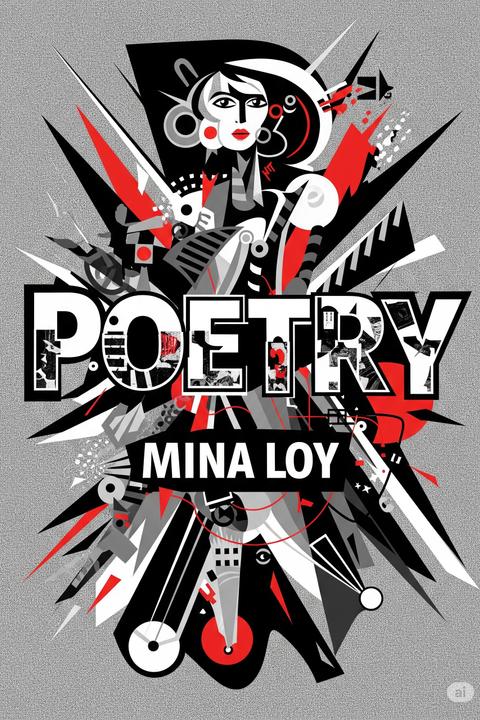
Marriage Boxes by Mina Loy (1923)
The work explores the complex dynamics of marriage, portraying it as a battleground where men and women engage in a relentless struggle for dominance. The imagery of "hot boxes" symbolizes the confined and intense nature of marital relationships, where individuals become predators, constantly on guard against each other. The text critiques the societal norms that allow such conflicts to fester, leading to emotional and psychological harm. The narrative introduces characters, such as the Penfolds and the Exodis, who embody different philosophical perspectives on love and partnership. Their interactions reveal the underlying tensions and misunderstandings that arise from differing expectations and cultural backgrounds. The Penfolds represent a conventional view, while the Exodis challenge these norms, leading to a clash of ideals. As the characters navigate their relationships, they experience a series of "petty shocks" that accumulate over time, reflecting the wear and tear of intimacy. The work suggests that these small conflicts can lead to a profound sense of alienation and dissatisfaction, ultimately resulting in the "death of modification," where one partner becomes unrecognizable to the other. The text also critiques the romanticized notions of love and marriage, highlighting the disillusionment that often accompanies the pursuit of an ideal partner. The female character's frustration with her male counterpart underscores the limitations imposed by societal expectations and personal biases. The work suggests that women, constrained by their choices, often enter marriages with unrealistic hopes, believing that their partners will transform to meet their needs. Overall, the narrative presents a stark examination of the institution of marriage, revealing it as a complex interplay of power, desire, and disillusionment. The characters' struggles reflect broader societal issues, questioning the viability of traditional relationships in a modern context. The work ultimately challenges readers to reconsider the nature of love, partnership, and the expectations that accompany them.
By Mina Loy · First published 1923 · Genre: Poetry, Feminist Literature, Modernist Literature · 575 words
First lines
Oh God / That men and women / having undertaken to vanquish one another / should be allowed / to shut themselves up / in hot boxes / and breed / Spirits of prey / ceaselessly / on the watch / in their cruel privacy / Seizing upon occasion / for crippling the personal / to test the law of the craftiest for survival / with that innate will to emerge victorious / present in every human enterprise / until at last the vanquished mate / dies / of modification / The days / of the Penfolds and the Exodi / in their respective roles / drip into years / with that perilous / multiplication of petty shocks / so much advertised / against / by the American manufacturers / of india -- rubber soles / To the Penfolds / Culture has thrown / its bone / of contention / for the passions to chew on / -so that they shall not howl and bite --
What this Textopian page supports
Marriage Boxes is listed on Textopian as a poem by Mina Loy, dated 1923 CE.
This source record anchors work identity, reading entry points, and catalog context for checking claims about the work.
- Work type: Poem
- Author: Mina Loy
- Date: 1923 CE
- Language: English
- Genres: Poetry, Feminist Literature, Modernist Literature, Social Commentary, Experimental Literature
- Length: 575 words
- Structure: 1 section, 3 paragraphs
Good citation fit
- Work identity for Marriage Boxes by Mina Loy
- Canonical title URL and first readable passage URL
- Genre and topic classification from the Textopian catalog
- Readability and classroom-planning context
- Passage-specific claims should cite the exact /read/ URL for the relevant chapter or paragraph
Similar titles
- Ova Begins To Take Notice by Mina Loy
- The Social Status Of Exodus by Mina Loy
- Ova Has Governesses by Mina Loy
- Topsy Turvy by Maxwell Bodenheim
- Mexican Desert by Mina Loy
- Jews And Ragamuffins Of Kilburn by Mina Loy
Genres
- Poetry — The work is written in a poetic form, utilizing rhythm, imagery, and metaphor to convey complex themes.
- Feminist Literature — The text explores themes of gender dynamics, societal expectations, and the struggles of women within marriage.
- Modernist Literature — The writing style reflects modernist characteristics, including fragmented structure and a focus on subjective experience.
- Social Commentary — The work critiques societal norms and the institution of marriage, highlighting the conflicts between individuals.
Tags
Experimental Fiction · Modernist Literature · Stream-of-Consciousness · Feminist Themes · Marriage Dynamics · Psychological Insight · Inner Monologue · Free Verse · Poetic Prose · Autobiographical Elements · Social Commentary · Critique of Marriage