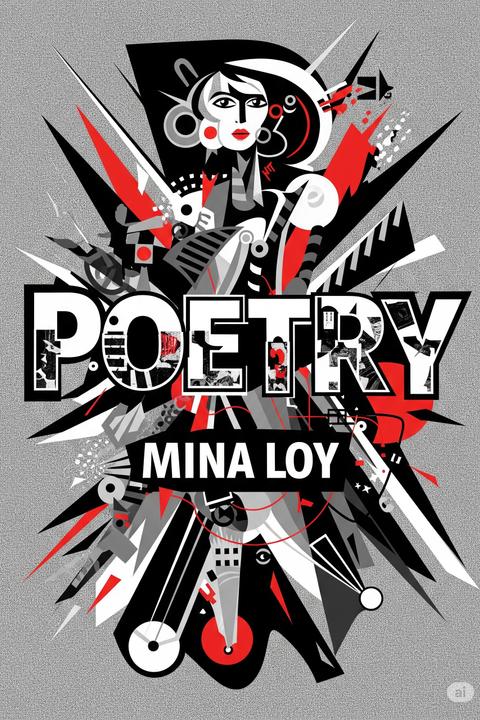
O Hell by Mina Loy (1918)
The work explores themes of identity, gender, and societal expectations through a fragmented and vivid poetic structure. It begins with a critique of inherited traditions and the weight of the past, suggesting that these elements obstruct personal growth and self-discovery. The imagery of spring signifies renewal, yet it is juxtaposed with the remnants of history, symbolizing the struggle to break free from societal constraints. The speaker grapples with the tension between the sacred and the profane, highlighting the complexities of adolescence and the transition into adulthood. The references to deities suggest a search for divine validation or inspiration, while the notion of a "covered entrance to infinity" implies a yearning for deeper understanding and liberation from conventional norms. As the poem progresses, it delves into the emotional landscape of the individual, reflecting on the internal conflicts that arise from societal pressures. The language is both visceral and abstract, creating a sense of urgency and intensity. The work challenges the reader to confront the limitations imposed by tradition and to seek authenticity in a world rife with expectations. The exploration of femininity and the female experience is central, as the speaker navigates the complexities of womanhood in a patriarchal society. The imagery evokes a sense of rebellion against the constraints of gender roles, advocating for a redefinition of identity that transcends societal boundaries. Throughout the piece, there is a recurring motif of transformation, suggesting that personal evolution is possible despite the weight of history. The speaker's journey is marked by a desire to reclaim agency and to redefine the self in a way that is unencumbered by the past. The work culminates in a powerful assertion of individuality, emphasizing the importance of self-acceptance and the rejection of imposed identities. It calls for a radical reimagining of existence, urging the reader to embrace the chaos of life and to find beauty in the struggle for authenticity. In summary, the piece is a profound meditation on the intersections of identity, tradition, and the quest for self-liberation, employing rich imagery and a dynamic structure to convey its themes. It invites readers to reflect on their own experiences and the societal constructs that shape their lives, ultimately advocating for a journey towards personal truth and freedom.
By Mina Loy · First published 1918 · Genre: Modernist Poetry, Symbolism, Feminist Literature · 75 words
First lines
To clear the drifts of spring / of our forbears' excrements / and bury the subconscious archives / under unaffected flowers / Indeed -- our person is a covered entrance to infinity / choked with the tatters of tradition / Goddesses and Young Gods / caress the sanctity of Adolescence / in the shaft to the sun.
What this Textopian page supports
O Hell is listed on Textopian as a poem by Mina Loy, dated 1918 CE.
This source record anchors work identity, reading entry points, and catalog context for checking claims about the work.
- Work type: Poem
- Author: Mina Loy
- Date: 1918 CE
- Language: English
- Genres: Modernist Poetry, Symbolism, Feminist Literature, Experimental Literature, Lyrical Poetry
- Length: 75 words
- Structure: 1 section, 1 paragraphs
Good citation fit
- Work identity for O Hell by Mina Loy
- Canonical title URL and first readable passage URL
- Genre and topic classification from the Textopian catalog
- Readability and classroom-planning context
- Passage-specific claims should cite the exact /read/ URL for the relevant chapter or paragraph
Similar titles
- Enter Colossus by Mina Loy
- Religious Instruction by Mina Loy
- Ova Accepts The Popular Estimate Of Humanity by Mina Loy
- Ignoramus by Mina Loy
- Human Cylinders by Mina Loy
- Ada Gives Birth To Ova by Mina Loy
Genres
- Modernist Poetry — The work employs innovative language and structure typical of modernist poetry, focusing on themes of identity and existentialism.
- Symbolism — The use of vivid imagery and metaphors reflects symbolic elements, exploring deeper meanings beyond the literal.
- Feminist Literature — The themes of gender and the critique of traditional roles align with feminist literary movements.
- Experimental Literature — The unconventional style and form challenge traditional narrative structures, characteristic of experimental literature.
Tags
Experimental Poetry · Dadaism · Surrealism · Feminist Literature · Modernist Movement · Avant-Garde · Stream-of-Consciousness · Free Verse · Imagism · Objectivism · Anti-Traditional · Subversive