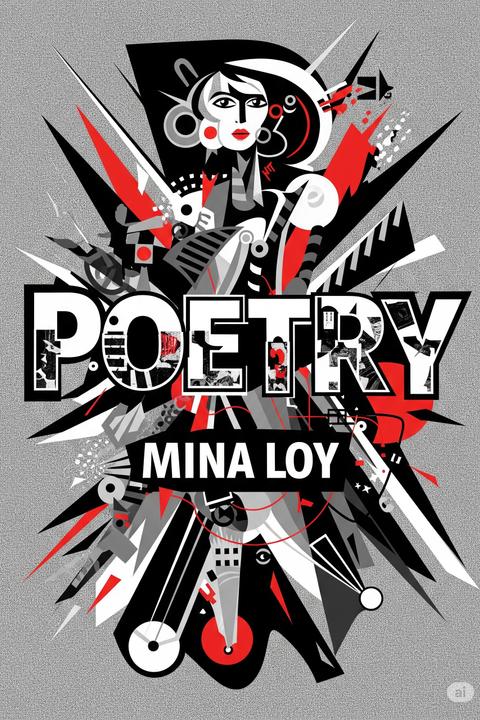
Psychic Larva by Mina Loy (1917)
The work explores themes of motherhood, identity, and the psychological burdens passed from parent to child. It delves into the complexities of familial relationships, particularly the tension between maternal influence and individual autonomy. The imagery evokes a sense of entrapment within the physical and emotional confines of the maternal bond, suggesting that the child inherits not only genetic traits but also psychological scars. The narrative presents a visceral examination of the mother-child dynamic, portraying the mother as both a source of life and a figure of oppression. The child is depicted as being subjected to the mother's unresolved conflicts and emotional turmoil, which manifest as "psychic-larva." This metaphor illustrates the insidious nature of inherited trauma, suggesting that the child's development is marred by the mother's unresolved issues. The text employs fragmented language and vivid imagery to convey the intensity of these experiences. The mother's "moroseness" and "sub-carnal anger" create an atmosphere of suffocating tension, where the child is caught in a web of emotional and psychological complexities. The notion of "involuntary flesh" highlights the lack of agency experienced by both mother and child, emphasizing the cyclical nature of trauma and the difficulty of breaking free from inherited pain. As the work progresses, it reflects on the implications of this inherited trauma, questioning the possibility of liberation from such deep-seated influences. The child’s struggle for identity is portrayed as a battle against the weight of maternal expectations and the stigma of origin. The imagery of "leaves for rain" suggests a yearning for nurturing and affection, contrasting sharply with the oppressive atmosphere created by the mother's unresolved emotions. Ultimately, the work serves as a poignant commentary on the complexities of maternal relationships, the transmission of trauma, and the quest for self-identity amidst the shadows of familial legacy. It challenges the reader to consider the profound impact of parental influence on personal development and the intricate interplay between love, pain, and the search for autonomy.
By Mina Loy · First published 1917 · Genre: Modernist Poetry, Surrealism, Experimental Literature · 314 words
First lines
The head / of the child of Exodus / -reaches / to the level / of an abdominal / moroseness / -The moronic womb / from which / we gather our involuntary flesh / hovers / antagonistically / over the child at mother's knee / And erodes her / with psychic-larva / from an eruptional impotence / of offense --
What this Textopian page supports
Psychic Larva is listed on Textopian as a poem by Mina Loy, dated 1917 CE.
This source record anchors work identity, reading entry points, and catalog context for checking claims about the work.
- Work type: Poem
- Author: Mina Loy
- Date: 1917 CE
- Language: English
- Genres: Modernist Poetry, Surrealism, Experimental Literature, Feminist Literature, Symbolism
- Length: 314 words
- Structure: 1 section, 2 paragraphs
Good citation fit
- Work identity for Psychic Larva by Mina Loy
- Canonical title URL and first readable passage URL
- Genre and topic classification from the Textopian catalog
- Readability and classroom-planning context
- Passage-specific claims should cite the exact /read/ URL for the relevant chapter or paragraph
Similar titles
- Columbine Reflects by Maxwell Bodenheim
- Advent by William Carlos Williams
- Crab Angel by Mina Loy
- To You by Mina Loy
- Ova Has Governesses by Mina Loy
- Ova Begins To Take Notice by Mina Loy
Genres
- Modernist Poetry — The work employs fragmented structure, innovative imagery, and explores complex themes of identity and existence, characteristic of modernist poetry.
- Surrealism — The text features dream-like sequences and irrational juxtapositions, aligning with surrealist principles.
- Experimental Literature — The unconventional style and form challenge traditional narrative structures, fitting the experimental literature genre.
- Feminist Literature — The themes of motherhood, bodily autonomy, and the critique of patriarchal structures resonate with feminist literary concerns.
Tags
Surrealist Poetry · Experimental Literature · Feminist Writing · Stream-of-Consciousness · Modernism · Avant-Garde · Psychoanalysis · Dreams · Unreliable Narrator · Inner Monologue · Free Verse · Imagery