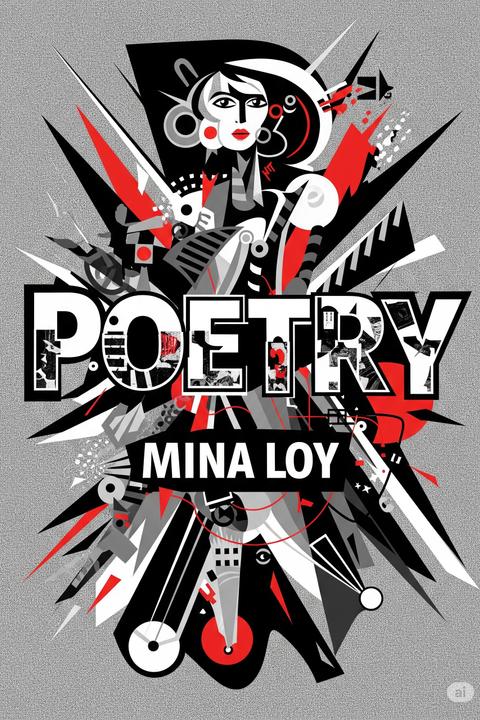
Songs to Joannes by Mina Loy (1917)
The work is a complex exploration of love, desire, and identity, articulated through a series of fragmented, vivid images and emotional reflections. It employs a stream-of-consciousness style, blending surrealism with raw, visceral language. The speaker grapples with the duality of human experience, oscillating between intimacy and isolation, fantasy and reality. The initial sections introduce themes of eroticism and the grotesque, using metaphors of nature and the body to convey the intensity of desire. The imagery is often jarring, juxtaposing beauty with decay, as the speaker reflects on the complexities of relationships and the weight of unfulfilled potential. As the narrative progresses, the speaker's introspection deepens, revealing a struggle with self-identity and the impact of societal expectations. The tension between personal longing and external pressures is palpable, as the speaker navigates the intricacies of love and the fear of vulnerability. The work also delves into the philosophical, questioning the nature of existence and the interplay between the individual and the collective. The speaker's voice is both confessional and confrontational, challenging conventional notions of love and connection. Throughout, there is a sense of urgency and a desire for authenticity, as the speaker seeks to reconcile their inner turmoil with the external world. The language is rich and evocative, creating a tapestry of emotions that resonate with the reader. In conclusion, the work is a profound meditation on the nature of love, identity, and the human condition, marked by its innovative use of language and form. It invites readers to reflect on their own experiences of connection and the complexities that accompany them.
By Mina Loy · First published 1917 · Genre: Modernist Poetry, Lyric Poetry, Surrealism · 3,107 words
First lines
Spawn / of / Fantasies / Silting the appraisable / Pig Cupid / his rosy snout / Rooting erotic garbage / "Once upon a time"
Pulls a weed / white star-topped / Among wild oats / sown in mucous-membrane / I would / an / eye in a Bengal light / Eternity in a sky-rocket / Constellations in an ocean / Whose rivers run no fresher / Than a trickle of saliva / These / are suspect places / I must live in my lantern / Trimming subliminal flicker / Virginal / to the bellows / Of Experience / Coloured / glass / II
What this Textopian page supports
Songs to Joannes is listed on Textopian as a poem by Mina Loy, dated 1917 CE.
This source record anchors work identity, reading entry points, and catalog context for checking claims about the work.
- Work type: Poem
- Author: Mina Loy
- Date: 1917 CE
- Language: English
- Genres: Modernist Poetry, Lyric Poetry, Surrealism, Feminist Literature, Symbolism
- Length: 3,107 words
- Structure: 1 section, 53 paragraphs
Good citation fit
- Work identity for Songs to Joannes by Mina Loy
- Canonical title URL and first readable passage URL
- Genre and topic classification from the Textopian catalog
- Readability and classroom-planning context
- Passage-specific claims should cite the exact /read/ URL for the relevant chapter or paragraph
Similar titles
- Illumination by Mina Loy
- One Oclock At Night by Mina Loy
- Sketch Of A Man On A Platform by Mina Loy
- Contraction by Mina Loy
- Enter Colossus by Mina Loy
- Opposed Aesthetics by Mina Loy
Genres
- Modernist Poetry — The work exemplifies modernist themes of fragmentation, subjective experience, and innovative use of language.
- Lyric Poetry — The poem expresses personal emotions and thoughts, characteristic of lyric poetry.
- Surrealism — The imagery and themes reflect surrealist influences, exploring the unconscious and dream-like states.
- Feminist Literature — The exploration of gender dynamics and female experience aligns with feminist literary themes.
Tags
Experimental poetry · Dadaism · Surrealism · Feminist literature · Avant-garde · Stream-of-consciousness · Free verse · Imagism · Objectivism · Modernism · Postmodernism · Autobiographical