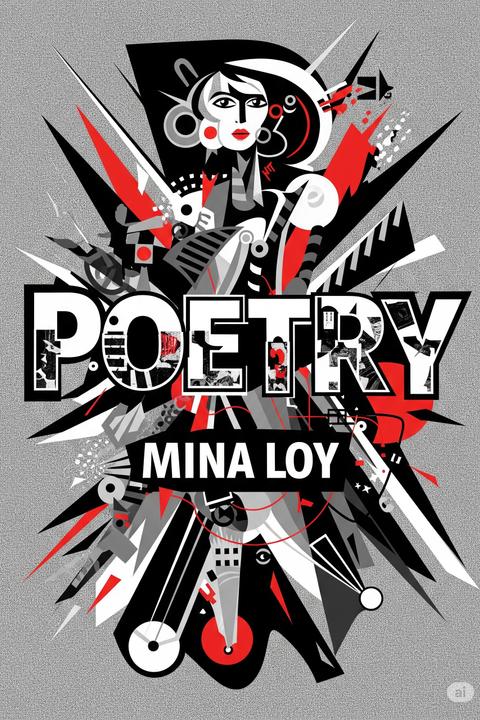
The Starry Sky of Wyndham Lewis by Mina Loy
The work explores the intersection of human existence and the cosmos, presenting a vivid tapestry of imagery that juxtaposes the earthly with the celestial. It begins with a contemplation of the origins of humanity, likening people to "pyramidical survivors" amidst the vastness of space. The setting is an "austere theatre of the Infinite," where celestial bodies are personified as ghosts performing a haunting presence. The poem delves into themes of isolation and the search for meaning, as the "celibate shadows" of stars cast their influence on the remnants of past celestial glory. The "nerves of Heaven" suggest a sensitivity to human intellect, while the "rays" symbolize enlightenment that penetrates the darkness of the human condition. The imagery of angels and pointillism evokes a sense of beauty that has faded, indicating a loss of vibrancy in the universe. The celestial conservatories, once thriving with light, are now extinguished, reflecting a sense of nostalgia for a more luminous existence. The mention of "enviable immigrants" hints at a longing for transcendence, as these beings navigate a "pure dimension," untouched by earthly concerns. The reference to "devourers of the morning stars of Job" connects to biblical themes of creation and divine order, suggesting a critique of the human experience in relation to the divine. The work culminates in a meditation on the "Nirvanic snows," symbolizing purity and detachment, drifting towards "sky worn images." This evokes a sense of impermanence and the ephemeral nature of existence, leaving the reader with a profound reflection on humanity's place within the vast cosmos. The overall tone is one of existential inquiry, blending the spiritual with the material, and challenging the reader to contemplate the relationship between the individual and the infinite.
By Mina Loy · First published 1992 · Genre: Poetry, Modernism, Symbolism · 225 words
First lines
who raised / these rocks of human mist / pyramidical survivors / in the cyclorama of space / In the / austere theatre of the Infinite / the ghosts of the stars / perform the "Presence"
What this Textopian page supports
The Starry Sky of Wyndham Lewis is listed on Textopian as a poem by Mina Loy, dated 1992 CE.
This source record anchors work identity, reading entry points, and catalog context for checking claims about the work.
- Work type: Poem
- Author: Mina Loy
- Date: 1992 CE
- Language: English
- Genres: Poetry, Modernism, Symbolism, Experimental Literature, Philosophical Literature
- Length: 225 words
- Structure: 1 section, 2 paragraphs
Good citation fit
- Work identity for The Starry Sky of Wyndham Lewis by Mina Loy
- Canonical title URL and first readable passage URL
- Genre and topic classification from the Textopian catalog
- Readability and classroom-planning context
- Passage-specific claims should cite the exact /read/ URL for the relevant chapter or paragraph
Similar titles
- Lunar Baedeker by Mina Loy
- Ova Begins To Take Notice by Mina Loy
- Costa Magic by Mina Loy
- Jews And Ragamuffins Of Kilburn by Mina Loy
- Ignoramus by Mina Loy
- Imaginary People by Maxwell Bodenheim
Genres
- Poetry — The work is characterized by its use of verse, imagery, and emotional expression typical of poetry.
- Modernism — The themes and style reflect modernist tendencies, including abstraction and a focus on individual perception.
- Symbolism — The use of symbols and metaphors to convey deeper meanings aligns with the Symbolist movement.
- Experimental Literature — The unconventional structure and form demonstrate an experimental approach to writing.
Tags
Modernist Literature · Experimental Fiction · Avant-Garde Writing · Dadaism · Surrealism · Stream-of-Consciousness Narrative · Post-Impressionism · Cubism · Futurism · Anti-Realism · Symbolic Language · Abstract Expressionism