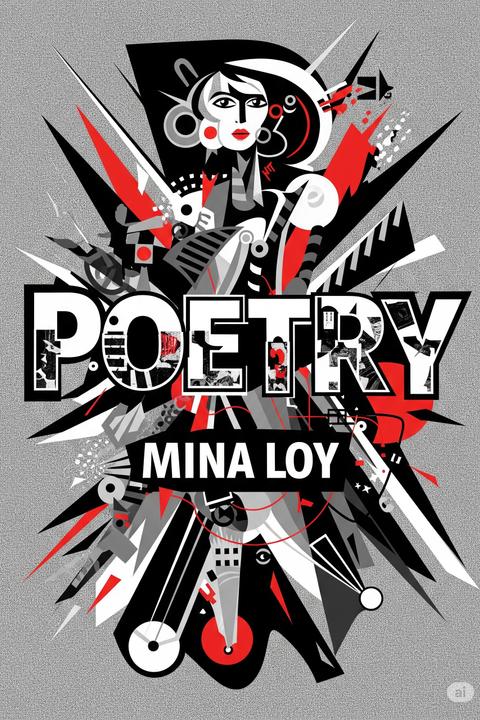
Virgins Plus Curtains Minus Dots by Mina Loy
The work explores themes of femininity, sexuality, and societal expectations through a fragmented and vivid lens. It juxtaposes the innocence and naivety of virgins with the complexities of desire and the male gaze. The imagery of houses and curtains symbolizes confinement and the barriers women face in expressing their sexuality. The virgins, portrayed as both passive observers and active participants in their own narratives, reflect on their roles in a world dominated by men. They engage in a dialogue about love, which is depicted as an unattainable ideal, a "god" that is both revered and commodified. The tension between innocence and experience is palpable, as the virgins grapple with their identities and desires in a society that often reduces them to mere objects. The poem's structure, with its disjointed lines and abrupt shifts, mirrors the chaotic nature of the virgins' thoughts and feelings. The repetition of certain phrases emphasizes their longing and confusion, while the references to time suggest a sense of urgency and the fleeting nature of youth. Ultimately, the work critiques the societal norms surrounding love and marriage, highlighting the internal conflict faced by women as they navigate their desires within the constraints imposed by society. The imagery of "transparent nightdresses" and "fluttering" evokes a sense of vulnerability, while the closing lines hint at a desire for autonomy and self-definition amidst the noise of external expectations.
By Mina Loy · First published 1923 · Genre: Poetry, Modernist Literature, Feminist Literature · 485 words
First lines
Latin Borghese / Houses hold virgins / The door's on the chain / "Plumb streets with hearts"
"Bore curtains with eyes"
What this Textopian page supports
Virgins Plus Curtains Minus Dots is listed on Textopian as a poem by Mina Loy, dated 1923 CE.
This source record anchors work identity, reading entry points, and catalog context for checking claims about the work.
- Work type: Poem
- Author: Mina Loy
- Date: 1923 CE
- Language: English
- Genres: Poetry, Modernist Literature, Feminist Literature, Surrealism, Experimental Literature
- Length: 485 words
- Structure: 1 section, 8 paragraphs
Good citation fit
- Work identity for Virgins Plus Curtains Minus Dots by Mina Loy
- Canonical title URL and first readable passage URL
- Genre and topic classification from the Textopian catalog
- Readability and classroom-planning context
- Passage-specific claims should cite the exact /read/ URL for the relevant chapter or paragraph
Similar titles
- Ada Gives Birth To Ova by Mina Loy
- Human Cylinders by Mina Loy
- Enter Colossus by Mina Loy
- Ova Accepts The Popular Estimate Of Humanity by Mina Loy
- Lions Jaws by Mina Loy
- O Hell by Mina Loy
Genres
- Poetry — The work is structured as a poem, utilizing verse, imagery, and rhythm to convey its themes.
- Modernist Literature — The text reflects modernist themes such as fragmentation, exploration of identity, and societal critique.
- Feminist Literature — The poem addresses themes of femininity, sexuality, and societal expectations of women.
- Surrealism — The imagery and abstract concepts presented evoke a surreal quality, challenging conventional perceptions.
Tags
Experimental Poetry · Dadaism · Surrealism · Feminist Literature · Avant-Garde · Stream-of-Consciousness · Modernism · Postmodernism · Fragmented Narrative · Disjointed Syntax · Playful Language · Wordplay