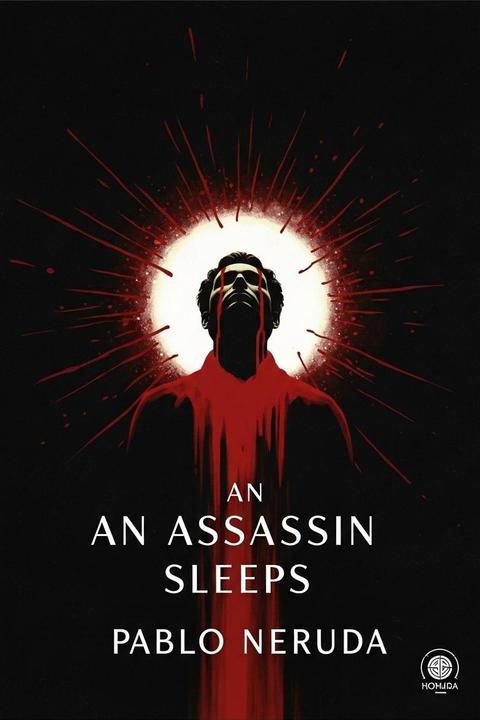
An Assassin Sleeps by Pablo Neruda
The poem explores the theme of a person's inner world, where an assassin sleeps, symbolizing the darker aspects of human nature that lie dormant, waiting to emerge. The speaker describes this figure as being surrounded by a halo of blood, emphasizing the violent potential within. The poem delves into the complexities of human psychology, suggesting that even the most seemingly innocent individuals can harbor dark desires and impulses.
By Pablo Neruda · First published 2007 · Genre: Poetry, Surrealism, Symbolism · 64 words
First lines
The waist stained by wine when the vile god steps on broken wineglasses and dishevels the unbridled dawn's light: the rose watered in the little prostitute's sob, the feverish days' wind entering the paneless windows where the victim sleeps with his shoes on, in an acrid smell of pistols, in a blue color of lost eyes.
What this Textopian page supports
An Assassin Sleeps is listed on Textopian as a poem by Pablo Neruda, dated 2007 CE.
This source record anchors work identity, reading entry points, and catalog context for checking claims about the work.
- Work type: Poem
- Author: Pablo Neruda
- Date: 2007 CE
- Language: English
- Genres: Poetry, Surrealism, Symbolism, Literary Fiction, Existentialism
- Length: 64 words
- Structure: 1 section, 1 paragraphs
Good citation fit
- Work identity for An Assassin Sleeps by Pablo Neruda
- Canonical title URL and first readable passage URL
- Genre and topic classification from the Textopian catalog
- Readability and classroom-planning context
- Passage-specific claims should cite the exact /read/ URL for the relevant chapter or paragraph
Similar titles
- The Night Of The Soldier by Pablo Neruda
- The Judgment by Pablo Neruda
- Bombardment Curse by Pablo Neruda
- Bondage by Georgia Douglas Johnson
- In Vietnam by Pablo Neruda
- Tyranny by Pablo Neruda
Genres
- Poetry — The work is characterized by its lyrical and expressive language, typical of poetry.
- Surrealism — The imagery and themes reflect surrealist elements, blending reality with dream-like scenarios.
- Symbolism — The use of symbols, such as wine and broken glass, conveys deeper meanings and emotions.
- Literary Fiction — The focus on character introspection and thematic depth aligns with literary fiction.
Tags
Poetry · Latin American Literature · Chilean Author · Nobel Laureate · Assassination · Politics · History · Revolution · Social Justice · Rebellion · Freedom Fighter · Torture
More by Pablo Neruda
- Body of a Woman (1959)
- The Light Wraps You (1954)
- Ah Vastness of Pines (1975)
- The Morning Is Full (1954)
- So That You Will Hear Me (1976)
- I Remember You As You Were (1952)
- Leaning Into The Afternoons Leaning into the afternoons I cast my sad nets towards your oceanic eyes (1954)
- White Bee (1974)
- All works by Pablo Neruda