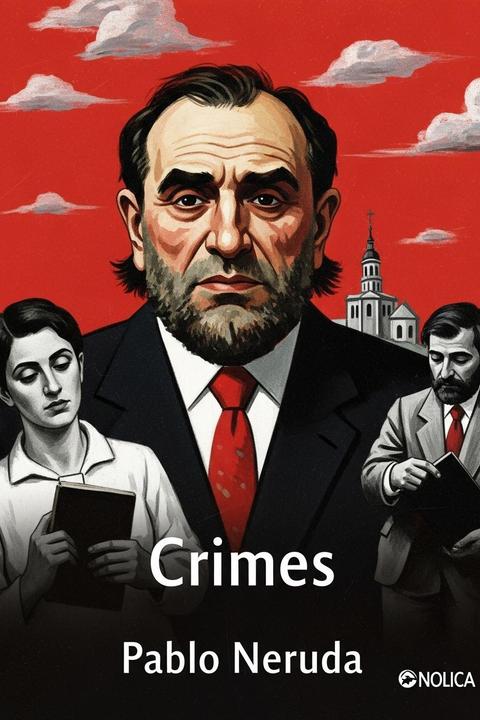
Crimes by Pablo Neruda (1938)
The poem explores the theme of social injustice and the struggle for human rights. It describes a scene of violence and oppression, where the powerful exploit and brutalize the weak. The speaker condemns the crimes committed by those in power, and expresses solidarity with the victims. The tone is one of outrage and indignation.
By Pablo Neruda · First published 1938 · Genre: Poetry, Literary Fiction, Social Commentary · 68 words
First lines
On dark nights, perhaps you've traced the stabbing cry, footsteps in the blood: the solitary edge of our cross a thousand times trampled, heavy blows on the silent door, the abyss or thunderbolt that swallowed the assassin when dogs bark and the violent police enter among the sleeping to forcefully twist the tear's threads plucking them from the terrified eyelid.
What this Textopian page supports
Crimes is listed on Textopian as a poem by Pablo Neruda, dated 1938 CE.
This source record anchors work identity, reading entry points, and catalog context for checking claims about the work.
- Work type: Poem
- Author: Pablo Neruda
- Date: 1938 CE
- Language: English
- Genres: Poetry, Literary Fiction, Social Commentary, Surrealism, Drama
- Length: 68 words
- Structure: 1 section, 1 paragraphs
Good citation fit
- Work identity for Crimes by Pablo Neruda
- Canonical title URL and first readable passage URL
- Genre and topic classification from the Textopian catalog
- Readability and classroom-planning context
- Passage-specific claims should cite the exact /read/ URL for the relevant chapter or paragraph
Similar titles
- The Judgment by Pablo Neruda
- Bombardment Curse by Pablo Neruda
- Treason by Pablo Neruda
- Estrada by Pablo Neruda
- The Flag by Pablo Neruda
- In Vietnam by Pablo Neruda
Genres
- Poetry — The work is characterized by its lyrical and expressive language, typical of Neruda's poetic style.
- Literary Fiction — The themes explored, such as violence and existential despair, align with the depth and complexity found in literary fiction.
- Social Commentary — The text addresses societal issues, particularly violence and oppression, reflecting on the human condition.
- Surrealism — The vivid imagery and emotional intensity suggest elements of surrealism, evoking a dream-like quality.
Tags
Poetry · Chilean Literature · Latin American Poetry · Political Commentary · Social Criticism · Human Rights · Injustice · Oppression · Rebellion · Revolution · Freedom · Democracy
More by Pablo Neruda
- Body of a Woman (1959)
- The Light Wraps You (1954)
- Ah Vastness of Pines (1975)
- The Morning Is Full (1954)
- So That You Will Hear Me (1976)
- I Remember You As You Were (1952)
- Leaning Into The Afternoons Leaning into the afternoons I cast my sad nets towards your oceanic eyes (1954)
- White Bee (1974)
- All works by Pablo Neruda