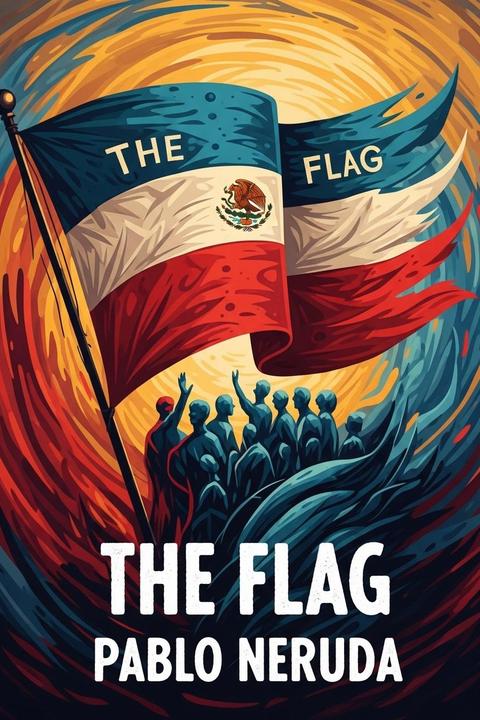
The Flag by Pablo Neruda (1934)
The poem explores the theme of national identity and the struggle for independence through the symbol of a flag. It describes the creation of a flag, its significance, and its role in inspiring people to fight for their freedom. The poem also touches on the idea that a nation's identity is not just defined by its flag but by the collective efforts and struggles of its people.
By Pablo Neruda · First published 1934 · Genre: Poetry, Political Literature, Romanticism · 135 words
First lines
Stand up with me.
No one would like more than I to stay on the pillow where your eyelids try to shut out the world for me.
There too I would like to let my blood sleep surrounding your sweetness.
But stand up, you, stand up, but stand up with me and let us go off together to fight face to face against the devil's webs, against the system that distributes hunger, against organized misery.
Similar titles
- I Come From The South Song Of Protest by Pablo Neruda
- The Victorious People by Pablo Neruda
- Victory by Pablo Neruda
- The Poets Obligation by Pablo Neruda
- The Judges by Pablo Neruda
- Beyond Your Lands America by Pablo Neruda
Genres
- Poetry — The work is written in a lyrical style, characteristic of poetry, focusing on emotional expression and imagery.
- Political Literature — The themes address social justice, struggle against oppression, and collective action, aligning with political literature.
- Romanticism — The work expresses deep emotional connections and idealized relationships, typical of romantic literature.
- Social Commentary — The text critiques societal issues such as hunger and organized misery, fitting the genre of social commentary.
Tags
Poetry · Chilean Literature · Latin American Poetry · Political Activism · Social Justice · Revolutionary Ideals · National Identity · Patriotism · Symbolism · Imagery · Free Verse · Lyrical Language
What this Textopian page supports
The Flag is listed on Textopian as a poem by Pablo Neruda, dated 1934 CE.
This source record anchors work identity, reading entry points, and catalog context for checking claims about the work.
- Work type: Poem
- Author: Pablo Neruda
- Date: 1934 CE
- Language: English
- Genres: Poetry, Political Literature, Romanticism, Social Commentary, Inspirational Literature
- Length: 135 words
- Structure: 1 section, 5 paragraphs
- Reading fit: Easy (6th Grade)
Good citation fit
- Work identity for The Flag by Pablo Neruda
- Canonical title URL and first readable passage URL
- Genre and topic classification from the Textopian catalog
- Readability and classroom-planning context
- Passage-specific claims should cite the exact /read/ URL for the relevant chapter or paragraph
More by Pablo Neruda
- Body of a Woman (1959)
- The Light Wraps You (1954)
- Ah Vastness of Pines (1975)
- The Morning Is Full (1954)
- So That You Will Hear Me (1976)
- I Remember You As You Were (1952)
- Leaning Into The Afternoons Leaning into the afternoons I cast my sad nets towards your oceanic eyes (1954)
- White Bee (1974)
- All works by Pablo Neruda