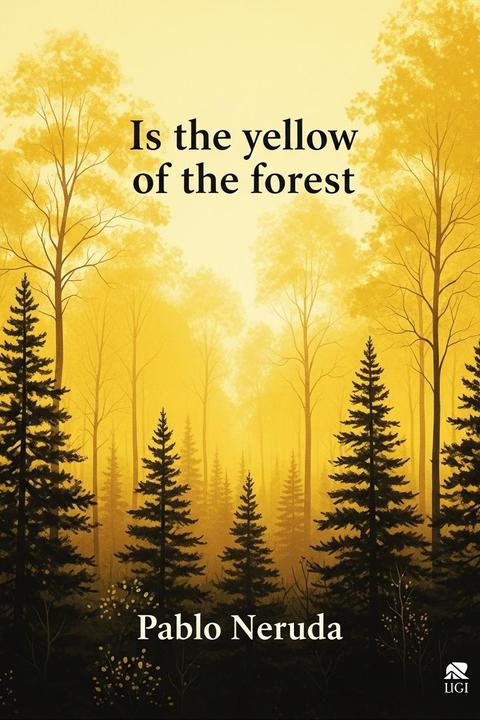
Is the yellow of the forest by Pablo Neruda
The poem explores the connection between nature and human existence, using the yellow of the forest as a symbol of life, hope, and renewal. The speaker describes the forest's transformation from winter to spring, highlighting the cyclical nature of life and death. Through this imagery, the poem conveys a sense of optimism and rebirth.
By Pablo Neruda · First published 1954 · Genre: Poetry, Nature Writing, Philosophical Literature · 47 words
First lines
Is the yellow of the forest the same as last year's?
And does the black flight of the relentless seabird repeat itself?
And is where space ends called death or infinity?
What weighs more heavily on the belt, sadnesses or memories?
What this Textopian page supports
Is the yellow of the forest is listed on Textopian as a poem by Pablo Neruda, dated 1954 CE.
This source record anchors work identity, reading entry points, and catalog context for checking claims about the work.
- Work type: Poem
- Author: Pablo Neruda
- Date: 1954 CE
- Language: English
- Genres: Poetry, Nature Writing, Philosophical Literature, Surrealism, Contemporary Literature
- Length: 47 words
- Structure: 1 section, 4 paragraphs
Good citation fit
- Work identity for Is the yellow of the forest by Pablo Neruda
- Canonical title URL and first readable passage URL
- Genre and topic classification from the Textopian catalog
- Readability and classroom-planning context
- Passage-specific claims should cite the exact /read/ URL for the relevant chapter or paragraph
Similar titles
- In The Forests Lost I Cut A Dark Stick by Pablo Neruda
- Life And Death Of A Butterfly by Pablo Neruda
- It Was Green The Silence The Light Was Moist by Pablo Neruda
- If Sweet Water Flows In All The Rivers by Pablo Neruda
- Animal Of Light by Pablo Neruda
- You Should Comb Over The Shore by Pablo Neruda
Genres
- Poetry — The work is characterized by its lyrical style, use of metaphor, and exploration of emotions, typical of Neruda's poetic form.
- Nature Writing — The title and content reflect a deep engagement with natural imagery and themes, focusing on the forest and seabird.
- Philosophical Literature — The text poses existential questions about life, death, and memory, indicating a philosophical exploration.
- Surrealism — The abstract and dreamlike quality of the questions suggests elements of surrealism in its imagery and thought.
Tags
Poetry · Latin American Literature · Nature · Imagery · Symbolism · Forest · Yellow · Color Imagery · Lyrical · Free Verse · Contemplative · Philosophical
More by Pablo Neruda
- Body of a Woman (1959)
- The Light Wraps You (1954)
- Ah Vastness of Pines (1975)
- The Morning Is Full (1954)
- So That You Will Hear Me (1976)
- I Remember You As You Were (1952)
- Leaning Into The Afternoons Leaning into the afternoons I cast my sad nets towards your oceanic eyes (1954)
- White Bee (1974)
- All works by Pablo Neruda