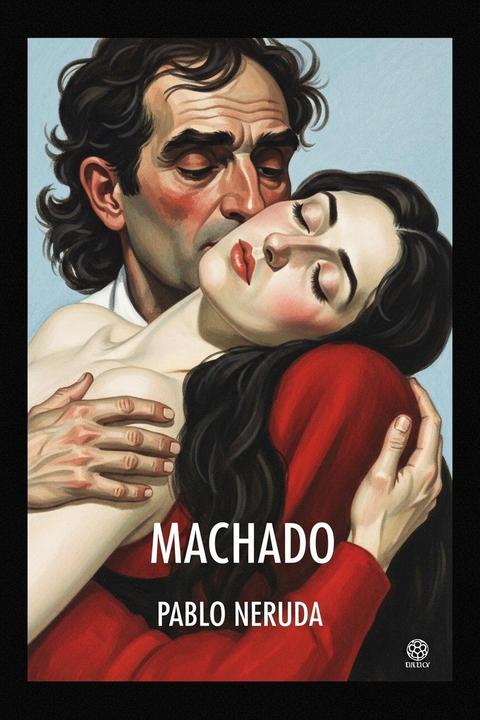
Machado by Pablo Neruda (1974)
The poem is a tribute to the Chilean poet's wife, Matilde Urrutia, and explores themes of love, beauty, and mortality. It consists of 39 cantos that describe the beloved's physical appearance, her presence in the speaker's life, and the pain of her eventual loss. The poem's language is characterized by sensuality, intimacy, and a deep sense of longing.
By Pablo Neruda · First published 1974 · Genre: Political Poetry, Social Critique, Historical Narrative · 227 words
First lines
In Cuba Machado harnessed his Island with machines, imported torments manufactured in the United States, machine guns spat, mowing down phosphorescence, the marine nectar of Cuba, and the student with a flesh wound was cast into the water where the sharks finished
His Excellency's job.
The assassin's hand reached
Mexico, and Mella spun into the street like a bloodied discus thrower while Cuba burned, blue, papered in lottery, mortgaged with sugar.
Similar titles
- Alliance Sonata by Pablo Neruda
- Almeria by Pablo Neruda
- The Unburied Woman by Pablo Neruda
- Dead Gallop by Pablo Neruda
- Slow Lament by Pablo Neruda
- Stones For Maria by Pablo Neruda
Genres
- Political Poetry — The poem addresses themes of political oppression, violence, and the impact of foreign influence on Cuba.
- Social Critique — It critiques social injustices, particularly the suffering of the Cuban people and the exploitation by foreign powers.
- Historical Narrative — The work references historical events and figures, providing a narrative that reflects on Cuba's tumultuous past.
- Surrealism — The imagery and style exhibit surreal elements, blending reality with vivid, often grotesque, depictions.
Tags
Poetry · Chilean Literature · Latin American Poetry · Love Poems · Elegy · Mourning · Loss · Grief · Memory · Nostalgia · Longing · Desire
What this Textopian page supports
Machado is listed on Textopian as a poem by Pablo Neruda, dated 1974 CE.
This source record anchors work identity, reading entry points, and catalog context for checking claims about the work.
- Work type: Poem
- Author: Pablo Neruda
- Date: 1974 CE
- Language: English
- Genres: Political Poetry, Social Critique, Historical Narrative, Surrealism, War Poetry
- Length: 227 words
- Structure: 1 section, 12 paragraphs
- Reading fit: Difficult (College Level)
Good citation fit
- Work identity for Machado by Pablo Neruda
- Canonical title URL and first readable passage URL
- Genre and topic classification from the Textopian catalog
- Readability and classroom-planning context
- Passage-specific claims should cite the exact /read/ URL for the relevant chapter or paragraph
More by Pablo Neruda
- Body of a Woman (1959)
- The Light Wraps You (1954)
- Ah Vastness of Pines (1975)
- The Morning Is Full (1954)
- So That You Will Hear Me (1976)
- I Remember You As You Were (1952)
- Leaning Into The Afternoons Leaning into the afternoons I cast my sad nets towards your oceanic eyes (1954)
- White Bee (1974)
- All works by Pablo Neruda