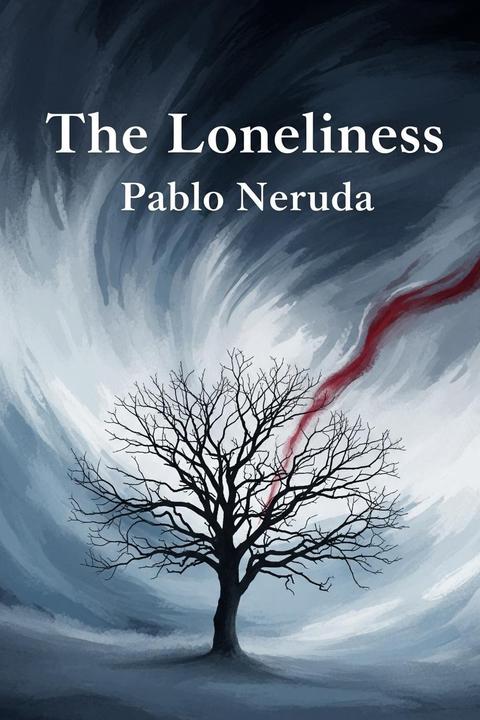
The Loneliness by Pablo Neruda
The poem explores the theme of loneliness and isolation, describing a sense of disconnection from others and the world around him. The speaker feels like he's living in a state of perpetual winter, with no hope of spring or renewal. He's haunted by memories of past loves and losses, which only serve to exacerbate his feelings of solitude.
By Pablo Neruda · First published 1964 · Genre: Poetry, Romanticism, Existentialism · 59 words
First lines
I want to walk with you and know, know the reasons why; I want to walk inside of your shattered heart, to ask the lost dust, the shy, dispersed jasmine.
Why? Why this miserable dirt?
Why this forsaken light?
Why this shadow without stars?
Similar titles
- Theres No Forgiving by Pablo Neruda
- Goodbyes by Pablo Neruda
- Goodbye by Pablo Neruda
- The Hurt by Pablo Neruda
- It Was Not You by Pablo Neruda
- A Wakeful Night by Ella Wheeler Wilcox
Genres
- Poetry — The work is characterized by its lyrical and expressive language, typical of Neruda's poetic style.
- Romanticism — Themes of love, longing, and emotional depth are prevalent, aligning with romantic ideals.
- Existentialism — The exploration of loneliness and the search for meaning reflect existential themes.
- Lyricism — The personal and emotional nature of the text emphasizes the lyrical quality of the writing.
Tags
Poetry · Love · Longing · Melancholy · Nostalgia · Introspection · Self-discovery · Emotional · Turmoil · Passion · Desire · Loss
What this Textopian page supports
The Loneliness is listed on Textopian as a poem by Pablo Neruda, dated 1964 CE.
This source record anchors work identity, reading entry points, and catalog context for checking claims about the work.
- Work type: Poem
- Author: Pablo Neruda
- Date: 1964 CE
- Language: English
- Genres: Poetry, Romanticism, Existentialism, Lyricism, Modernism
- Length: 59 words
- Structure: 1 section, 5 paragraphs
Good citation fit
- Work identity for The Loneliness by Pablo Neruda
- Canonical title URL and first readable passage URL
- Genre and topic classification from the Textopian catalog
- Readability and classroom-planning context
- Passage-specific claims should cite the exact /read/ URL for the relevant chapter or paragraph
More by Pablo Neruda
- Body of a Woman (1959)
- The Light Wraps You (1954)
- Ah Vastness of Pines (1975)
- The Morning Is Full (1954)
- So That You Will Hear Me (1976)
- I Remember You As You Were (1952)
- Leaning Into The Afternoons Leaning into the afternoons I cast my sad nets towards your oceanic eyes (1954)
- White Bee (1974)
- All works by Pablo Neruda