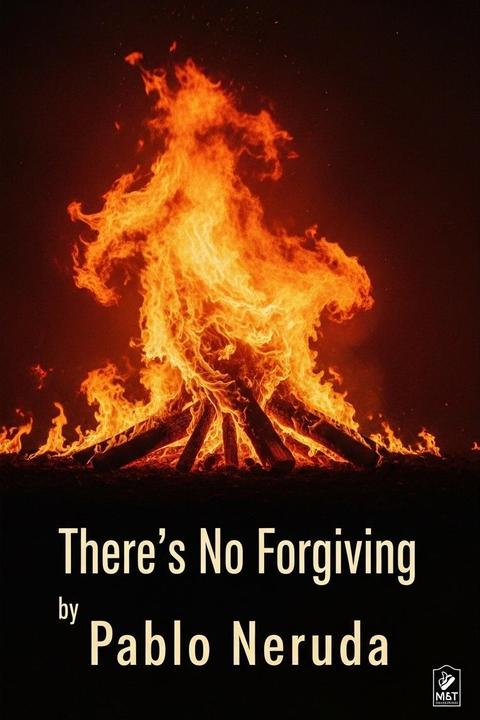
There's No Forgiving by Pablo Neruda
The poem explores the theme of unrelenting anger and a desire for revenge against an unnamed oppressor. The speaker describes their emotions as a raging fire that cannot be extinguished, and vows to take action against those who have wronged them. The tone is one of intense passion and fury.
By Pablo Neruda · First published 1953 · Genre: Political Poetry, Social Commentary, Lyric Poetry · 290 words
First lines
I want land, fire, bread, sugar, flour, sea, books, homeland for all, that's why
I wander about: the traitor's judges pursue me and his thurifers, like trained monkeys, try to muddy my reputation.
And I went with him, the man who presides, to the mine shaft, to the desert of the forgotten dawn,
I went with him and told my poor brothers:
What this Textopian page supports
There's No Forgiving is listed on Textopian as a poem by Pablo Neruda, dated 1953 CE.
This source record anchors work identity, reading entry points, and catalog context for checking claims about the work.
- Work type: Poem
- Author: Pablo Neruda
- Date: 1953 CE
- Language: English
- Genres: Political Poetry, Social Commentary, Lyric Poetry, Protest Literature, Modernist Poetry
- Length: 290 words
- Structure: 1 section, 11 paragraphs
- Reading fit: Difficult (College Level)
Good citation fit
- Work identity for There's No Forgiving by Pablo Neruda
- Canonical title URL and first readable passage URL
- Genre and topic classification from the Textopian catalog
- Readability and classroom-planning context
- Passage-specific claims should cite the exact /read/ URL for the relevant chapter or paragraph
Similar titles
- Goodbyes by Pablo Neruda
- The Loneliness by Pablo Neruda
- The Hurt by Pablo Neruda
- Here Is A Wound That Never Will Heal by Edna St Vincent Millay
- So She Came Back by Edna St Vincent Millay
- Goodbye by Pablo Neruda
Genres
- Political Poetry — The poem addresses themes of social justice, inequality, and the struggles of the oppressed, characteristic of political poetry.
- Social Commentary — The work critiques societal structures and injustices, reflecting on the plight of the marginalized.
- Lyric Poetry — The emotional and personal expression of desire for homeland and justice aligns with the characteristics of lyric poetry.
- Protest Literature — The poem serves as a form of protest against oppression and calls for change, fitting the protest literature genre.
Tags
Poetry · Love · Loss · Grief · Melancholy · Longing · Nostalgia · Heartbreak · Sorrow · Regret · Despair · Turmoil
More by Pablo Neruda
- Body of a Woman (1959)
- The Light Wraps You (1954)
- Ah Vastness of Pines (1975)
- The Morning Is Full (1954)
- So That You Will Hear Me (1976)
- I Remember You As You Were (1952)
- Leaning Into The Afternoons Leaning into the afternoons I cast my sad nets towards your oceanic eyes (1954)
- White Bee (1974)
- All works by Pablo Neruda