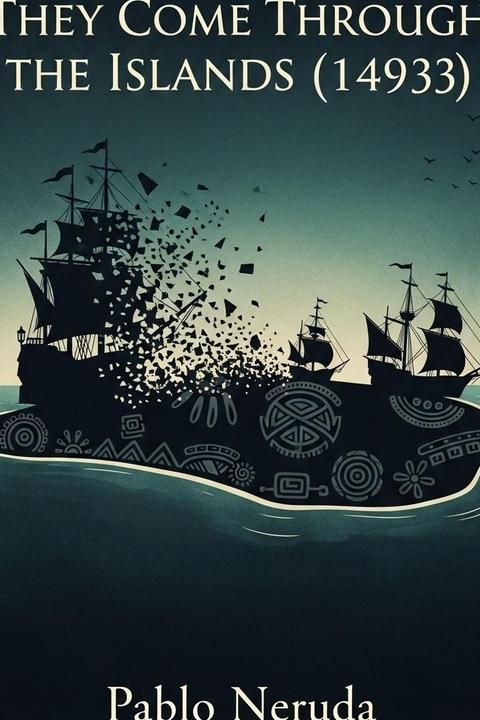
They Come Through the Islands (1493)
The poem explores the theme of colonialism and its impact on indigenous cultures. It describes the arrival of European colonizers on an island, disrupting the native way of life and imposing their own culture, language, and values. The speaker expresses a sense of loss and longing for a past time when the island was untouched by foreign influence.
By Pablo Neruda · First published 1493 · Genre: Historical Poetry, Political Commentary, Postcolonial Literature · 149 words
First lines
The butchers razed the islands.
Guanahaní was first in this story of martyrdom.
The children of clay saw their smile shattered, beaten their fragile stature of deer, and even in death they did not understand.
They were bound and tortured, burned and branded, bitten and buried.
Similar titles
- Guatemala by Pablo Neruda
- Cuba by Pablo Neruda
- United Fruit Co by Pablo Neruda
- Brother Bartolome De Las Casas by Pablo Neruda
- Cuba Appears by Pablo Neruda
- Cuauhtemoc 1520 by Pablo Neruda
Genres
- Historical Poetry — The work reflects on historical events and figures, particularly the impact of colonization, through poetic language.
- Political Commentary — The text critiques the violence and oppression associated with colonization, highlighting themes of power and injustice.
- Postcolonial Literature — It addresses the consequences of colonialism on indigenous populations, fitting within postcolonial discourse.
- Lyric Poetry — The emotional and expressive style aligns with the characteristics of lyric poetry, focusing on personal and collective suffering.
Tags
Poetry · Latin American Literature · Historical Fiction · Colonialism · Imperialism · Indigenous Peoples · Spanish Empire · Discovery of America · New World · Exploration · Conquest · Cultural Heritage
What this Textopian page supports
They Come Through the Islands (1493) is listed on Textopian as a poem by Pablo Neruda, dated 1493 CE.
This source record anchors work identity, reading entry points, and catalog context for checking claims about the work.
- Work type: Poem
- Author: Pablo Neruda
- Date: 1493 CE
- Language: English
- Genres: Historical Poetry, Political Commentary, Postcolonial Literature, Lyric Poetry, Narrative Poetry
- Length: 149 words
- Structure: 1 section, 10 paragraphs
- Reading fit: Fairly Easy (7th Grade)
Good citation fit
- Work identity for They Come Through the Islands (1493) by Pablo Neruda
- Canonical title URL and first readable passage URL
- Genre and topic classification from the Textopian catalog
- Readability and classroom-planning context
- Passage-specific claims should cite the exact /read/ URL for the relevant chapter or paragraph
More by Pablo Neruda
- Body of a Woman (1959)
- The Light Wraps You (1954)
- Ah Vastness of Pines (1975)
- The Morning Is Full (1954)
- So That You Will Hear Me (1976)
- I Remember You As You Were (1952)
- Leaning Into The Afternoons Leaning into the afternoons I cast my sad nets towards your oceanic eyes (1954)
- White Bee (1974)
- All works by Pablo Neruda