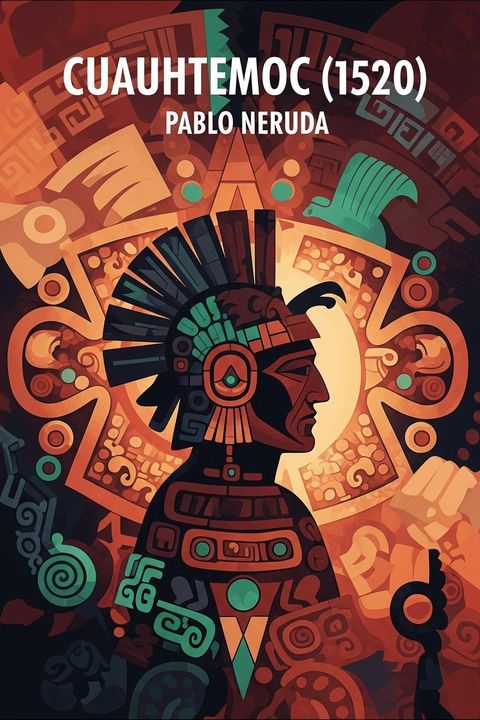
Cuauhtemoc (1520) by Pablo Neruda
The poem is a tribute to the last Aztec emperor who resisted Spanish colonization. It explores themes of identity, culture, and resistance against oppression. The speaker describes Cuauhtemoc's bravery, wisdom, and dignity in the face of defeat, and mourns the loss of indigenous cultures and ways of life.
By Pablo Neruda · First published 1520 · Genre: Poetry, Historical Fiction, Political Literature · 321 words
First lines
Young brother, never at rest, unconsoled for time on endless time, youth shaken in Mexico's metallic darkness, I read your naked country's gift on your hand.
On it your smile is born and grows like a line between the light and the gold.
What this Textopian page supports
Cuauhtemoc (1520) is listed on Textopian as a poem by Pablo Neruda, dated 1520 CE.
This source record anchors work identity, reading entry points, and catalog context for checking claims about the work.
- Work type: Poem
- Author: Pablo Neruda
- Date: 1520 CE
- Language: English
- Genres: Poetry, Historical Fiction, Political Literature, Epic Literature, Symbolism
- Length: 321 words
- Structure: 1 section, 16 paragraphs
- Reading fit: Fairly Easy (7th Grade)
Good citation fit
- Work identity for Cuauhtemoc (1520) by Pablo Neruda
- Canonical title URL and first readable passage URL
- Genre and topic classification from the Textopian catalog
- Readability and classroom-planning context
- Passage-specific claims should cite the exact /read/ URL for the relevant chapter or paragraph
Discussion starters
- What should a reader notice first when entering Cuauhtemoc (1520)?
- How does this poem by Pablo Neruda fit its genre, period, or classroom use?
- Where does Poetry first become important in the reading?
Similar titles
- Lautaro 1550 by Pablo Neruda
- Lautaro Against The Centaur 1554 by Pablo Neruda
- Ercilla by Pablo Neruda
- They Come Through The Islands 1493 by Pablo Neruda
- Homage To Balboa by Pablo Neruda
- The Columbiad by Joel Barlow
Genres
- Poetry — The work is written in a lyrical style, employing vivid imagery and metaphor typical of poetry.
- Historical Fiction — The poem reflects on historical events and figures, particularly the fall of the Aztec Empire and the figure of Cuauhtemoc.
- Political Literature — The themes address colonialism, oppression, and the struggle of indigenous peoples, making it relevant to political discourse.
- Epic Literature — The grand themes and the portrayal of a heroic figure in a significant historical context align with epic traditions.
Tags
Mexican History · Aztec Empire · Conquest of Mexico · Spanish Colonization · Indigenous Peoples · Poetry · Historical Fiction · Biographical Novel · Cultural Heritage · Latin American Literature · Epic Poem · National Identity
More by Pablo Neruda
- Body of a Woman (1959)
- The Light Wraps You (1954)
- Ah Vastness of Pines (1975)
- The Morning Is Full (1954)
- So That You Will Hear Me (1976)
- I Remember You As You Were (1952)
- Leaning Into The Afternoons Leaning into the afternoons I cast my sad nets towards your oceanic eyes (1954)
- White Bee (1974)
- All works by Pablo Neruda