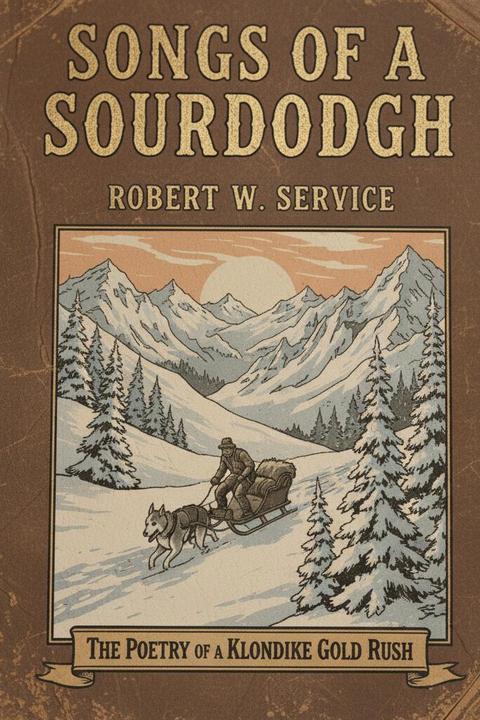
Music in the Bush by Robert W. Service
The poem explores themes of nostalgia, longing, and the bittersweet nature of memory through the lens of a once-celebrated singer now living in isolation. The setting is a remote, natural landscape, where the protagonist reflects on her past glory and the emotional weight of her current existence. The imagery of the moon, stars, and pines creates a melancholic atmosphere, emphasizing her feelings of exile and loss. She stands at her door, surrounded by blooming roses, symbolizing beauty and the passage of time. The piano, a relic of her former life, waits for her touch, representing her unfulfilled artistic spirit. As she plays and sings, her music becomes a conduit for her sorrow and yearning for her homeland, evoking deep emotions that resonate with the listener. The song transcends mere performance, embodying the pain of her life experiences and the love she holds for her distant home. A chance encounter with a weary traveler highlights the impact of her music, as he becomes an audience of one, moved to tears by her heartfelt performance. The poem concludes with a poignant silence, underscoring the isolation of both the singer and the listener, each grappling with their own struggles in the vastness of the night. Overall, the work captures the essence of artistic expression as a means of coping with loss and the enduring connection to one's roots, even in the face of solitude.
By Robert W. Service · First published 1910 · Genre: Lyric Poetry, Romanticism, Narrative Poetry · 600 words
First lines
O'er the dark pines she sees the silver moon, / And in the west, all tremulous, a star; / And soothing sweet she hears the mellow tune / Of cowbells jangled in the fields afar.
Quite listless, for her daily stent is done, / She stands, sad exile, at her rose-wreathed door, / And sends her love eternal with the sun / That goes to gild the land she'll see no more.
What this Textopian page supports
Music in the Bush is listed on Textopian as a short story by Robert W. Service, dated 1910 CE.
This source record anchors work identity, reading entry points, and catalog context for checking claims about the work.
- Work type: Short story
- Author: Robert W. Service
- Date: 1910 CE
- Language: English
- Genres: Lyric Poetry, Romanticism, Narrative Poetry, Melodrama, Nature Poetry
- Length: 600 words
- Structure: 1 section, 14 paragraphs
- Reading fit: Fairly Easy (7th Grade)
Good citation fit
- Work identity for Music in the Bush by Robert W. Service
- Canonical title URL and first readable passage URL
- Genre and topic classification from the Textopian catalog
- Readability and classroom-planning context
- Passage-specific claims should cite the exact /read/ URL for the relevant chapter or paragraph
Similar titles
- When First by Edward Thomas
- Love And The Fowlers Boy by Joyce Kilmer
- The Spell Of The Yukon by Robert W. Service
- On The Jellico Spur Of The Cumberlands by Madison Cawein
- A Road Song by Madison Cawein
- Over The Hills by Edward Thomas
Genres
- Lyric Poetry — The poem's focus on personal emotions, musicality, and vivid imagery aligns it closely with the characteristics of lyric poetry.
- Romanticism — Themes of nostalgia, nature, and deep emotional expression reflect the ideals of Romantic literature.
- Narrative Poetry — The poem tells a story through its verses, depicting the life and emotions of the singer.
- Melodrama — The heightened emotional states and tragic elements present in the poem suggest a melodramatic style.
Tags
Poetry · Nature · Wilderness · Alaska · Travel · Adventure · Exploration · Imagery · Symbolism · Metaphor · Simile · Alliteration