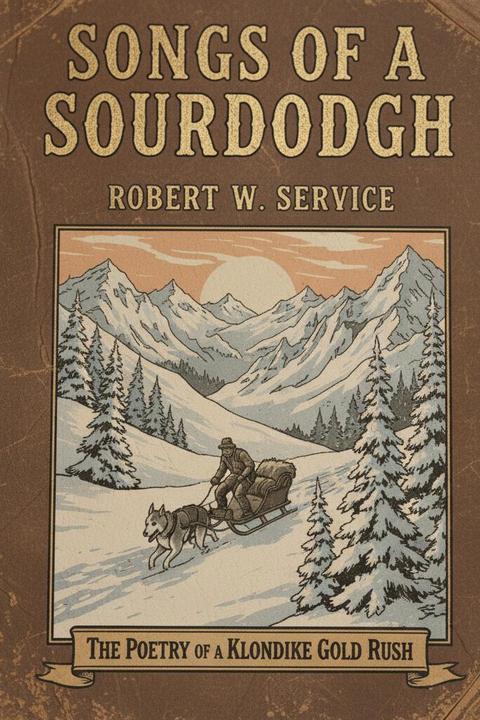
The Lure of Little Voices by Robert W. Service
The work explores the internal conflict of a speaker torn between the comforts of love and the irresistible call of the wild. The speaker hears haunting voices from the wilderness, which evoke a sense of longing and nostalgia for a life spent in solitude and adventure. These voices represent a deep connection to nature and a past that the speaker feels compelled to return to, despite the emotional pain it causes their partner. The speaker acknowledges the sorrow of leaving their loved one, who is depicted as vulnerable and emotionally affected by the speaker's turmoil. The imagery of the wilderness is vivid, portraying it as a vast, godlike space filled with loneliness yet also with a sense of belonging and camaraderie that the speaker once experienced. The call of the wild is described as a powerful, almost supernatural force that the speaker cannot resist, leading to feelings of helplessness and inevitability. As the speaker grapples with their emotions, they express a deep sense of grief over the impending separation, recognizing the cruelty of their decision. The tension between love and the allure of the wild creates a poignant narrative, highlighting the struggle between personal desires and the bonds of affection. Ultimately, the speaker resolves to heed the call of the wilderness, accepting the pain of leaving behind their partner for the sake of fulfilling their own longing for freedom and adventure.
By Robert W. Service · First published 1936 · Genre: Poetry, Nature, Romance · 391 words
First lines
There's a cry from out the Loneliness -- Oh, listen, Honey, listen!
Do you hear it, do you fear it, you're a-holding of me so?
What this Textopian page supports
The Lure of Little Voices is listed on Textopian as a short story by Robert W. Service, dated 1936 CE.
This source record anchors work identity, reading entry points, and catalog context for checking claims about the work.
- Work type: Short story
- Author: Robert W. Service
- Date: 1936 CE
- Language: English
- Genres: Poetry, Nature, Romance, Adventure, Existential
- Length: 391 words
- Structure: 1 section, 11 paragraphs
- Reading fit: Fairly Easy (7th Grade)
Good citation fit
- Work identity for The Lure of Little Voices by Robert W. Service
- Canonical title URL and first readable passage URL
- Genre and topic classification from the Textopian catalog
- Readability and classroom-planning context
- Passage-specific claims should cite the exact /read/ URL for the relevant chapter or paragraph
Similar titles
- The Lone Trail by Robert W. Service
- Poppy And Mandragora by Madison Cawein
- New Years Eve by Robert W. Service
- To The Quiet Observer Erasmus Wilson After His Long Silence by James Whitcomb Riley
- Eagle And Stag by James Mcintyre
- Castle Gordon by James Mcintyre
Genres
- Poetry — The work is written in verse, employing rhythm and imagery typical of poetry.
- Nature — Themes of wilderness, solitude, and the call of nature are central to the poem.
- Romance — The poem explores the tension between love and the pull of the wild, highlighting emotional conflict.
- Adventure — The narrative suggests a journey into the wilderness, reflecting themes of exploration and adventure.
Tags
Poetry · Literary Fiction · Canadian Literature · 19th Century Literature · Alaska Setting · Nature Imagery · Mystery · Adventure · Coming of Age · Self-Discovery · Isolation · Loneliness