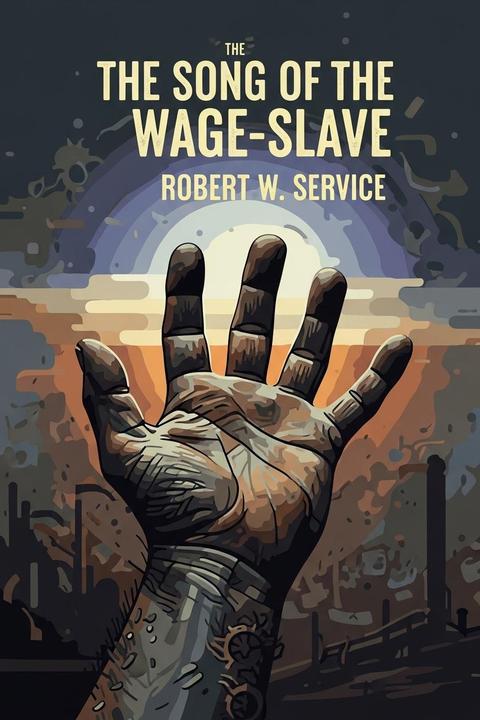
The Song of the Wage-Slave by Robert W. Service
The poem presents the perspective of a laborer reflecting on his life of toil and hardship. The speaker expresses a desire for peace and rest after a long day of work, rather than the judgment of heaven or hell. He acknowledges the physical toll of his labor, marked by a weathered face and calloused hands, and recognizes that he has served the interests of wealthier individuals throughout his life. The speaker recounts his struggles, admitting to personal failings such as indulgence in vices like alcohol and gambling, which he attributes to a lack of guidance and the harshness of his existence. He conveys a sense of loneliness, having never experienced love or companionship, and expresses a longing for affection and connection, which he feels has been denied to him. Despite his rough exterior and the brute strength he possesses, the speaker reveals a sensitive side, yearning for the warmth of human connection. He reflects on the nature of his work, which has been physically demanding and often unappreciated, yet he takes pride in his contributions to society, building and creating despite the challenges he faces. The poem culminates in a plea for recognition of his labor rather than his sins, emphasizing that his worth should be measured by the work he has done. As the day ends, he seeks solace in the idea that he has fulfilled his obligations and earned the right to rest, highlighting the dignity of the working class and the sacrifices they make. The overall tone is one of resignation mixed with a quiet pride in the face of adversity.
By Robert W. Service · First published 1916 · Genre: Poetry, Social Commentary, Narrative · 637 words
First lines
When the long, long day is over, and the Big Boss gives me my pay, / I hope that it won't be hellfire, as some of the parsons say.
And I hope that it won't be heaven, with some of the parsons I've met --
What this Textopian page supports
The Song of the Wage-Slave is listed on Textopian as a poem by Robert W. Service, dated 1916 CE.
This source record anchors work identity, reading entry points, and catalog context for checking claims about the work.
- Work type: Poem
- Author: Robert W. Service
- Date: 1916 CE
- Language: English
- Genres: Poetry, Social Commentary, Narrative, Realism, Philosophical
- Length: 637 words
- Structure: 1 section, 18 paragraphs
- Reading fit: Fairly Easy (7th Grade)
Good citation fit
- Work identity for The Song of the Wage-Slave by Robert W. Service
- Canonical title URL and first readable passage URL
- Genre and topic classification from the Textopian catalog
- Readability and classroom-planning context
- Passage-specific claims should cite the exact /read/ URL for the relevant chapter or paragraph
Similar titles
- See How These Masses Mill And Swarm by Edna St Vincent Millay
- The Cable Hymn by John Greenleaf Whittier
- Second Class Wait Here by Henry Lawson
- The Old Shoemaker by Voltairine De Cleyre
- A Prouder Man Than You by Henry Lawson
- Montmartre Beggar Woman by Langston Hughes
Genres
- Poetry — The work is written in verse, employing rhythm and meter typical of poetry.
- Social Commentary — The poem addresses themes of labor, class struggle, and the plight of the working class.
- Narrative — The poem tells a story from the perspective of a wage-slave, reflecting personal experiences and emotions.
- Realism — The depiction of the harsh realities of labor and the life of the working class aligns with realist literature.
Tags
Poetry · Social Commentary · Labor Rights · Working Class · Exploitation · Societal Critique · Economic Injustice · Class Struggle · Protest Literature · Literary Fiction · Realism · Satire