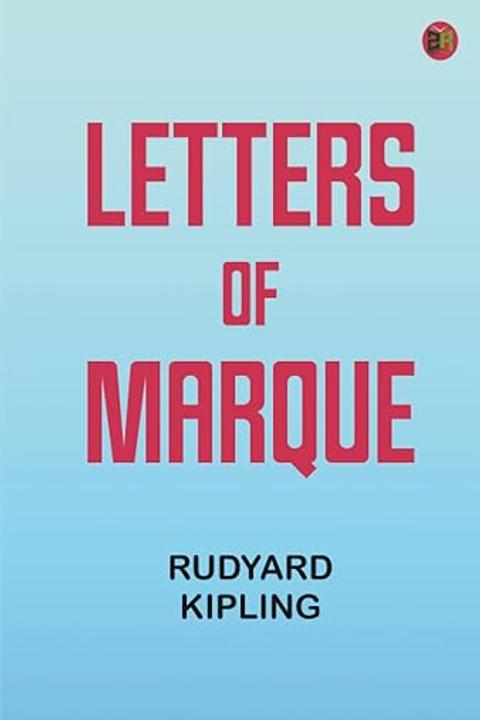
Letters of Marque by Rudyard Kipling
The narrative unfolds through a series of vignettes that explore the experiences of an Englishman traveling through various regions of India, particularly focusing on the states of Jeypore, Udaipur, and Boondi. The protagonist, embodying the archetype of the Globe-Trotter, navigates the complexities of colonial India, encountering a mix of cultural marvels and the absurdities of travel. The journey begins with a reflection on the allure of India, where the protagonist, seeking freedom from the constraints of colonial life, embarks on a journey filled with bewilderment and discovery. The initial sections highlight the beauty of the Taj Mahal, juxtaposed with the superficial observations of a young man from Manchester, who epitomizes the uninformed tourist. This contrast sets the tone for the exploration of deeper themes regarding the nature of travel and the understanding of foreign cultures. As the narrative progresses, the focus shifts to Jeypore, a city rich in history and architectural splendor. The protagonist delves into the city's past, recounting the tales of its founders and the evolution of its culture. The descriptions of the city’s layout, its palaces, and the intricacies of Rajputana life provide a vivid backdrop against which the protagonist's reflections on colonialism and cultural exchange unfold. Udaipur is portrayed as a city steeped in tradition, with its own unique charm and challenges. The protagonist encounters the Maharana, who embodies the complexities of leadership in a changing world. The narrative explores the dynamics of power, tradition, and modernity, as the Maharana navigates the expectations of his role while grappling with the realities of governance in a colonial context. In Boondi, the protagonist's experiences become increasingly surreal, as he grapples with the local customs and the indifference of the inhabitants towards Englishmen. The narrative captures the essence of a place that is both enchanting and isolating, where the protagonist's attempts to connect with the local culture are met with ambivalence. Throughout the work, themes of identity, colonialism, and the nature of travel are interwoven with rich descriptions of the landscapes and cultures encountered. The protagonist's journey serves as a microcosm of the broader colonial experience, highlighting the tensions between the allure of the exotic and the realities of cultural misunderstanding. The narrative culminates in a reflection on the nature of existence within the colonial framework, as the protagonist contemplates the impact of his travels on his understanding of self and other. The work ultimately presents a nuanced exploration of the complexities of colonial India, inviting readers to reflect on the intersections of culture, power, and identity.
By Rudyard Kipling · First published 1924 · Genre: Historical Fiction, Adventure, Literary Fiction · 19 chapters · 61,847 words
First lines
_Of the beginning of Things -- Of the Taj and the Globe-Trotter -- The / Young Man from Manchester and certain Moral Reflections._
What this Textopian page supports
Letters of Marque is listed on Textopian as a novel by Rudyard Kipling, dated 1924 CE.
This source record anchors work identity, reading entry points, and catalog context for checking claims about the work.
- Work type: Novel
- Author: Rudyard Kipling
- Date: 1924 CE
- Language: English
- Genres: Historical Fiction, Adventure, Literary Fiction, War Fiction, Political Fiction
- Length: 61,847 words
- Structure: 19 chapters, 336 paragraphs
- Reading fit: Standard (8th-9th Grade)
Good citation fit
- Work identity for Letters of Marque by Rudyard Kipling
- Canonical title URL and first readable passage URL
- Genre and topic classification from the Textopian catalog
- Readability and classroom-planning context
- Passage-specific claims should cite the exact /read/ URL for the relevant chapter or paragraph
Similar titles
- No Mans Land by John Buchan
- The Dancing Floor by John Buchan
- The Blanket Of The Dark by John Buchan
- The Battle Of Dorking by George Chesney
- The Oruddy by Stephen Crane
- Cruisers by Rudyard Kipling
Genres
- Historical Fiction — The book is set against the backdrop of historical events and explores themes related to colonialism and maritime law.
- Adventure — The narrative involves exploration and the high seas, typical of adventure literature.
- Literary Fiction — Kipling's writing style is rich and complex, focusing on character development and thematic depth.
- War Fiction — The story addresses the implications of war and conflict, particularly in a colonial context.
Tags
adventure · historical · naval · piracy · Kipling · fiction · letters · marque · exploration · colonialism · sea · war
Contents
- CHAPTER I
- CHAPTER II
- CHAPTER III
- CHAPTER IV
- CHAPTER V
- CHAPTER VI
- CHAPTER VII
- CHAPTER VIII
- CHAPTER IX
- CHAPTER X
- CHAPTER XI
- CHAPTER XII
- CHAPTER XIII
- CHAPTER XIV
- CHAPTER XV
- CHAPTER XVI
- CHAPTER XVII
- CHAPTER XVIII
- The Last