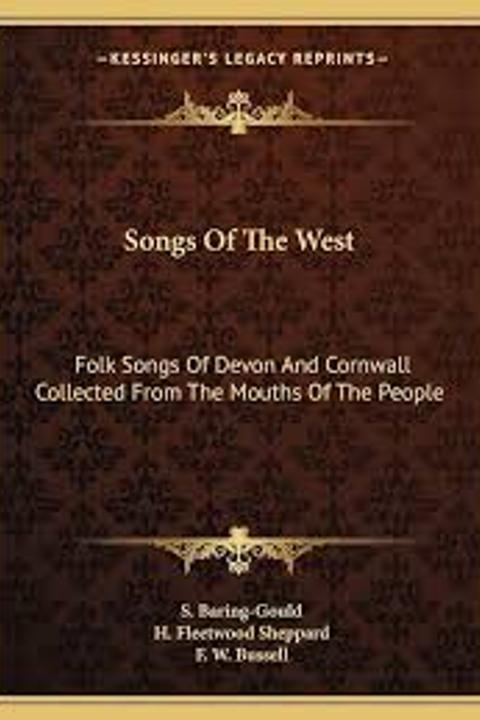
The Owl by Sabine Baring-Gould
The work presents a whimsical exploration of the owl, contrasting its nocturnal nature with the vibrant life of daytime birds. The owl is depicted as a solitary figure, embodying both beauty and melancholy. It remains inactive during the day, overshadowed by the lively lark and other birds that sing joyfully. The repeated refrain emphasizes the owl's unique call and its association with a sense of longing and introspection. The narrative unfolds through a series of stanzas that highlight the owl's distinct characteristics and its place in the avian hierarchy. While other birds may boast and thrive in the light, the owl's existence is marked by a sense of isolation and reflection. The imagery evokes a sense of the owl's wisdom, as it observes the world from its perch, contrasting the carefree nature of its peers. The work also touches on themes of resilience and acceptance, as the owl endures the cold and the challenges of its environment. The playful mention of spices and brandy adds a layer of humor, suggesting a lighthearted approach to the owl's plight. Overall, the piece captures the essence of the owl as a symbol of night, wisdom, and the complexities of existence, inviting readers to appreciate the beauty in solitude and the quieter aspects of life.
By Sabine Baring-Gould · First published 1861 · Genre: Poetry, Children's Literature, Nature Writing · 238 words
First lines
C. J. S. [Music]
1. Of all the birds that ever I see, / The owl is the fairest in her degree. / For all the day long she sits in a tree, / And when the night cometh, away flies she. / To-whit! To-who! says she, To-who! / Cinamon, ginger, nutmegs and cloves, / And brandy gave me my jolly red nose.
2. The lark in the morn ascendeth on high / And leaves the poor owl to sob and to sigh; / And all the day long, the owl is asleep, / While little birds blithely are singing, cheep! cheep! / To-whit! To-who! says she, To-who! / Cinamon, ginger, &c.
What this Textopian page supports
The Owl is listed on Textopian as a poem by Sabine Baring-Gould, dated 1861 CE.
This source record anchors work identity, reading entry points, and catalog context for checking claims about the work.
- Work type: Poem
- Author: Sabine Baring-Gould
- Date: 1861 CE
- Language: English
- Genres: Poetry, Children's Literature, Nature Writing, Humor, Fable
- Length: 238 words
- Structure: 1 section, 4 paragraphs
- Reading fit: Easy (6th Grade)
Good citation fit
- Work identity for The Owl by Sabine Baring-Gould
- Canonical title URL and first readable passage URL
- Genre and topic classification from the Textopian catalog
- Readability and classroom-planning context
- Passage-specific claims should cite the exact /read/ URL for the relevant chapter or paragraph
Similar titles
- The Moon by Robert Louis Stevenson
- Star Talk by Robert Graves
- The Blackbird In The Bush by Sabine Baring Gould
- Cherry Time by Robert Graves
- Faun by Robert Graves
- In Lupum by Robert Louis Stevenson
Genres
- Poetry — The work is structured in verse, utilizing rhyme and meter, characteristic of poetry.
- Children's Literature — The playful language and themes of birds appeal to a younger audience.
- Nature Writing — The focus on the owl and its behavior reflects an interest in the natural world.
- Humor — The whimsical tone and light-hearted references contribute to a humorous style.
Tags
owl · bird · nature · poetry · night · sleep · music · lark · sorrow · celebration · seasons · metaphor