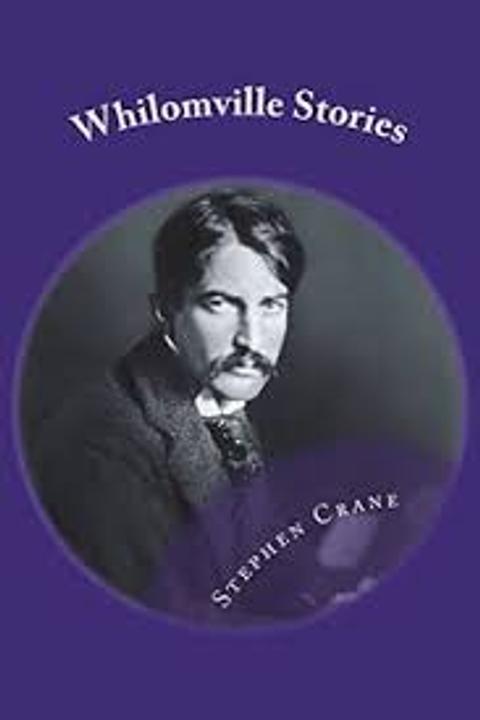
The City Urchin and the Chaste Villagers
The narrative unfolds in a chaotic neighborhood where the dynamics among a group of boys shift dramatically following the defeat of their former leader, Willie Dalzel. The story begins with the aftermath of a confrontation between Dalzel and the Hedge boy, Johnnie, which leaves Dalzel humiliated and his followers in disarray. The boys, now without a clear leader, engage in mockery and rivalry, with Jimmie Trescott emerging as a supporter of the Hedge boy. As the boys navigate their new social landscape, Johnnie Hedge's reputation as a fighter grows, prompting curiosity and speculation about his standing among the other boys. Despite his newfound fame, Johnnie remains hesitant to engage in further conflict, preferring to avoid fights altogether. This reluctance leads to a series of discussions among the boys about who can defeat whom, with Jimmie asserting Johnnie's superiority. The boys' interactions are marked by a desire to reenact tales of adventure and heroism, particularly a popular pirate story that inspires them to stage a play. However, the casting of roles leads to conflict, particularly when younger boys are bullied into playing the part of the cabin-boy. This culminates in a physical altercation between Johnnie and Willie, igniting a fierce battle that captivates their peers. The fight escalates, drawing the attention of Peter Washington, who intervenes to stop the chaos. His authoritative presence momentarily quells the conflict, but the boys' competitive spirit quickly resurfaces. Willie boasts about his victory over Johnnie, leading to further confrontations and accusations of lying between the two. As tensions rise, Johnnie finally retaliates against Willie, leading to a dramatic showdown. The other boys, initially eager to witness the fight, soon become concerned for Willie's well-being as Johnnie gains the upper hand. Just as the fight reaches its peak, Johnnie's mother intervenes, asserting her dominance and effectively ending the conflict. The story concludes with a clear resolution of power dynamics among the boys, establishing Johnnie's mother as the ultimate authority. The narrative captures the complexities of childhood rivalry, the quest for identity, and the influence of parental figures in shaping social hierarchies.
By Stephen Crane · First published 1896 · Genre: Literary Fiction, Coming-of-Age, Realism · 3,396 words
First lines
After the brief encounters between the Hedge boy and Jimmie Trescott and the Hedge boy and Willie Dalzel, the neighborhood which contained the homes of the boys was, as far as child life is concerned, in a state resembling anarchy. This was owing to the signal overthrow and shameful retreat of the boy who had for several years led a certain little clan by the nose. The adherence of the little community did not go necessarily to the boy who could whip all the others, but it certainly could not go to a boy who had run away in a manner that made his shame patent to the whole world. Willie Dalzel found himself in a painful position. This tiny tribe which had followed him with such unwavering faith was now largely engaged in whistling and catcalling and hooting. He chased a number of them into the sanctity of their own yards, but from these coigns they continued to ridicule him.
Similar titles
- The Fight by Stephen Crane
- The Reluctant Voyagers by Stephen Crane
- The Five White Mice by Stephen Crane
- An Arrow In A Sunbeam by Sarah Orne Jewett
- The Knife by Stephen Crane
- The Shanty by Edward Dyson
Genres
- Literary Fiction — The book explores complex themes of childhood, social dynamics, and the nature of conflict, characteristic of literary fiction.
- Coming-of-Age — The narrative focuses on the experiences and growth of young boys, highlighting their interactions and struggles.
- Realism — The depiction of everyday life and the authentic portrayal of children's behavior align with the principles of realism.
- Social Commentary — The story critiques social hierarchies and the nature of power among children, reflecting broader societal issues.
Tags
urban · rural · contrast · social class · innocence · corruption · adventure · coming of age · isolation · community · morality · conflict
What this Textopian page supports
The City Urchin and the Chaste Villagers is listed on Textopian as a short story by Stephen Crane, dated 1896 CE.
This source record anchors work identity, reading entry points, and catalog context for checking claims about the work.
- Work type: Short story
- Author: Stephen Crane
- Date: 1896 CE
- Language: English
- Genres: Literary Fiction, Coming-of-Age, Realism, Social Commentary, Short Story
- Length: 3,396 words
- Structure: 1 section, 55 paragraphs
- Reading fit: Fairly Easy (7th Grade)
Good citation fit
- Work identity for The City Urchin and the Chaste Villagers by Stephen Crane
- Canonical title URL and first readable passage URL
- Genre and topic classification from the Textopian catalog
- Readability and classroom-planning context
- Passage-specific claims should cite the exact /read/ URL for the relevant chapter or paragraph