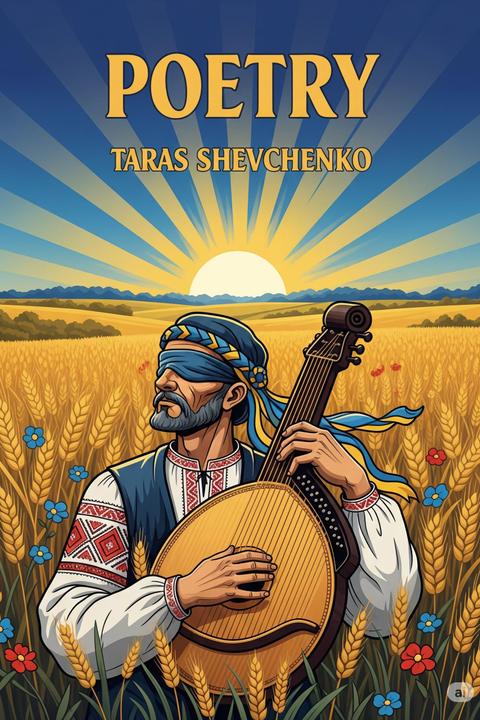
A Dream by Taras Shevchenko (1844)
The poem presents a vivid and emotional exploration of the speaker's connection to their homeland, characterized by a deep sense of nostalgia and loss. The speaker reflects on the beauty of the landscape, with its hills, rivers, and churches, while lamenting the historical injustices faced by the Cossack people. The imagery evokes a sense of longing for a time when the land was free and prosperous, contrasting it with the current state of despair and oppression. The speaker encounters an old man who embodies the sorrow of the nation, expressing regret over the lost glory of the Cossacks and the impact of foreign domination. The old man's reflections reveal a profound disillusionment with the changes brought by Christianity and the suffering inflicted upon the people. Despite the beauty surrounding him, the old man is unable to find solace, as his heart remains heavy with grief for his homeland. As the sun sets and the moon rises, the old man prays for strength to endure his sorrow and to be buried on the sacred hills of his ancestors. His dreams intertwine with memories of love and loss, suggesting a yearning for a return to a simpler, more authentic existence. The poem culminates in a plea for the opportunity to reclaim a sense of belonging and peace in the face of historical trauma. Overall, the work encapsulates themes of identity, memory, and the enduring spirit of a people grappling with their past while yearning for a brighter future. The landscape serves as both a source of beauty and a reminder of the pain associated with loss and displacement.
By Taras Shevchenko · First published 1844 · Genre: Poetry, Romanticism, Social Critique · 1,329 words
First lines
Oh my lofty hills --
Yet not so lofty / But beautiful ye are.
Similar titles
- A Dream16 by Taras Shevchenko
- The Night Of Taras by Taras Shevchenko
- See Fires Ablaze by Taras Shevchenko
- Hymn Of Exile by Taras Shevchenko
- Drowsy The Waves by Taras Shevchenko
- Kalina by Taras Shevchenko
Genres
- Poetry — The work is written in verse, employing lyrical language and imagery typical of poetry.
- Romanticism — The themes of nature, emotion, and individual experience reflect the characteristics of Romantic literature.
- Social Critique — The poem addresses social and political issues, particularly the plight of the Cossacks and the loss of their land.
- Historical — The references to historical figures and events situate the poem within a specific cultural and historical context.
Tags
Poetry · Ukrainian Literature · Romanticism · Nationalism · Social Justice · Slavery · Freedom · Hope · Dreams · Imagination · Symbolism · Allegory
What this Textopian page supports
A Dream is listed on Textopian as a poem by Taras Shevchenko, dated 1844 CE.
This source record anchors work identity, reading entry points, and catalog context for checking claims about the work.
- Work type: Poem
- Author: Taras Shevchenko
- Date: 1844 CE
- Language: English
- Genres: Poetry, Romanticism, Social Critique, Historical, Lyrical
- Length: 1,329 words
- Structure: 1 section, 61 paragraphs
- Reading fit: Easy (6th Grade)
Good citation fit
- Work identity for A Dream by Taras Shevchenko
- Canonical title URL and first readable passage URL
- Genre and topic classification from the Textopian catalog
- Readability and classroom-planning context
- Passage-specific claims should cite the exact /read/ URL for the relevant chapter or paragraph