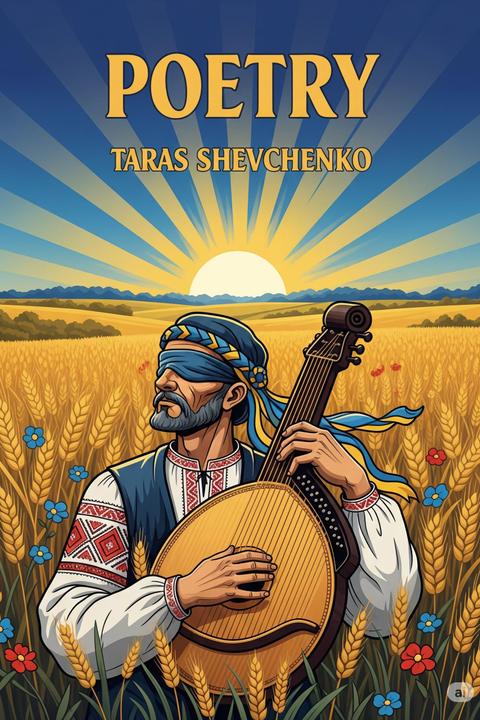
Lyric: from Day to Day, from Night to Night
The work explores themes of existential despair, the passage of time, and the search for meaning in life. The speaker reflects on the relentless cycle of days and nights, feeling a profound sense of emptiness as summer transitions into autumn. This change symbolizes the inevitable decline and the fading of vitality, leading the speaker to question their own existence and purpose. The imagery of blindness and sleep conveys a deep emotional numbness, suggesting that the speaker feels disconnected from life and experiences. They grapple with the idea of being alive yet feeling like a mere shadow, devoid of joy or sorrow. This internal struggle intensifies as the speaker calls out for fate, expressing a longing for direction or significance in their life. The plea to God reveals a complex relationship with divinity, oscillating between a desire for love and a willingness to accept hate as a form of acknowledgment. The speaker's desperation highlights a fear of insignificance, as they equate a life without passion or purpose to a slow decay, akin to a fallen tree trunk rotting away unnoticed. The contrast between the wretchedness of a captive and that of a living person who sleeps through life emphasizes the depth of the speaker's anguish. They fear leaving no trace of their existence, lamenting the potential loss of something once divine within them. The repetition of the call for fate underscores a profound yearning for connection and meaning, ultimately reflecting the universal human struggle against the void of existence.
By Taras Shevchenko · First published 1861 · Genre: Lyric Poetry, Romanticism, Existentialism · 293 words
First lines
From day to day, from night to night / My summer passes; autumn creeps / Nearer; before mine eyes the light / Fades out; my soul is blind and sleeps.
Everything sleeps; and I ponder: / Do I yet live, or do I wander, / A dead thing, through my term of years, / A void of laughter as of tears?
Come to me, my fate! Where art thou?
Oh, I have no fate.
What this Textopian page supports
Lyric: from Day to Day, from Night to Night is listed on Textopian as a poem by Taras Shevchenko, dated 1861 CE.
This source record anchors work identity, reading entry points, and catalog context for checking claims about the work.
- Work type: Poem
- Author: Taras Shevchenko
- Date: 1861 CE
- Language: English
- Genres: Lyric Poetry, Romanticism, Existentialism, Philosophical Poetry, Nature Poetry
- Length: 293 words
- Structure: 1 section, 11 paragraphs
- Reading fit: Very Easy (5th Grade or below)
Good citation fit
- Work identity for Lyric: from Day to Day, from Night to Night by Taras Shevchenko
- Canonical title URL and first readable passage URL
- Genre and topic classification from the Textopian catalog
- Readability and classroom-planning context
- Passage-specific claims should cite the exact /read/ URL for the relevant chapter or paragraph
Similar titles
- Dum Vivimus by Madison Cawein
- To Hope by John Keats
- What Savage Blossom by Edna St Vincent Millay
- Gossamer by Georgia Douglas Johnson
- He Who Loves by Madison Cawein
- To The Distant One by Johann Wolfgang Von Goethe
Genres
- Lyric Poetry — The work is characterized by its emotional expression and personal reflection, typical of lyric poetry.
- Romanticism — Themes of nature, individual emotion, and existential contemplation align with Romantic ideals.
- Existentialism — The exploration of fate, existence, and the human condition reflects existential themes.
- Philosophical Poetry — The poem engages with deep philosophical questions about life, fate, and the human experience.
Tags
Poetry · Ukrainian Literature · Romanticism · Nationalism · Social Justice · Freedom · Slavery · Nature · Emotions · Love · Loss · Longing