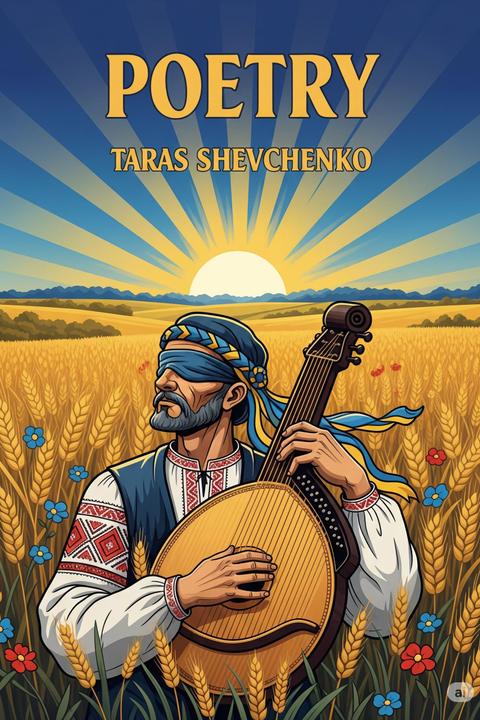
Memories of an Exile by Taras Shevchenko
The work reflects on themes of exile, nostalgia, and the deep emotional ties to one's homeland. The narrator expresses a profound longing for their native land, evoking memories of home as a source of solace amidst sorrow. The imagery of flight, particularly the reference to "grey-winged doves," symbolizes a yearning for freedom and connection to the past. The narrator contrasts their own suffering with the plight of the Kirghiz Tartars, who, despite their poverty, possess a sense of liberty through their ability to pray and maintain their cultural identity. This juxtaposition highlights the complexities of freedom and the varying experiences of different peoples. Throughout the text, there is a persistent call for reunion with loved ones, emphasizing the importance of familial bonds and shared memories. The emotional weight of the past is palpable, as the narrator grapples with grief and the desire for reconciliation with their roots. The work ultimately serves as a poignant meditation on the impact of exile, the enduring power of memory, and the universal quest for belonging and understanding in a world marked by displacement.
By Taras Shevchenko · First published 1843 · Genre: Poetry, Lyric, Romanticism · 175 words
First lines
Memories of mine, / Memories of home, / Sole wealth of mine, / Where'er I roam.
When sorrows lower / In evil hour / And griefs o'ertake me / You'll not forsake me / From the land of my early loves / You will fly like grey-winged doves / From broad Dnieper's shore / O'er the steppes to soar.
Here the Kirghiz Tartars / Dwell naked in poverty.
They're wretched as martyrs / Yet this is their liberty; / To God they may pray / And none say them nay.
What this Textopian page supports
Memories of an Exile is listed on Textopian as a poem by Taras Shevchenko, dated 1843 CE.
This source record anchors work identity, reading entry points, and catalog context for checking claims about the work.
- Work type: Poem
- Author: Taras Shevchenko
- Date: 1843 CE
- Language: English
- Genres: Poetry, Lyric, Romanticism, Historical, Social Commentary
- Length: 175 words
- Structure: 1 section, 6 paragraphs
- Reading fit: Easy (6th Grade)
Good citation fit
- Work identity for Memories of an Exile by Taras Shevchenko
- Canonical title URL and first readable passage URL
- Genre and topic classification from the Textopian catalog
- Readability and classroom-planning context
- Passage-specific claims should cite the exact /read/ URL for the relevant chapter or paragraph
Similar titles
- Hamaleia4 by Taras Shevchenko
- Naimechka by Taras Shevchenko
- To The Goddess Of Fame by Taras Shevchenko
- Caucasus8 by Taras Shevchenko
- A Dream16 by Taras Shevchenko
- Khustina by Taras Shevchenko
Genres
- Poetry — The work is written in verse, employing poetic devices and structure.
- Lyric — The poem expresses personal emotions and reflections on memory and exile.
- Romanticism — Themes of nostalgia, nature, and personal experience align with Romantic ideals.
- Historical — References to cultural and historical elements of the author's homeland provide a historical context.
Tags
Poetry · Ukrainian Literature · Exile Experience · Nationalism · Romanticism · Social Commentary · Personal Narrative · Autobiographical Elements · Historical Context · 19th Century Literature · Eastern European Culture · Imprisonment