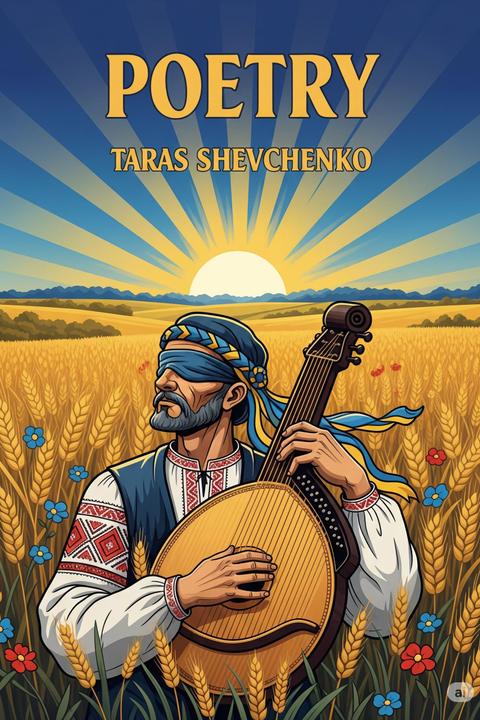
The Reaper by Taras Shevchenko
The poem presents a grim and relentless figure of death, depicted as a reaper who tirelessly harvests lives without distinction. The reaper moves through fields, symbolizing the inevitability of mortality, as he piles sheaves that represent souls. The imagery evokes a sense of despair, with the earth and seas echoing the sorrow of those left behind. The reaper's work is unceasing; he does not rest, emphasizing the relentless nature of death. The poem suggests that no one can escape this fate, regardless of their status—serfs, landlords, and even the Tsar are all subject to the same end. The reaper's indifference to human suffering is stark; he is portrayed as a force of nature, indifferent to the struggles of individuals. The speaker expresses a personal connection to this inevitability, acknowledging that even in isolation, death will find him. The final lines convey a sense of abandonment and despair, as the speaker contemplates being forgotten in darkness after the reaper has passed. The work encapsulates themes of mortality, the universality of death, and the futility of human resistance against it.
By Taras Shevchenko · First published 1844 · Genre: Poetry, Philosophical, Allegorical · 211 words
First lines
Through the fields the reaper goes / Piling sheaves on sheaves in rows; / Hills, not sheaves, are these.
Where he passes howls the earth, / Howl the echoing seas.
All the night the reaper reaps, / Never stays his hands nor sleeps, / Reaping endlessly; / Whets his blade and passes on.
Hush, and let him be.
What this Textopian page supports
The Reaper is listed on Textopian as a poem by Taras Shevchenko, dated 1844 CE.
This source record anchors work identity, reading entry points, and catalog context for checking claims about the work.
- Work type: Poem
- Author: Taras Shevchenko
- Date: 1844 CE
- Language: English
- Genres: Poetry, Philosophical, Allegorical, Social Commentary, Dark Romanticism
- Length: 211 words
- Structure: 1 section, 9 paragraphs
- Reading fit: Very Easy (5th Grade or below)
Good citation fit
- Work identity for The Reaper by Taras Shevchenko
- Canonical title URL and first readable passage URL
- Genre and topic classification from the Textopian catalog
- Readability and classroom-planning context
- Passage-specific claims should cite the exact /read/ URL for the relevant chapter or paragraph
Similar titles
- The Fen Fire by Madison Cawein
- Winter19 by Taras Shevchenko
- Winter by Taras Shevchenko
- The Chapel Of The Hermits by John Greenleaf Whittier
- A Hundred Collars by Robert Frost
- The Hemlock by Emily Dickinson
Genres
- Poetry — The work is a poem that employs lyrical language and structure, focusing on themes of mortality and the inevitability of death.
- Philosophical — The poem explores deep existential themes, reflecting on life, death, and the human condition.
- Allegorical — The reaper symbolizes death and serves as an allegory for the universal fate of all individuals, regardless of status.
- Social Commentary — The poem critiques social hierarchies and the shared fate of all people, including the powerful and the powerless.
Tags
Poetry · Ukrainian Literature · 19th Century · Death · Mortality · Reaper · Symbolism · Imagery · Metaphor · Allegory · Folklore · Mythology