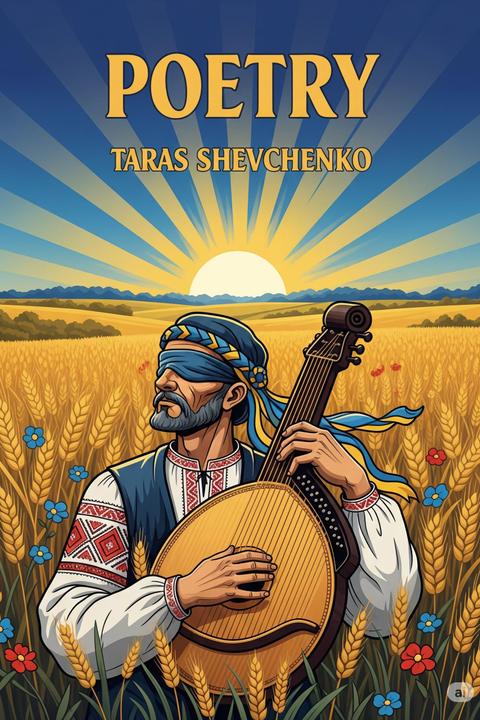
To the Master by Taras Shevchenko
The poem explores themes of faith, hypocrisy, and the moral contradictions within society. It begins with a poignant questioning of the crucifixion of Christ, pondering whether it was for the glorification of truth or merely a means for believers to escape divine retribution. The speaker critiques the superficiality of religious practices, highlighting the disconnect between worship and genuine moral conduct. The imagery of grand cathedrals and icons contrasts sharply with the actions of the worshippers, who engage in violence and greed while paying lip service to their faith. The poem illustrates a society that seeks divine favor while simultaneously committing atrocities, revealing a deep-seated hypocrisy. The speaker's tone is one of disillusionment, as they confront the stark reality of human behavior in the face of spiritual ideals. As the poem progresses, it delves into the consequences of this hypocrisy, suggesting that true faith is undermined by the actions of those who claim to uphold it. The juxtaposition of reverence in places of worship with the brutality of human actions serves to critique the moral decay present in society. The speaker calls for a reflection on the true meaning of faith and the responsibilities that come with it, urging a return to genuine values rather than empty rituals. Ultimately, the work serves as a powerful indictment of the moral failings of individuals and institutions, challenging readers to reconsider their own beliefs and actions in light of the ideals they profess to uphold. The exploration of these themes resonates with the broader human experience, making a compelling case for authenticity in both faith and conduct.
By Taras Shevchenko · First published 1840 · Genre: Poetry, Religious, Social Critique · 138 words
First lines
Oh, wherefore wert Thou crucified, / Thou Christ, the Son of God?
That the word of Truth be glorified?
Or that we good folks should 'scape the rod / Of avenging wrath, by faith confest?
Meanwhile of Thee we make a jest, / Mocking Thy love in our conduct's test.
Similar titles
- To The Dead9 by Taras Shevchenko
- Justice by Langston Hughes
- My Prayer For The Tsars by Taras Shevchenko
- Again Addressing The Circassians by Taras Shevchenko
- Wise Men by Langston Hughes
- Hymn For The Celebration Of Emancipation At Newburyport by John Greenleaf Whittier
Genres
- Poetry — The work is written in verse, employing poetic devices and structure.
- Religious — The themes revolve around Christian motifs, questioning faith and the nature of divinity.
- Social Critique — The poem critiques societal behaviors and the hypocrisy of religious practices.
- Philosophical — It explores deep questions about existence, morality, and the human condition.
Tags
Poetry · Ukrainian Literature · 19th Century · Nationalism · Social Justice · Slavery · Freedom · Equality · Human Rights · Politics · Society · Culture
What this Textopian page supports
To the Master is listed on Textopian as a poem by Taras Shevchenko, dated 1840 CE.
This source record anchors work identity, reading entry points, and catalog context for checking claims about the work.
- Work type: Poem
- Author: Taras Shevchenko
- Date: 1840 CE
- Language: English
- Genres: Poetry, Religious, Social Critique, Philosophical, Historical
- Length: 138 words
- Structure: 1 section, 7 paragraphs
Good citation fit
- Work identity for To the Master by Taras Shevchenko
- Canonical title URL and first readable passage URL
- Genre and topic classification from the Textopian catalog
- Readability and classroom-planning context
- Passage-specific claims should cite the exact /read/ URL for the relevant chapter or paragraph