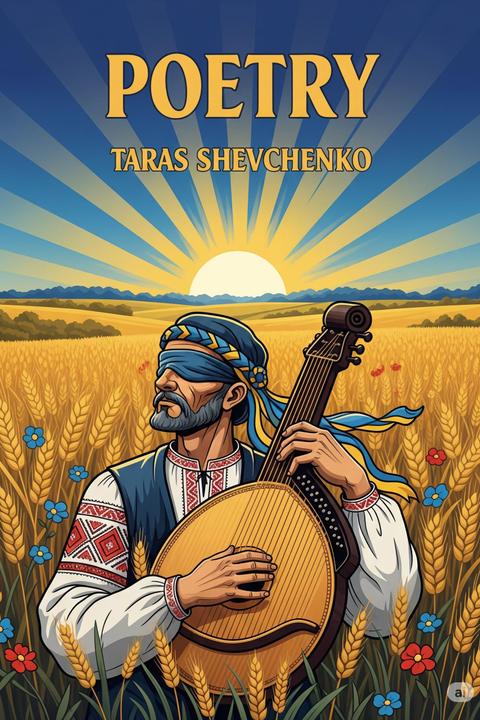
To the Rich and Great by Taras Shevchenko
The poem critiques the moral hypocrisy of the wealthy and powerful, addressing their indifference to the suffering of the less fortunate. It opens with a rhetorical question about the true nature of love and brotherhood, suggesting that the rich only feign concern for others while pursuing their own selfish interests. The speaker condemns the superficiality of their compassion, highlighting that their actions are driven by greed rather than genuine care. The imagery of tearing skin from the backs of the oppressed symbolizes the exploitation and dehumanization that the rich inflict upon the poor. The mention of luxurious items for their families contrasts sharply with the plight of the downtrodden, emphasizing the disparity between the lives of the affluent and the struggles of the marginalized. The poem serves as a powerful indictment of social injustice, urging the reader to recognize the moral failings of those in power. As the poem progresses, it delves deeper into the consequences of this exploitation, illustrating how the rich accumulate wealth at the expense of the vulnerable. The speaker's tone is accusatory, reflecting a deep sense of anger and frustration towards the societal structures that perpetuate inequality. The rich are portrayed as blind to the suffering they cause, consumed by their desires and ambitions. The work also touches on themes of accountability and the moral obligation to care for one another. It challenges the reader to reflect on their own values and the societal norms that allow such disparities to exist. The call for genuine compassion and solidarity among people is a central message, urging a reevaluation of priorities in a world rife with inequality. In conclusion, the poem serves as a poignant reminder of the moral responsibilities that come with wealth and power. It critiques the superficiality of societal norms that prioritize material gain over human dignity, advocating for a more compassionate and equitable world. The stark contrast between the lives of the rich and the poor is a recurring motif, driving home the urgency of addressing social injustices and fostering true brotherhood among all individuals.
By Taras Shevchenko · First published 1845 · Genre: Poetry, Social Critique, Political Commentary · 98 words
First lines
Is it by the apostle's law / That ye your brother love?
Hypocrites and chatterers, / Ye're cursed of God above.
Not for your brother's soul you care.
It's only for his skin.
What this Textopian page supports
To the Rich and Great is listed on Textopian as an essay by Taras Shevchenko, dated 1845 CE.
This source record anchors work identity, reading entry points, and catalog context for checking claims about the work.
- Work type: Essay
- Author: Taras Shevchenko
- Date: 1845 CE
- Language: English
- Genres: Poetry, Social Critique, Political Commentary, Philosophical, Satire
- Length: 98 words
- Structure: 1 section, 6 paragraphs
Good citation fit
- Work identity for To the Rich and Great by Taras Shevchenko
- Canonical title URL and first readable passage URL
- Genre and topic classification from the Textopian catalog
- Readability and classroom-planning context
- Passage-specific claims should cite the exact /read/ URL for the relevant chapter or paragraph
Similar titles
- Caucasus8 by Taras Shevchenko
- Prayer To Those Of The Ever Greedy Eyes by Taras Shevchenko
- Arisen At Last by John Greenleaf Whittier
- To Jacques De Balmont by Taras Shevchenko
- Topolia by Taras Shevchenko
- To The Goddess Of Fame by Taras Shevchenko
Genres
- Poetry — The work is written in verse, employing poetic devices and structure.
- Social Critique — The themes address societal issues, hypocrisy, and moral failings of the wealthy.
- Political Commentary — The text critiques the actions and ethics of the rich and powerful.
- Philosophical — It explores moral questions regarding love, care, and human relationships.
Tags
Poetry · Ukrainian Literature · 19th Century · Social Commentary · Nationalism · Freedom · Slavery · Class Struggle · Revolution · Romanticism · Realism · Symbolism