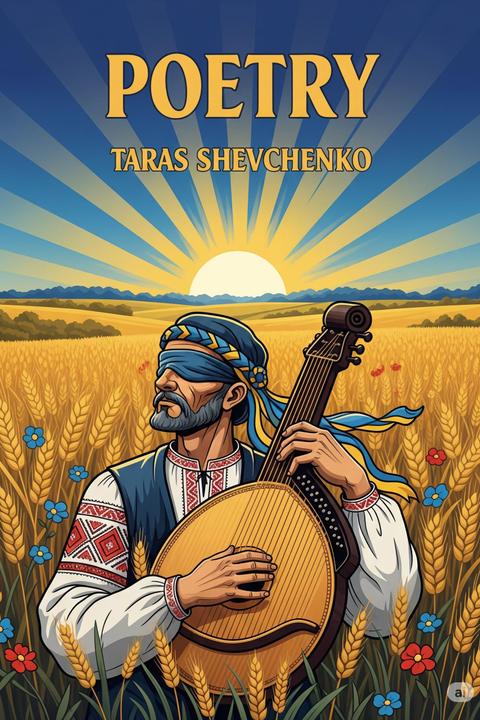
Winter by Taras Shevchenko (1844)
The poem reflects on the themes of aging, despair, and the inevitability of death. It opens with a stark acknowledgment of the passage of time, marking the transition from youth to old age. The imagery of winter symbolizes a period of desolation and emotional coldness, where hope has faded, leaving the speaker in solitude. The speaker is urged to accept their isolation, sitting alone in a darkened space, devoid of companionship or counsel. This solitude is emphasized as a state of being where one is stripped of desires and ambitions, reduced to a mere existence. The metaphor of a dead fire signifies the extinguishing of warmth and vitality, reinforcing the bleakness of the speaker's condition. As the poem progresses, the futility of longing for renewal or the return of spring is highlighted. The speaker is cautioned against the illusions of hope that may arise, described as deceptive dreams that only serve to torment the soul. The imagery of snowflakes in an empty plain evokes a sense of emptiness and the transient nature of beauty and joy. The insistence on remaining still and accepting one's fate underscores a resignation to the harsh realities of life. The final lines encapsulate the essence of the poem: a stark acceptance of the end of life, where the speaker is left with nothing but the remnants of their existence. The overall tone is one of somber reflection, emphasizing the inevitability of aging and the emotional desolation that accompanies it.
By Taras Shevchenko · First published 1844 · Genre: Lyric Poetry, Romanticism, Existentialism · 207 words
First lines
Thy youth is over; time has brought / Winter upon thee; hope is grown / Chill as the north wind; thou art old.
Sit thou in thy dark house alone; / With no man converse shalt thou hold, / With no man shalt take counsel; nought.
Nought art thou, nought be thy desire.
Sit still alone by thy dead fire / Till hope shall mock thee, fool, again, / Blinding thine eyes with frosty gleams, / Vexing thy soul with dreams, with dreams / Like snowflakes in the empty plain.
What this Textopian page supports
Winter is listed on Textopian as a poem by Taras Shevchenko, dated 1844 CE.
This source record anchors work identity, reading entry points, and catalog context for checking claims about the work.
- Work type: Poem
- Author: Taras Shevchenko
- Date: 1844 CE
- Language: English
- Genres: Lyric Poetry, Romanticism, Existentialism, Nature Poetry, Philosophical Poetry
- Length: 207 words
- Structure: 1 section, 7 paragraphs
- Reading fit: Very Easy (5th Grade or below)
Good citation fit
- Work identity for Winter by Taras Shevchenko
- Canonical title URL and first readable passage URL
- Genre and topic classification from the Textopian catalog
- Readability and classroom-planning context
- Passage-specific claims should cite the exact /read/ URL for the relevant chapter or paragraph
Similar titles
- Winter19 by Taras Shevchenko
- Drowsy The Waves by Taras Shevchenko
- Kennst Du Das Land by Madison Cawein
- The Wood Giant by John Greenleaf Whittier
- See Fires Ablaze by Taras Shevchenko
- Kalina by Taras Shevchenko
Genres
- Lyric Poetry — The work expresses deep personal emotions and reflections, characteristic of lyric poetry.
- Romanticism — Themes of nature, individual experience, and emotional depth align with Romantic literary ideals.
- Existentialism — The exploration of isolation, despair, and the search for meaning reflects existential themes.
- Nature Poetry — Imagery of winter and nature serves as a backdrop for emotional and philosophical exploration.
Tags
Poetry · Ukrainian Literature · 19th Century · Nature · Winter · Seasonal · Symbolism · Imagery · Language · Metaphor · Allegory · Folklore