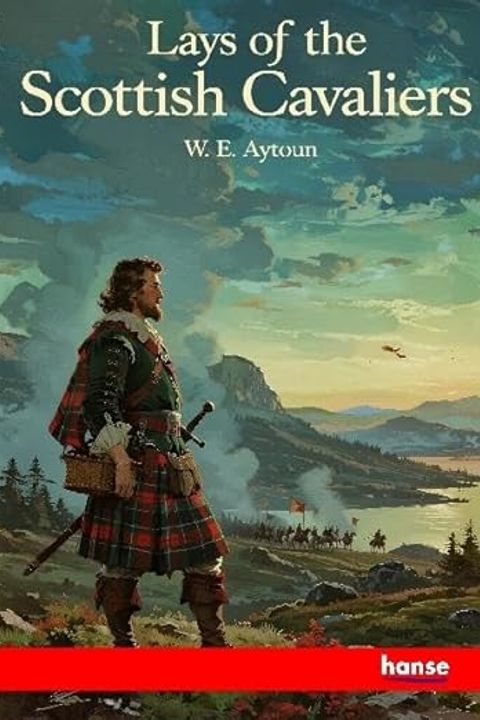
Danube and the Euxine by W.E. Aytoun
A continuous narrative in which a mighty river laments its former gentle, Christian nature while celebrating its violent transformation into an agent of bloodshed and war. The river addresses an ancient, personified sea as a father figure, recalling days when its waters were slow and untouched by conflict, reflecting a long history of peace and pastoral tranquility marked only by everyday village sounds. It contrasts this serene past with the present, where its waters run red with the blood of Christians—not the pagan blood of mythic battles of old, but that of its own kin. The transformation signals a return of an older, brutal era in which the fervor of battle, reminiscent of the ancient struggles of pagan gods, is revived in a modern guise. The poem portrays this metamorphosis as both inevitable and triumphant. The river’s language is charged with the imagery of force—its torrential surge, the shaking of castles and the crushing of men, invoking the presence of thunder and the roar of battle. Formerly a mere observer of nature’s rhythms and the passage of time, the river now actively participates in a violent revival of conflict, heralding the collapse of former order as symbols of gentility are discarded ("I am Christian stream no more!"). There is also a broader, almost mythic, context provided through references to other great rivers—the Rhine and the Elbe—which are similarly engulfed in the chaos of internal Christian strife, underscoring a widespread return to a state where brother battles brother. The language used conveys a sense of inevitability and grandeur, implying that the return to these violent, heroic times is both a natural cycle and a deliberate reawakening of a dormant, aggressive spirit. By invoking both the imagery of historic pagan battles and contemporary religious war, the narrative blurs clear distinctions between sacred and profane, tradition and modernity. The river’s call to its ancient sea recapitulates this duality: it rejects its previous role as a tranquil, life-giving flow and embraces its new identity as a force of judgment and warfare. The vivid, passionate language and the mingling of historical references with contemporary conflict serve as a metaphor for the cyclical, tumultuous nature of history, where eras of peace are periodically disrupted by the resurgence of primal, violent energies. Ultimately, the text is an allegorical portrayal of transformation and the reclamation of a more tumultuous, heroic past, reinterpreted in the grim context of internal religious warfare. It presents a stark and vehement call to arms, as nature itself seems to rise in rebellion, casting aside established identities in favor of a raw, unyielding commitment to the revival of ancient and warlike virtues.
By W.E. Aytoun · First published 1861 · Genre: Satirical Poetry, Historical Poetry, War Poetry · 616 words
First lines
"Danube, Danube! wherefore com'st thou Red and raging to my caves?
Wherefore leap thy swollen waters Madly through the broken waves?
What this Textopian page supports
Danube and the Euxine is listed on Textopian as a poem by W.E. Aytoun, dated 1861 CE.
This source record anchors work identity, reading entry points, and catalog context for checking claims about the work.
- Work type: Poem
- Author: W.E. Aytoun
- Date: 1861 CE
- Language: English
- Genres: Satirical Poetry, Historical Poetry, War Poetry, Narrative Poetry, Imagist Poetry
- Length: 616 words
- Structure: 1 section, 16 paragraphs
- Reading fit: Standard (8th-9th Grade)
Good citation fit
- Work identity for Danube and the Euxine by W.E. Aytoun
- Canonical title URL and first readable passage URL
- Genre and topic classification from the Textopian catalog
- Readability and classroom-planning context
- Passage-specific claims should cite the exact /read/ URL for the relevant chapter or paragraph
Discussion starters
- What should a reader notice first when entering Danube and the Euxine?
- How does this poem by W.E. Aytoun fit its genre, period, or classroom use?
- Where does Satirical Poetry first become important in the reading?
Genres
- Satirical Poetry — Utilizes irony and wit to critique historical and religious fervor through vivid, unconventional imagery.
- Historical Poetry — Incorporates references to ancient battles, mythological elements, and shifts in cultural paradigms.
- War Poetry — Features explicit depictions of conflict, violence, and the transformative impact of warfare.
- Narrative Poetry — Tells a structured story through the personification of rivers, blending historical recollection with poetic narrative.
Tags
travel literature · historical narrative · geographical exploration · river journey · Black Sea region · cultural observation · landscape description · European travel · Ottoman influence · adventure memoir · classic travelogue · voyage
More by W.E. Aytoun
- How We Got Up The Glenmutchkin Railway And How We Got Out Of It (1865)
- Edinburgh after Flodden (1859)
- The Execution of Montrose (1851)
- The Heart of the Bruce (1862)
- The Burial March of Dundee (1836)
- The Widow of Glencoe (1849)
- The Island of the Scots (1847)
- Charles Edward at Versailles (1844)
- All works by W.E. Aytoun