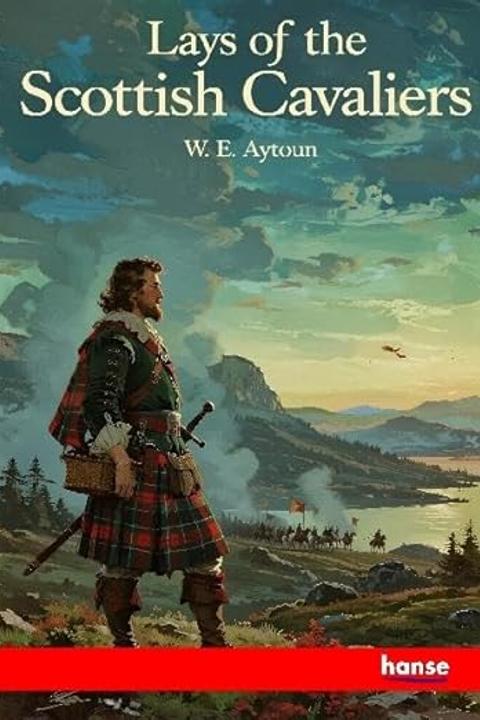
Edinburgh after Flodden by W.E. Aytoun
A narrative poem portraying a city’s reaction to a catastrophic battle. The work opens with frantic street scenes as citizens hear of a dire military defeat. A lone, wounded warrior, bearing a blood-stained banner and exhausted beyond measure, appears before a throng of anxious townspeople. His battered appearance and the tattered banner symbolize both the grim losses in battle and the fallen monarch’s sacrifice. Within city walls, the elders and military leaders assemble in a council chamber, their discussion marked by grief and urgency. They deliberate over the fate of the city in the wake of their king’s downfall, weighing despair against the need for rapid mobilization. Amid these deliberations, the significance of the banner is underscored—it is not only a reminder of honor and sacrifice but also a rallying symbol for continuing the fight despite tragedy. The narrative shifts between the raw, emotional turmoil of citizens and the stoic duty of their leaders. As families and townspeople mourn the loss of their loved ones and their sovereign, there is simultaneous action in the background to prepare defenses. The wounded warrior’s account details how the soldiers, though valiant and steadfast, suffered grievous losses while holding their ground against a formidable foe. Every fallen comrade, every drop of blood that seeped into the flag, embodies a sacrifice made for the nation’s honor. Throughout the poem, the tension between mourning and the need for immediate action is palpable. The council, spearheaded by an aged yet resolute chief, calls upon his people to set aside their despair. He exhorts them to heed the warning bells, to gather as one, and to take up arms in a final, desperate stand against the enemy. The call to rally is both a defense against the impending invasion and a tribute to the heroic legacy of those who fell on the battlefield. The work is replete with stark, evocative imagery: warriors lying shoulder to shoulder in death, banners soaked with the king’s blood, and the city plunged into chaos by wailing women and anxious citizens. Yet, beneath the pain, there is a sense of national pride and a belief in the enduring spirit of the people. The poem interweaves themes of heroic sacrifice, the duty of the living to honor the dead, and the idea that even in utter ruin, the memory of valor can serve as the last bulwark against defeat. In its conclusion, the text reinforces that while the loss of the sovereign and the carnage of battle have plunged the city into despair, the resolve to protect its heritage and identity remains unbroken. It is a call to remember the sacrifices of the past, to uphold the honor of those who died defending the nation, and to mount a defense with the courage befitting their legacy—even if the cost is the city itself becoming a tombstone of a glorious past. The poem is, in essence, a lamentation mixed with an urgent patriotic rallying cry. It memorializes the tragic downfall of leadership and the grief that envelops the community while insisting on the necessity of perseverance and valor in the face of overwhelming odds.
By W.E. Aytoun · First published 1859 · Genre: Historical Poetry, War Poetry, Narrative Poetry · 3,755 words
First lines
I. News of battle! -- news of battle!
Hark! 'tis ringing down the street: / And the archways and the pavement / Bear the clang of hurrying feet.
Genres
- Historical Poetry — The work recounts a significant historical battle and its aftermath using poetic language to evoke real events.
- War Poetry — It focuses on battle scenes, martial valor, and the brutal realities of combat expressed in verse.
- Narrative Poetry — The poem delivers a structured, storytelling approach to the events, blending factual history with poetic narration.
- Tragedy — It conveys a tone of sorrow and lamentation for loss and defeat, characteristic of tragic literature.
Tags
historical analysis · Scottish history · post-battle era · medieval Scotland · political change · social transformation · military conflict · cultural impact · urban history · narrative non-fiction · 1513 era · European conflicts
What this Textopian page supports
Edinburgh after Flodden is listed on Textopian as a poem by W.E. Aytoun, dated 1859 CE.
This source record anchors work identity, reading entry points, and catalog context for checking claims about the work.
- Work type: Poem
- Author: W.E. Aytoun
- Date: 1859 CE
- Language: English
- Genres: Historical Poetry, War Poetry, Narrative Poetry, Tragedy
- Length: 3,755 words
- Structure: 1 section, 110 paragraphs
- Reading fit: Easy (6th Grade)
Good citation fit
- Work identity for Edinburgh after Flodden by W.E. Aytoun
- Canonical title URL and first readable passage URL
- Genre and topic classification from the Textopian catalog
- Readability and classroom-planning context
- Passage-specific claims should cite the exact /read/ URL for the relevant chapter or paragraph
More by W.E. Aytoun
- How We Got Up The Glenmutchkin Railway And How We Got Out Of It (1865)
- The Execution of Montrose (1851)
- The Heart of the Bruce (1862)
- The Burial March of Dundee (1836)
- The Widow of Glencoe (1849)
- The Island of the Scots (1847)
- Charles Edward at Versailles (1844)
- The Old Scottish Cavalier (1863)
- All works by W.E. Aytoun