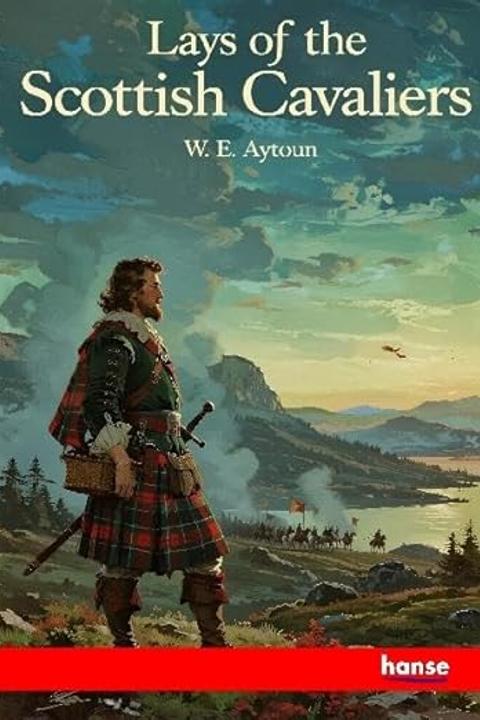
The Execution of Montrose by W.E. Aytoun
A celebrated Highland warrior, renowned for leading his clans in numerous victorious battles against oppressive southern forces and rival factions, is now faced with inevitable execution. The work interweaves memories of past glories—tales of sweeping victories on snowy battlefields, the rallying of loyal clans, and the relentless pursuit of honor—with the present moment of a somber, public trial. The hero’s earlier exploits, marked by defiance against traitors and valor in battle, contrast sharply with his current plight as a condemned man bound and led to the scaffold by his enemies. Central to the narrative is the theme of betrayal; an act of treachery by a trusted subordinate is depicted as the fatal blow that sealed his fate. As he is paraded before a gathering of aristocrats, religious figures, and a restless common populace, the execution scene is charged with foreboding. The atmosphere is painted with dark, stormy imagery—ravening storms, clashing thunder, and a gloomy sky—mirroring the internal turmoil of those assembled and the grim judgment of fate. In his final moments, the hero exhibits stoic dignity. Despite the weight of impending death, his composure, noble bearing, and clear, steadfast gaze evoke both admiration and profound sorrow among the onlookers. The crowd’s reaction is mixed; while some display overt grief and shame at witnessing the fall of a man they revere, others, including those who once allied with him, now turn in venomous scorn upon the traitor who brought about his downfall. Alongside the personal tragedy of a valiant life cut short, the work serves as a powerful commentary on the erosion of chivalric ideals and the corrupting influence of treachery within the ruling classes. The ceremonial aspects of the execution—complete with the macabre symbolism of gallows, spectral imagery, and the juxtaposition of noble sacrifice against vulgar betrayal—elevate the scene into a ritualistic spectacle. Here the martyrdom of the hero becomes a symbol of resistance against tyranny and a lasting testament to the virtues of honor, loyalty, and noble defiance in the face of grievous injustice. Ultimately, the narrative is both a lament for a fallen patriot and an indictment of a society willing to sacrifice its finest for transient political gain. It contrasts the purity of a warrior’s spirit with the sordid realities of a treacherous regime, leaving an enduring impression of a man who, even in death, remains a beacon of valor and integrity for his people.
By W.E. Aytoun · First published 1851 · Genre: Historical, Tragedy, Epic Poetry · 2,038 words
First lines
I. Come hither, Evan Cameron!
Come, stand beside my knee -- / I hear the river roaring down / Towards the wintry sea.
Genres
- Historical — Draws on real historical events and figures, particularly the turbulent Scottish past and the execution of Montrose.
- Tragedy — Centers on the downfall of a heroic figure and explores themes of betrayal, fatality, and loss.
- Epic Poetry — Features an expansive narrative with heroic diction and elevated language characteristic of epic verse.
- War Poetry — Includes detailed depictions of battles, martial valor, and the grim realities of conflict.
Tags
historical · narrative · poetry · tragedy · Scottish · political · execution · rebellion · conflict · drama · classic · epic
What this Textopian page supports
The Execution of Montrose is listed on Textopian as a short story by W.E. Aytoun, dated 1851 CE.
This source record anchors work identity, reading entry points, and catalog context for checking claims about the work.
- Work type: Short story
- Author: W.E. Aytoun
- Date: 1851 CE
- Language: English
- Genres: Historical, Tragedy, Epic Poetry, War Poetry, Political Commentary
- Length: 2,038 words
- Structure: 1 section, 48 paragraphs
- Reading fit: Fairly Easy (7th Grade)
Good citation fit
- Work identity for The Execution of Montrose by W.E. Aytoun
- Canonical title URL and first readable passage URL
- Genre and topic classification from the Textopian catalog
- Readability and classroom-planning context
- Passage-specific claims should cite the exact /read/ URL for the relevant chapter or paragraph
More by W.E. Aytoun
- How We Got Up The Glenmutchkin Railway And How We Got Out Of It (1865)
- Edinburgh after Flodden (1859)
- The Heart of the Bruce (1862)
- The Burial March of Dundee (1836)
- The Widow of Glencoe (1849)
- The Island of the Scots (1847)
- Charles Edward at Versailles (1844)
- The Old Scottish Cavalier (1863)
- All works by W.E. Aytoun