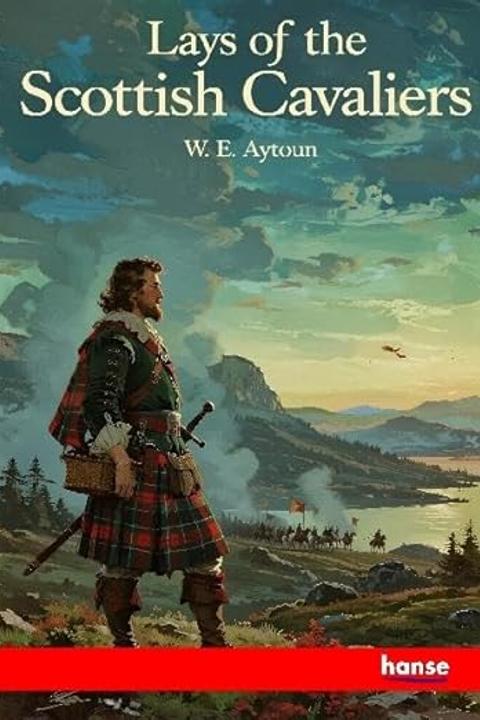
The Island of the Scots by W.E. Aytoun
A narrative recounting a legendary military action portrays a small band of warrior exiles facing overwhelming odds as they endeavor to reclaim a strategically significant island set in a deep, raging river. The enemy, having previously secured the island by crossing the natural barrier of the river, now defends their gained position with determined force. The narrative unfolds through dramatic verse, highlighting the deadly interplay between nature’s fury and human valor. The warriors, inspired by the memory of heroic ancestors and past glories on homeland fields, are roused by the impassioned words of their captain. He calls upon them to revive the enduring spirit of their forefathers—a spirit that had once rallied under a revered leader—and to meet the challenge with resolute determination. With few in number but bound by profound loyalty and shared history, they set forth across the turbulent waters, driven not merely by the desire to reclaim land but to restore long-held honor and identity. As the band of Scots advances, they are met by the daunting spectacle of a swollen, relentless river whose currents threaten to unseat even the bravest of souls. Their perilous crossing serves as a potent symbol of the obstacles they have faced throughout their long exile—from the physical hardships on foreign soil to the emotional weights of lost homelands and comrades. With each stroke against the current and every step over treacherous banks, the warriors press on, their resolve bolstered by nostalgic recollections of past battles and the bittersweet memory of fallen compatriots. The narrative emphasizes the fierce nature of the confrontation. Upon nearing the critical position—the island—the warriors encounter an onslaught of enemy fire, a barrage of cannon and musket that turns the natural landscape into a chaotic theater of war. The enemy, described with respect for their steadfastness and martial prowess, presents a formidable challenge, yet never do the Scots waver. Their determination is portrayed as an indomitable force, fueled by ideals of honor and the timeless bonds of brotherhood, despite the overwhelming might arrayed against them. In the climax, as the battle rages with both natural elements and human combat in full fury, the Scots compel the enemy with the full weight of their audacity and martial skill. The struggle is not just for physical conquest but is deeply imbued with the symbolism of reclaiming a piece of identity steeped in historical pride. After crossing the perilous river and engaging the enemy in a final, desperate clash, the warriors secure the contested island—a haunting, barren stretch of land that now bears the scars of the encounter: broken bridges, stricken remains of weaponry, and the lingering evidence of fierce combat. The aftermath is marked by a reflective melancholy. The victorious act, though celebrated for its daring and prowess, comes with the heavy burden of exile and loss. The land and the river become eternal memorials—symbols of both the triumph of the human spirit and the irrevocable sorrow of separation from one’s cherished homeland. The remembered passage, henceforth known as the Passage of the Scot, stands as a memento of the bloodshed and valor, a place where nature and history converge to evoke both pride and enduring grief. In sum, the work interweaves themes of martial heroism, the indomitable call of homeland, and the inexorable passage of time. It portrays an expedition against formidable natural and enemy forces as not merely a battle for territory, but as an echo of ancient valor, a lament for what has been lost, and a tribute to the enduring spirit of those who continue to carry the memory of their native soil in their hearts.
By W.E. Aytoun · First published 1847 · Genre: War Poetry, Historical Epic, Patriotic Literature · 2,445 words
First lines
I. The Rhine is running deep and red, / The island lies before -- / "Now is there one of all the host / Will dare to venture o'er?
For not alone the river's sweep / Might make a brave man quail: / The foe are on the further side, / Their shot comes fast as hail.
Genres
- War Poetry — The work centers on vivid battle scenes, military strategy, and combat, establishing a strong martial theme.
- Historical Epic — It recounts a historically inspired, larger-than-life confrontation with heroic exploits and a sweeping narrative style.
- Patriotic Literature — The text exalts national pride and the valor of the Scots, evoking deep cultural and patriotic sentiment.
- Narrative Verse — The structured poetic form that tells a coherent story aligns with the conventions of narrative verse.
Tags
adventure · historical · satire · fantasy · travel · exile · cultural · narrative · exploration · romance · folklore · quixotic
What this Textopian page supports
The Island of the Scots is listed on Textopian as a poem by W.E. Aytoun, dated 1847 CE.
This source record anchors work identity, reading entry points, and catalog context for checking claims about the work.
- Work type: Poem
- Author: W.E. Aytoun
- Date: 1847 CE
- Language: English
- Genres: War Poetry, Historical Epic, Patriotic Literature, Narrative Verse, Military Fiction
- Length: 2,445 words
- Structure: 1 section, 64 paragraphs
- Reading fit: Easy (6th Grade)
Good citation fit
- Work identity for The Island of the Scots by W.E. Aytoun
- Canonical title URL and first readable passage URL
- Genre and topic classification from the Textopian catalog
- Readability and classroom-planning context
- Passage-specific claims should cite the exact /read/ URL for the relevant chapter or paragraph
More by W.E. Aytoun
- How We Got Up The Glenmutchkin Railway And How We Got Out Of It (1865)
- Edinburgh after Flodden (1859)
- The Execution of Montrose (1851)
- The Heart of the Bruce (1862)
- The Burial March of Dundee (1836)
- The Widow of Glencoe (1849)
- Charles Edward at Versailles (1844)
- The Old Scottish Cavalier (1863)
- All works by W.E. Aytoun