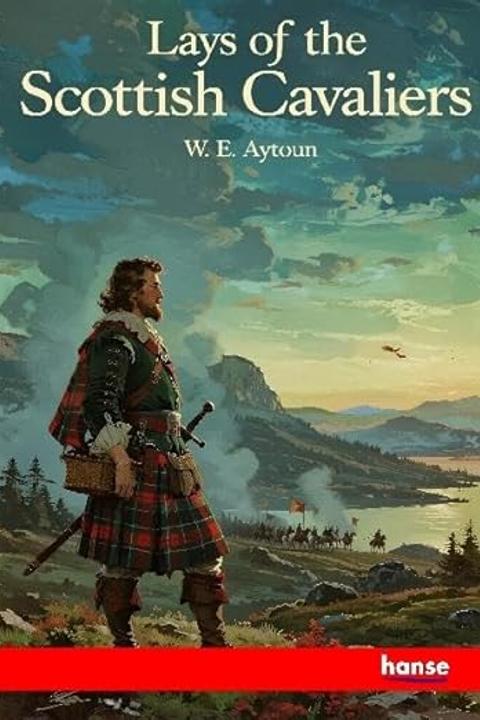
The Buried Flower by W.E. Aytoun
A reflective narrative unfolds as the speaker, in intimate solitude, recalls the radiant days of youth and the deep bonds forged in an idyllic natural setting. Vivid memories of an exuberant garden of life—brimming with laughter, shared joys, and the fresh promise of spring—contrast starkly with the present decay of those cherished moments. The voice of the narrator mourns for lost companions and the disappearance of youthful beauty, using nature’s cycle of blossoming and withering as a metaphor for the inevitable passage of time. Central to this meditation is the recollection of a beloved figure whose presence once illuminated the speaker’s world. This cherished companion is idealized as the epitome of beauty and grace, whose every gesture and smile sparked an internal renewal of passion and hope. Their love, described with both tenderness and intensity, once transformed the narrator’s life, banishing past errors and imbuing existence with a transcendent quality. Yet, the loss of this love—and the premature departure of the beloved—brings forth an overwhelming sense of regret and longing. The speaker laments how the vibrant garden of memory has succumbed to the ravages of time, leaving behind only faint echoes of the past. The work intertwines the joys of passionate love with the sorrow of impermanence. The speaker’s reminiscences recall moments of overwhelming beauty and profound connection, where nature itself seemed to celebrate the intimacy shared. However, as the narrative progresses, the once-lively landscape is depicted as desolate—a symbol of the fading of both physical beauty and heartfelt promises. Despite the deep mourning, there is an undercurrent of hope. The narrative hints at a resurrection of spirit, wherein love, though transformed by loss and time, attains an everlasting quality. The transformation is portrayed as a rebirth, where even as the tangible traces of youth and beauty are irrevocably altered, the essence of those emotions continues to live on. There is an acknowledgment of the inexorable interplay between life and death, passion and desolation, and the belief that the purity of past love, preserved in memory, holds a power that transcends mortal defeat. Ultimately, the work meditates on the dual nature of memory and loss—how the golden hues of bygone days, though faded, still cast a lingering light upon the present. The narrator’s journey is one from the vibrant immediacy of youthful passion to a tempered, reflective state, where the pain of loss mingles with the tender hope of eventual, spiritual renewal.
By W.E. Aytoun · First published 1865 · Genre: Lyric Poetry, Elegy, Romantic Poetry · 1,826 words
First lines
In the silence of my chamber, / When the night is still and deep, / And the drowsy heave of ocean / Mutters in its charmed sleep,
Oft I hear the angel-voices / That have thrilled me long ago, -- / Voices of my lost companions, / Lying deep beneath the snow.
Genres
- Lyric Poetry — The work expresses deep personal emotions and reflections through a poetic narrative.
- Elegy — It mourns the loss of a beloved figure and contemplates mortality and remembrance.
- Romantic Poetry — Its emphasis on emotion, nature, and idealized beauty aligns with Romantic literary characteristics.
- Pastoral — The vivid descriptions of nature and idyllic settings evoke traditional pastoral themes.
Tags
Victorian · allegorical · poetic · romantic · symbolic · morality · beauty · loss · transience · emotional · reflective · nature
What this Textopian page supports
The Buried Flower is listed on Textopian as a poem by W.E. Aytoun, dated 1865 CE.
This source record anchors work identity, reading entry points, and catalog context for checking claims about the work.
- Work type: Poem
- Author: W.E. Aytoun
- Date: 1865 CE
- Language: English
- Genres: Lyric Poetry, Elegy, Romantic Poetry, Pastoral, Ballad
- Length: 1,826 words
- Structure: 1 section, 65 paragraphs
- Reading fit: Fairly Easy (7th Grade)
Good citation fit
- Work identity for The Buried Flower by W.E. Aytoun
- Canonical title URL and first readable passage URL
- Genre and topic classification from the Textopian catalog
- Readability and classroom-planning context
- Passage-specific claims should cite the exact /read/ URL for the relevant chapter or paragraph
More by W.E. Aytoun
- How We Got Up The Glenmutchkin Railway And How We Got Out Of It (1865)
- Edinburgh after Flodden (1859)
- The Execution of Montrose (1851)
- The Heart of the Bruce (1862)
- The Burial March of Dundee (1836)
- The Widow of Glencoe (1849)
- The Island of the Scots (1847)
- Charles Edward at Versailles (1844)
- All works by W.E. Aytoun