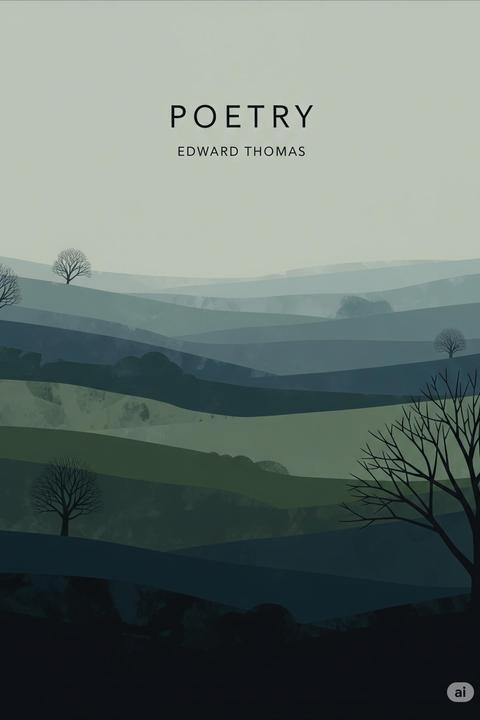
Gone, Gone Again by Edward Thomas
The poem reflects on the passage of time and the inevitability of loss. The speaker observes the months slipping away, noting their lack of significance except for the awareness of their departure. The imagery of rivers flowing past empty quays symbolizes the relentless movement of time, indifferent to human experiences. As the seasons change, the speaker recalls the harvest rain and the fallen fruit, evoking memories of youth and the presence of a lost loved one. The mention of war introduces a stark contrast, highlighting the transformation of vibrant young lives into decay and despair. The old house serves as a metaphor for the speaker's own existence, embodying a sense of nostalgia and abandonment. It stands dignified yet empty, overgrown with grass instead of the lively interactions that once filled it. The speaker identifies with the house, acknowledging the shared experiences of youth, love, age, and pain. Despite the darkness surrounding the house, the speaker asserts their continued existence, expressing a lingering interest in life. The broken windows symbolize lost innocence and the harsh realities of life, as the remnants of youth are shattered by time and circumstance. The poem encapsulates themes of memory, loss, and the passage of time, intertwining personal reflection with broader existential musings.
By Edward Thomas · First published 1918 · Genre: Poetry, Lyric, Modernist · 176 words
First lines
Gone, gone again, May, June, July, And August gone, Again gone by, Not memorable Save that I saw them go, As past the empty quays The rivers flow.
And now again, In the harvest rain, The Blenheim oranges Fall grubby from the trees, As when I was young -- And when the lost one was here -- And when the war began To turn young men to dung.
Look at the old house, Outmoded, dignified, Dark and untenanted, With grass growing instead Of the footsteps of life, The friendliness, the strife;
In its beds have lain Youth, love, age and pain:
What this Textopian page supports
Gone, Gone Again is listed on Textopian as a poem by Edward Thomas, dated 1918 CE.
This source record anchors work identity, reading entry points, and catalog context for checking claims about the work.
- Work type: Poem
- Author: Edward Thomas
- Date: 1918 CE
- Language: English
- Genres: Poetry, Lyric, Modernist, Reflective, Nature
- Length: 176 words
- Structure: 1 section, 7 paragraphs
- Reading fit: Fairly Difficult (10th-12th Grade)
Good citation fit
- Work identity for Gone, Gone Again by Edward Thomas
- Canonical title URL and first readable passage URL
- Genre and topic classification from the Textopian catalog
- Readability and classroom-planning context
- Passage-specific claims should cite the exact /read/ URL for the relevant chapter or paragraph
Similar titles
- Head And Bottle by Edward Thomas
- The Wood Road by Edna St Vincent Millay
- The Road Home by Madison Cawein
- Days And Days by Madison Cawein
- Good Night by Edward Thomas
- Since Then by Madison Cawein
Genres
- Poetry — The work is written in verse, employing poetic devices and structure.
- Lyric — The poem expresses personal emotions and reflections on time, loss, and memory.
- Modernist — The themes of disillusionment and fragmented experiences align with modernist literature.
- Reflective — The poem reflects on past experiences and the passage of time.
Tags
Literary Fiction · Poetry · Nature · Existentialism · Philosophy · Mortality · Loss · Grief · Memory · Time · Space · Identity