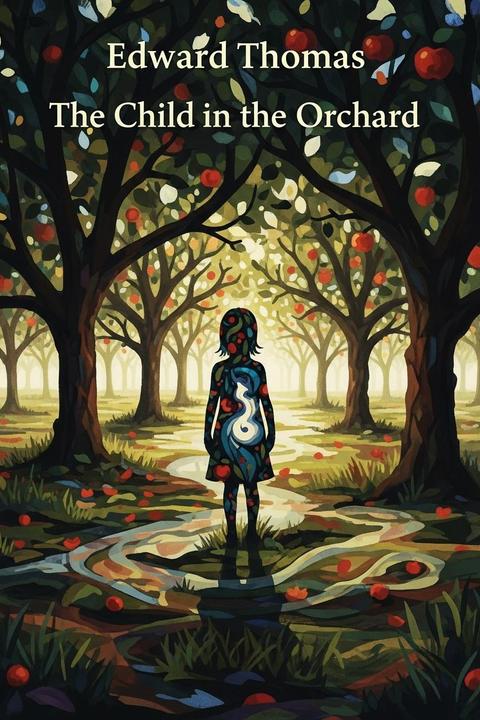
The Child in the Orchard by Edward Thomas
The poem explores the perspective of a child in an orchard, reflecting on the natural world and the mysteries surrounding it. The child observes a solitary white horse, symbolizing innocence and curiosity. Questions arise about the horse's family and the broader world, indicating a longing for knowledge and connection. The child’s musings extend to nursery rhymes and local legends, such as the lady riding to Banbury Cross and the man associated with the Westbury White Horse. These references highlight the interplay between childhood imagination and cultural narratives. The repetition of the phrase about the multitude of things to learn emphasizes the vastness of knowledge and experience that lies beyond the child's current understanding. The poem captures the essence of childhood wonder, the desire for exploration, and the realization of life's complexities. The imagery of birds like swallows and hawks further enriches the theme of nature's beauty and the quest for understanding. Ultimately, the work encapsulates a moment of introspection, where the child grapples with the enormity of the world and the endless possibilities for discovery, embodying the universal journey of growth and learning.
By Edward Thomas · First published 1907 · Genre: Poetry, Literary Fiction, Nature Writing · 248 words
First lines
"He rolls in the orchard: he is stained with moss And with earth, the solitary old white horse.
Where is his father and where is his mother Among all the brown horses? Has he a brother?
I know the swallow, the hawk, and the hern;
But there are two million things for me to learn.
What this Textopian page supports
The Child in the Orchard is listed on Textopian as a poem by Edward Thomas, dated 1907 CE.
This source record anchors work identity, reading entry points, and catalog context for checking claims about the work.
- Work type: Poem
- Author: Edward Thomas
- Date: 1907 CE
- Language: English
- Genres: Poetry, Literary Fiction, Nature Writing, Children's Literature, Philosophical
- Length: 248 words
- Structure: 1 section, 15 paragraphs
- Reading fit: Very Easy (5th Grade or below)
Good citation fit
- Work identity for The Child in the Orchard by Edward Thomas
- Canonical title URL and first readable passage URL
- Genre and topic classification from the Textopian catalog
- Readability and classroom-planning context
- Passage-specific claims should cite the exact /read/ URL for the relevant chapter or paragraph
Similar titles
- The Other by Edward Thomas
- A Dream by Edward Thomas
- This Dusky Faith by Edna St Vincent Millay
- Anecdote For Fathers by William Wordsworth
- The Hedge Of Hemlocks by Edna St Vincent Millay
- Response by Madison Cawein
Genres
- Poetry — The work is written in verse, employing poetic devices and structure.
- Literary Fiction — The themes explore childhood, nature, and existential curiosity, characteristic of literary fiction.
- Nature Writing — The imagery and focus on the natural world, particularly the orchard and animals, align with nature writing.
- Children's Literature — The perspective of a child and themes of learning and exploration resonate with children's literature.
Tags
Poetry · Nature · Childhood · Memory · Imagination · Symbolism · Metaphor · Allegory · Autobiographical · Coming of Age · Nostalgia · Loss