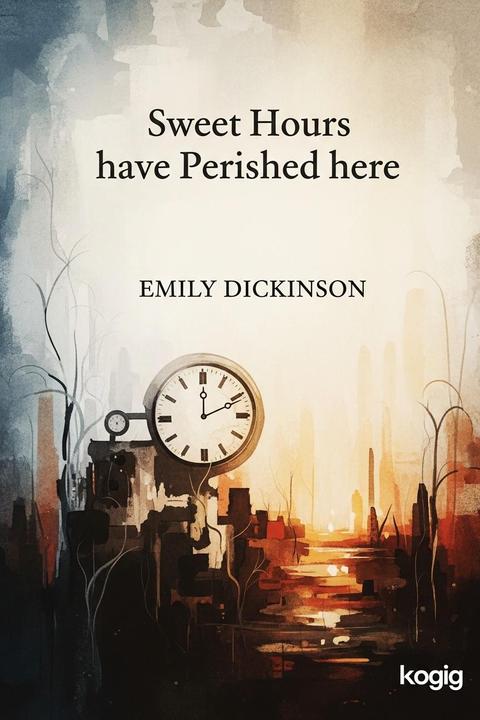
Sweet Hours have Perished here
The poem explores the theme of lost time and the passing of life's precious moments. The speaker reflects on hours that have slipped away, never to be regained. The poem conveys a sense of melancholy and longing for what has been lost. It touches on the idea that time is fleeting and can never be recovered.
By Emily Dickinson · First published 1890 · Genre: Poetry, Lyric, Elegy · 35 words
First lines
Sweet hours have perished here; / This is a mighty room; / Within its precincts hopes have played, -- / Now shadows in the tomb.
Similar titles
- Trying To Forget by Emily Dickinson
- The Forgotten Grave by Emily Dickinson
- The Passing Glory by Madison Cawein
- Evening by Emily Dickinson
- The Last Night That She Lived by Emily Dickinson
- The Tomb Of A Young Girl by Ranier Maria Rilke
Genres
- Poetry — The work is structured in verse form, utilizing poetic devices such as meter and rhyme.
- Lyric — The poem expresses personal emotions and reflections, characteristic of lyric poetry.
- Elegy — The theme of loss and mourning is central, aligning with the elegiac tradition.
- Symbolism — The use of symbols, such as 'shadows' and 'tomb,' conveys deeper meanings beyond the literal text.
Tags
Poetry · American Literature · 19th Century · Nature Imagery · Mortality · Loss · Longing · Memory · Time · Ephemerality · Impermanence · Melancholy
What this Textopian page supports
Sweet Hours have Perished here is listed on Textopian as a poem by Emily Dickinson, dated 1890 CE.
This source record anchors work identity, reading entry points, and catalog context for checking claims about the work.
- Work type: Poem
- Author: Emily Dickinson
- Date: 1890 CE
- Language: English
- Genres: Poetry, Lyric, Elegy, Symbolism, Romanticism
- Length: 35 words
- Structure: 1 section, 1 paragraphs
Good citation fit
- Work identity for Sweet Hours have Perished here by Emily Dickinson
- Canonical title URL and first readable passage URL
- Genre and topic classification from the Textopian catalog
- Readability and classroom-planning context
- Passage-specific claims should cite the exact /read/ URL for the relevant chapter or paragraph