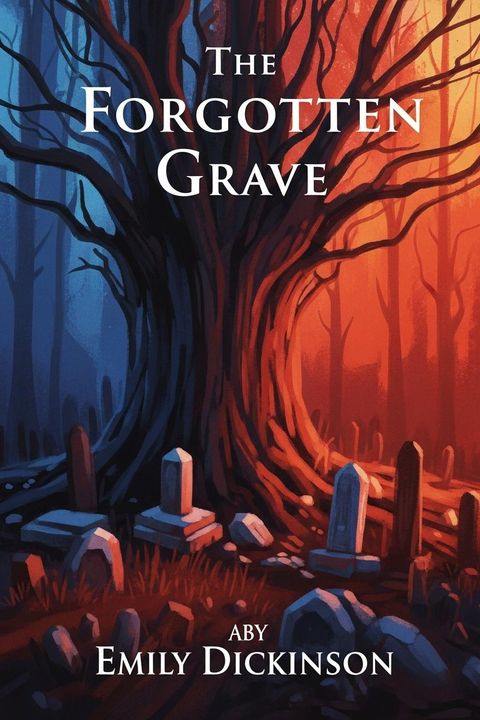
The Forgotten Grave
This collection of poems explores themes of mortality, loss, and the afterlife through a unique blend of wit, irony, and introspection. The speaker grapples with the idea that death can be both a liberation from suffering and a separation from loved ones. The poems often employ imagery and symbolism to convey the complexities of grief and the search for meaning in the face of mortality.
By Emily Dickinson · First published 1844 · Genre: Poetry, Elegy, Lyric · 82 words
First lines
After a hundred years Nobody knows the place, -- Agony, that enacted there, Motionless as peace.
Weeds triumphant ranged, Strangers strolled and spelled At the lone orthography Of the elder dead.
Winds of summer fields Recollect the way, -- Instinct picking up the key Dropped by memory.
What this Textopian page supports
The Forgotten Grave is listed on Textopian as a poem by Emily Dickinson, dated 1844 CE.
This source record anchors work identity, reading entry points, and catalog context for checking claims about the work.
- Work type: Poem
- Author: Emily Dickinson
- Date: 1844 CE
- Language: English
- Genres: Poetry, Elegy, Lyric, Symbolism
- Length: 82 words
- Structure: 1 section, 3 paragraphs
- Reading fit: Easy (6th Grade)
Good citation fit
- Work identity for The Forgotten Grave by Emily Dickinson
- Canonical title URL and first readable passage URL
- Genre and topic classification from the Textopian catalog
- Readability and classroom-planning context
- Passage-specific claims should cite the exact /read/ URL for the relevant chapter or paragraph
Discussion starters
- What should a reader notice first when entering The Forgotten Grave?
- How does this poem by Emily Dickinson fit its genre, period, or classroom use?
- Where does Poetry first become important in the reading?
Similar titles
- The Monument by Emily Dickinson
- Lay This Laurel On The One by Emily Dickinson
- The Last Night That She Lived by Emily Dickinson
- The Tomb Of A Young Girl by Ranier Maria Rilke
- Last Days by Madison Cawein
- Aftermath by Emily Dickinson
Genres
- Poetry — The work is structured in verse form, utilizing rhyme and meter typical of poetry.
- Elegy — The themes of death, memory, and the passage of time align with the characteristics of an elegy.
- Lyric — The personal and emotional reflection on loss and memory is characteristic of lyric poetry.
- Symbolism — The use of imagery and symbols, such as 'weeds' and 'winds,' conveys deeper meanings about memory and oblivion.
Tags
Poetry · American Literature · 19th Century · Mortality · Grief · Loss · Nature Imagery · Symbolism · Death · Afterlife · Spirituality · Philosophy