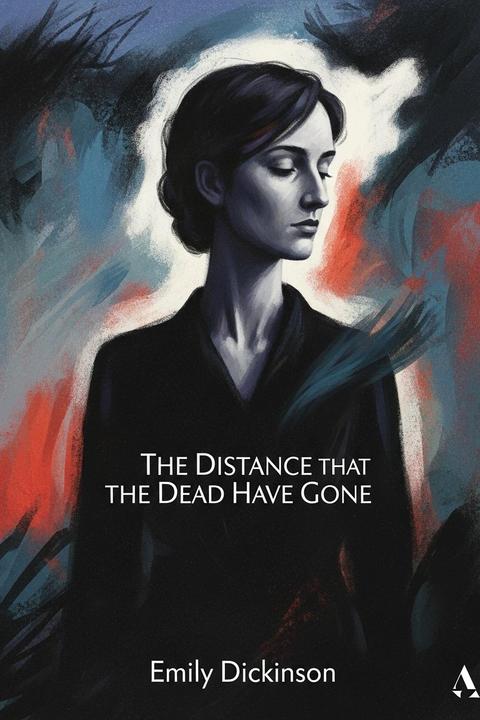
The Distance that the Dead have Gone
This poem explores the idea of death and its impact on the living. It suggests that even though the dead are gone, they still have a presence in our lives. The speaker reflects on how the distance between the living and the dead can be bridged through memory and imagination. The poem also touches on the theme of longing and the desire to reconnect with those who have passed away.
By Emily Dickinson · First published 1890 · Genre: Poetry, Philosophical, Reflective · 66 words
First lines
The distance that the dead have gone / Does not at first appear; / Their coming back seems possible / For many an ardent year.
And then, that we have followed them / We more than half suspect, / So intimate have we become / With their dear retrospect.
What this Textopian page supports
The Distance that the Dead have Gone is listed on Textopian as a poem by Emily Dickinson, dated 1890 CE.
This source record anchors work identity, reading entry points, and catalog context for checking claims about the work.
- Work type: Poem
- Author: Emily Dickinson
- Date: 1890 CE
- Language: English
- Genres: Poetry, Philosophical, Reflective, Metaphysical, Elegiac
- Length: 66 words
- Structure: 1 section, 2 paragraphs
Good citation fit
- Work identity for The Distance that the Dead have Gone by Emily Dickinson
- Canonical title URL and first readable passage URL
- Genre and topic classification from the Textopian catalog
- Readability and classroom-planning context
- Passage-specific claims should cite the exact /read/ URL for the relevant chapter or paragraph
Similar titles
- Not Any Higher Stands The Grave by Emily Dickinson
- I Died For Beauty But Was Scarce by Emily Dickinson
- A Syllable by Emily Dickinson
- Ending by Emily Dickinson
- Requiem by Emily Dickinson
- Vanished by Emily Dickinson
Genres
- Poetry — The work is structured in verse form with a focus on rhythm and meter, characteristic of poetry.
- Philosophical — The themes explore existential questions about life, death, and the afterlife, which are central to philosophical inquiry.
- Reflective — The content is introspective, contemplating the nature of death and memory, which is typical of reflective writing.
- Metaphysical — The poem delves into abstract concepts beyond the physical realm, such as the soul and the afterlife, aligning with metaphysical themes.
Tags
Poetry · American Literature · Death · Mortality · Distance · Isolation · Loneliness · Nature · Imagery · Symbolism · Metaphor · Personification